Key takeaways
- Best quiet PC case shortlist: be quiet!, Fractal, Phanteks, Antec and Cooler Master towers compared by insulation, fans and airflow, plus two non-cases.
Start with a sealed, insulated chassis, because a quiet PC case works by blocking sound with thick panels and then keeping enough airflow so the fans do not need to spin hard. The trade-off is built into every item below: more insulation means less open mesh. This guide covers twelve listings, of which ten are real cases and two are not. One is a keyboard foam sheet and one is a pack of fan shock-absorbing pads, both of which can quiet a build but cannot replace a case. Features come from titles only, and where a title is silent we say check the listing. Nobody on the team has built in these cases, so this is a specification-based shortlist.
Twelve listings in one table
As an Amazon Associate we earn from qualifying purchases at no extra cost to you.
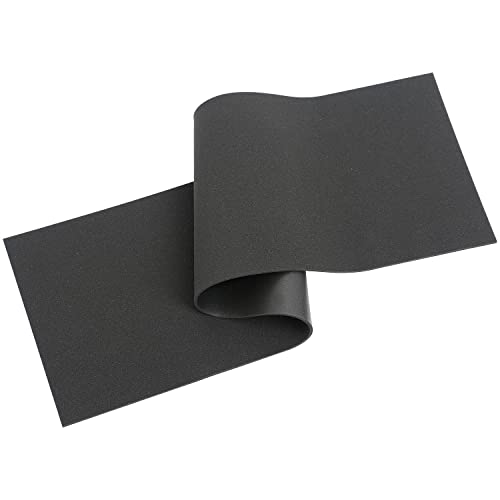


| Model | Key point from title | Price tier | Best for |
|---|---|---|---|
| HONKID Keyboard Foam, Poron Foam Sound Dampening | Keyboard dampening foam, 2mm – not a PC case | Budget | Quieting a mechanical keyboard only |
| be quiet! Silent Base 802 Black Window | ATX midi tower, window panel, three fans, fan controller, thick insulation | Premium | Quiet builds that still want a view |
| be quiet! Silent Base 802 Black (no window) | ATX midi tower, three fans, USB 3.2 Gen 2 Type-C, up to 420mm water cooling, insulation mats | Premium | Maximum noise control |
| Antec Flux SE Silent Mid Tower E-ATX | E-ATX mid tower, five PWM fans, sound-dampening side panels, 420mm radiator | Mid-range | Quiet with strong airflow |
| be quiet! Pure Base 600 Black | ATX midi tower, two fans, repositionable HDD slots, up to 360mm water cooling | Budget | Office or light gaming at low volume |
| be quiet! Pure Base 501 Black | ATX midi tower, two 140mm PWM fans, optimised air pressure, vertical GPU option | Budget | Compact quiet builds |
| Cooler Master Silencio S400 Micro-ATX | Micro-ATX, sound-dampening material, reversible front panel, SD reader, 120mm PWM fans | Budget | Small quiet builds |
| be quiet! Pure Base 501 Airflow Black | ATX midi tower, two 140mm PWM fans, airflow front | Budget | Quiet-leaning with more intake |
| 5pcs MM Silicone Fan Shock Absorption Pad for PC Case | Fan vibration pads – an accessory, not a case | Budget | Reducing fan vibration in an existing case |
| Phanteks XT Pro Silent | Mid-tower, three M25-120 fans, closed panels, USB-C 3.2 Gen 2 | Mid-range | Closed-panel silence |
| Fractal Design Define 7 XL Black Solid | E-ATX silent modular full tower, solid brushed aluminum and steel panels | Premium | Large silent builds |
| Antec P10 FLUX | Mid-tower, five 120mm fans, reversible swing-open front, sound-dampening side panels | Mid-range | Quiet builds with fan control |
Notes on each listing
HONKID Keyboard Foam, Poron Foam Sound Dampening
OFF-TYPE: this is a sheet of Poron foam for mechanical keyboards, according to the title. It will not do anything for a PC case. We include it only because it showed up for this keyword. Do not buy it expecting a quieter tower.
Pros
- Cheap way to soften keyboard typing sound
- Title clearly names its purpose
Cons
- Not a PC case or case insulation
- Wrong product type for this search
Who it’s for: Keyboard modders only.
be quiet! Silent Base 802 Black Window
The title lists an ATX midi tower with a window, three fans installed, an I/O panel, a fan controller, support for up to 420mm water cooling and extra thick insulation mats. The window version admits a little more sound than a solid panel in principle, so see the non-window listing too.
Pros
- Thick insulation mats and a fan controller
- Radiator room up to 420mm
Cons
- Window panel is less sound-blocking than solid
- Near-duplicate of the non-window listing
Who it’s for: Quiet-seekers who want a window.
be quiet! Silent Base 802 Black (no window)
Same family as the window model, in a solid-panel version with USB 3.2 Gen 2 Type-C. A closed panel is the more sensible choice for noise. It shares the fan controller and thick insulation in the title.
Pros
- Solid panels fit a noise-first brief
- Type-C front port and fan controller
Cons
- No window to show the build
- Near-duplicate of the window listing
Who it’s for: Buyers who rank silence over looks.
Antec Flux SE Silent Mid Tower E-ATX
Five PWM fans come in the box, with sound-dampening side panels, a walnut wood front and 420mm radiator support. The airflow-friendly front means it does not aim for total sealing, which suits warm components.
Pros
- Five PWM fans included
- Sound-dampening side panels
Cons
- Airflow front lets more sound out than a sealed case
- Wood front may not suit every build
Who it’s for: Hot-component builds that want some noise control.
be quiet! Pure Base 600 Black
The title lists two pre-installed fans, repositionable HDD slots, a removable optical drive cage and radiator support to 360mm. It also mentions an adjustable top cover. The title does not mention insulation, so noise control is likely lighter than the Silent Base.
Pros
- Flexible drive layout
- 360mm radiator support
Cons
- Insulation is not mentioned in the title
- Only two fans included
Who it’s for: Value buyers who want a quiet-leaning brand at a lower tier.
be quiet! Pure Base 501 Black
Two pre-installed 140mm PWM fans, a design for optimised air pressure, vertical GPU installation and USB 3.2 Gen 2 Type-C. The 501 is listed in Black and Airflow versions, so check which front panel you are buying.
Pros
- Two 140mm PWM fans
- Vertical GPU option and Type-C
Cons
- Insulation not mentioned in the title
- Similar to the Airflow listing, so check which version
Who it’s for: Mid-range builders who want balanced noise and airflow.
Cooler Master Silencio S400 Micro-ATX
A micro-ATX tower with sound-dampening material, a reversible front panel, an SD card reader, Silencio FP 120mm PWM fans and water-cooling support. It only fits micro-ATX or smaller boards, so full ATX owners should look elsewhere.
Pros
- Sound-dampening material and PWM fans
- Reversible front panel
Cons
- Micro-ATX only per the title
- Small interior limits long parts
Who it’s for: Compact quiet builds on a micro-ATX board.
be quiet! Pure Base 501 Airflow Black
Same 501 family with an airflow front panel. Specs in the title match the Black version: two 140mm PWM fans, vertical GPU installation and Type-C. Pick this one if you worry about heat, and the plain Black if you rank sound.
Pros
- Airflow front for cooler parts
- Two 140mm PWM fans
Cons
- Airflow front lets more sound out
- Near-duplicate of the Black 501
Who it’s for: Warmer components that need more intake.
5pcs MM Silicone Fan Shock Absorption Pad for PC Case
OFF-TYPE: this is a pack of silicone pads for fan mounts, not a case. They can cut vibration noise, and may pair well with a quiet case, but they are an accessory. Check size and fit in the listing.
Pros
- Low-cost way to reduce vibration
- Works with any case
Cons
- Not a case
- Title gives little detail on fit
Who it’s for: Existing-case owners fighting fan rattle.
Phanteks XT Pro Silent
A mid-tower with three M25-120 fans, closed panels and a USB-C 3.2 Gen 2 port. The closed panels fit a quiet brief, and three fans give a baseline airflow. The title doesn’t mention insulation material or radiator support, so check those.
Pros
- Closed panels suit noise control
- Three fans installed
Cons
- Insulation and radiator details are not in the title
- Closed design needs good fan setup
Who it’s for: Buyers who want a sealed look and quiet operation.
Fractal Design Define 7 XL Black Solid
A full-tower Define 7 XL with solid panels, brushed aluminium and steel, and a modular design. The title doesn’t give fans or radiator support, so those details live in the listing. It is the biggest case here.
Pros
- Solid panels and a modular layout
- E-ATX support
Cons
- Very large
- Title omits fan count and radiator limits
Who it’s for: Large builds that must stay quiet.
Antec P10 FLUX
Five 120mm fans, a reversible swing-open front panel, an air-concentrating filter, fan-speed control and sound-dampening side panels. The title lists a 5.25-inch ODD bay as well. It is a fan-rich quiet case.
Pros
- Five fans and fan-speed control
- Sound-dampening side panels
Cons
- Older features such as an ODD bay may be unneeded
- Details of panel thickness are not in the title
Who it’s for: Builders who want many fans with noise control.
How we built this shortlist
We worked from product titles, published specifications, manufacturer documentation and buyer reviews, authored by the editorial team. Nobody on the team used or measured these units, so no decibel claims appear. We sorted listings by what titles reveal: insulation, panel type, fan count and cooling support. Two listings are not cases at all, and four are near-duplicate variants of be quiet! models; we mark both groups. When titles are thin, read the listing page.
Quiet versus cool: how to balance them
Insulation versus airflow
Thick panels block sound but also trap heat if intake is poor. A case with solid panels needs enough fans and clear front intake. That is why titles like the Antec Flux SE list five fans.
Pre-purchase quiet checklist
Ask six questions before buying. Are the side panels solid or glass? Are insulation mats named? How many fans, and are they PWM? Is there a fan controller or header support? What is the filter and front design? Does the board size match? A case that scores well on four or more of these is a better quiet candidate than one that lists none.
Fan count and curve
More fans at lower speed can be quieter than fewer at high speed. Pair the case with a gentle curve in BIOS. See also our budget PC case comparison if cost matters.
Mesh versus solid
Mesh helps cooling, solid helps silence. Cases such as the Pure Base 501 come in both flavours, so read the exact listing name.
Components matter too
A quiet case cannot hide a loud GPU or coil whine. Choose quiet fans, a good cooler and a power supply with semi-passive mode, and consider anti-vibration pads for fan screws or drive mounts.
Mistakes that undo a quiet case
Buying accessories instead of a case. Foam or pads can help, but they will not replace insulation.
Choosing sealed without enough fans. Hot parts raise fan speed and noise, which defeats the insulation. Count intake and exhaust fans before ordering.
Mixing up near-duplicates. The 501 and 802 exist in more than one version. Read the title.
Ignoring board size. The Silencio S400 is micro-ATX only, per its title, while the Define 7 XL is a full tower that may be larger than your desk allows.
Skipping the curve. A default curve ramps too early, so spend ten minutes in BIOS to flatten it.
Expecting silence from a loud part. A case cannot hide a rattling graphics card fan or a buzzing power supply. Fix the source first, and then choose the case that keeps the rest calm.
Quick verdict
For maximum noise control, the be quiet! Silent Base 802 without a window is the clearest fit. For a more balanced quiet case, the Antec Flux SE and Antec P10 FLUX give more fans and sound-dampening panels. For a lower tier, the Pure Base 600 and Pure Base 501 are sensible. The Cooler Master Silencio S400 suits micro-ATX builds. Ignore the keyboard foam for case shopping, and treat the fan pads as an add-on.
Quiet case FAQs
Does a quiet PC case cool as well as a mesh case?
Usually not at the same fan speed. Solid insulated panels hold heat and sound in, while mesh lets both out. A quiet case needs good fans, clear intake and a gentle curve to keep temperatures in range, so check fan count and airflow design in the listing, as well as whether the front panel is solid or perforated.
Is a window panel louder than a solid panel?
In principle a window admits more sound than a solid insulated panel, though the effect depends on the design. The Silent Base 802 comes in both versions. If noise is your top priority, the solid version is the logical choice, and a window only makes sense when you value the view.
Do fan pads make a PC quieter?
They can reduce vibration that travels through the case, which may remove rattles or hum. They do not block airborne fan noise. The silicone pad listing here is an accessory, not a case, so check size and fit before you buy, and make sure the pads suit the screw spacing of your fans.
Will foam in a PC case help?
Case-specific insulation can help, but the keyboard foam listed here is made for keyboards, per its title. It is not designed for PC cases, and loose foam near fans can restrict airflow and trap heat. Use purpose-built case insulation instead, or choose a case that already includes it.
What fan count do I need in a quiet case?
There is no fixed number, but two or three quiet fans handle many builds, and five fans at low speed may be quieter than two at high speed. Match fan count to heat, and use a controller or BIOS curve to keep speeds low even when games push the GPU harder.
Related guides
- Gaming Headsets For Competitive Fps Directional Audio
- Threadripper Vs Xeon Vs Core I9 For Workstations
- Compact Mini Itx Gaming Pcs For Small Desks