Our Short List of 3
All 4 Picks at a Glance
| Product | Specs | Action |
|---|---|---|
 Yamaha PSR-E383 | Check price on Amazon | |
 Casio CT-X700 | Check price on Amazon | |
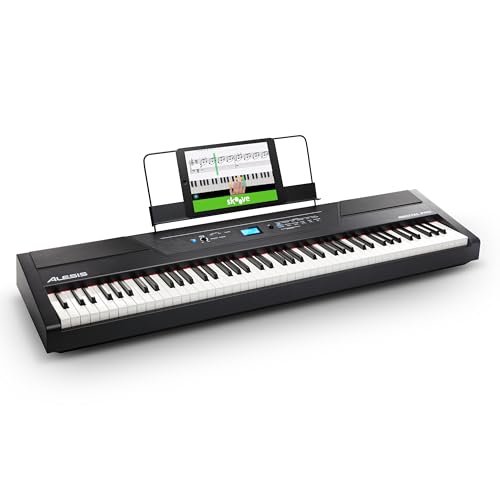 Alesis Recital Pro | Check price on Amazon | |
 Donner DEP-20 | Check price on Amazon |
Key takeaways
- Compare the best digital keyboards under 500, from 61-key portable arrangers to 88-key weighted pianos, and find the right keys for learning or playing.
The best digital keyboards under 500 cover a wide range of players, from a complete beginner learning first songs to a returning pianist who wants weighted keys and a proper piano sound at home. This guide is about musical digital keyboards: instruments with piano-style keys, built-in sounds, and speakers, not computer keyboards. Every pick below is a full instrument you can sit down and play, with its own voices, rhythms, and learning tools built in.
Shopping in this band means choosing between two very different kinds of instrument. Portable 61-key arrangers are light, packed with hundreds of sounds and backing rhythms, and easy to carry to lessons or a friend’s house. Full-size 88-key weighted pianos feel much closer to an acoustic piano, with hammer-action keys that build finger strength and a furniture-style presence in a living room. Neither type is better in the abstract; the right one depends on whether you value portability and variety or realistic piano feel.
Below you will find how to judge a digital keyboard before you buy, five instruments that stand out in this band, a side-by-side comparison, and answers to the questions buyers ask most. Every pick links to its Amazon listing so you can confirm the exact model, the current availability, and the full specification sheet before you buy.
How to Choose
1. Key count and key action
Key count shapes what you can play. A 61-key keyboard covers most beginner pieces, pop songs, and practice routines, and it stays light enough to carry. An 88-key keyboard covers the full piano range, which matters as soon as you play classical pieces or two-handed arrangements that use the lowest and highest octaves. Key action matters just as much: touch-sensitive keys respond to how hard you play, weighted and hammer-action keys add the resistance of a real piano, and unweighted keys feel light and fast but teach less about dynamics. If you plan to learn piano properly, weighted 88-key action is worth the extra size and weight.
2. Sound quality and polyphony
Sound quality decides whether you enjoy sitting down to play every day. Listen for a piano voice that sounds warm and natural rather than thin or metallic, because that is the voice you will hear most. Polyphony is the number of notes the instrument can sound at once; a higher count, such as 48 notes or 128 notes, keeps sustained chords and layered sounds from cutting off early. Extra voices, such as electric piano, organ, strings, and synth sounds, add variety, but a strong core piano sound matters more than a long list of novelty voices.
3. Built-in speakers and headphone practice
Built-in speakers let you play without any extra equipment, and their size and wattage shape how full the sound feels in a room. Two speakers of decent size will fill a living room for practice, while small speakers can sound thin at volume. A headphone socket is just as important: it lets you practice late at night or in a shared home without disturbing anyone, and it makes the instrument usable in an apartment. Check that the headphone socket is a standard size you already own a cable for.
4. Learning tools and lesson modes
Many digital keyboards include lesson functions that split the keyboard so a teacher and student can play the same part together, built-in songs to practice along with, and metronomes to build timing. These tools matter most for beginners and for parents buying a first instrument for a child. A keyboard with a clear display, simple controls, and a song bank you can play along with will get used far more than one that hides its lessons behind confusing menus.
5. Rhythms, accompaniment, and connectivity
Arranger keyboards add backing rhythms and auto-accompaniment, so a single player can sound like a small band. If you like playing pop, rock, or Latin styles, a wide rhythm library and a good accompaniment engine add real fun. Connectivity matters for the future: a USB port lets you connect to lesson apps and recording software on a computer or tablet, and MIDI support lets the keyboard control virtual instruments. Even if you do not need these features today, they keep the instrument useful as your skills grow.
6. Size, weight, and where it will live
A 61-key portable keyboard weighs only a few kilograms and fits on a table, a desk, or a folding stand, while an 88-key weighted piano is a piece of furniture that needs a dedicated spot and a sturdy stand. Measure your space before you buy, and think honestly about whether the keyboard will move. A portable keyboard that travels to lessons is a different purchase from a console piano that stays in one room, and the stand, bench, and pedal that come with it matter as much as the keyboard itself.
7. What comes in the box
Check exactly what is included, because bundles vary widely. Some listings include only the keyboard, with the power adapter sold separately, while others include a stand, sustain pedal, bench, and headphones. A sustain pedal is essential for piano playing, so confirm whether one is included or whether you need to add it. When comparing two keyboards, compare the complete setup you will actually play, not just the keyboard alone.
Top Picks
Yamaha PSR-E383
View the Yamaha PSR-E383 on Amazon
The Yamaha PSR-E383 is the current 61-key portable arranger from Yamaha, and it is the natural starting point for a beginner. It has touch-sensitive keys, 650 authentic instrument voices, and 48-note polyphony, with a lesson function and a built-in song bank for practice. A power adapter is included in the box, so it is ready to play as soon as it arrives, and the control panel is laid out clearly enough for a first-time player to find sounds and rhythms without a manual.
The PSR-E383 suits beginners, hobbyists, and parents buying a first keyboard for a child. Its 650 voices cover piano, electric piano, organ, strings, brass, and synth sounds, and the accompaniment styles let a single player build full arrangements. It is light enough to carry to lessons, and it runs on batteries as well as mains power for playing away from a socket. The main caveat is the key action: the keys are touch-sensitive but not weighted, so it teaches notes and timing well but does not build the finger strength a weighted piano does. It is also a 61-key instrument, so advanced pieces that need the full piano range will eventually outgrow it. For a first keyboard, though, it is a well-judged package.
Casio CT-S300
View the Casio CT-S300 on Amazon
The Casio CT-S300 is one of the most portable keyboards in this guide, and that portability is its defining feature. It is a slim 61-key Casiotone with touch-responsive keys, 400 tones, 77 rhythms, and a pitch bend wheel for expressive playing, in a body that weighs about 3.3 kilograms and measures roughly 930 by 256 by 73 millimetres. A built-in carry handle and long battery life make it genuinely easy to take anywhere, from a lesson to a park bench.
The CT-S300 suits players who value portability above all: students carrying a keyboard to lessons, songwriters sketching ideas away from home, and anyone short on space. The pitch bend wheel is a real creative tool for guitar and synth sounds, and the touch response gives dynamics to piano playing. The caveats are the compact speakers, which sound thinner than the larger keyboards here, and the 61-key unweighted action, which is a learning compromise rather than a piano replacement. If your keyboard needs to travel, the CT-S300 is the easiest one here to pick up and go.
Casio CT-X700
View the Casio CT-X700 on Amazon
The Casio CT-X700 steps up the sound quality with Casio’s AiX sound engine, which gives it 600 tones and 195 rhythms in a 61-key portable body. The AiX engine produces richer, more detailed instrument sounds than the entry-level Casiotone range, with stronger piano, electric piano, and organ voices, plus a backlit LCD display, arpeggiator, and recording capability for capturing ideas. The keys are touch-sensitive, and the keyboard includes a smartphone shelf for using lesson apps alongside it.
The CT-X700 suits players who have moved past the very first stage and want better sound without moving to a full-size piano. It is a strong choice for hobbyists who play a mix of styles, from pop and rock to worship music and film-style arrangements, because the rhythm library and tone variety cover all of them. The main caveat is the same as the other 61-key picks: unweighted keys and a 61-key range, which limit how far it can take a serious piano student. It is also a slightly older model, so confirm the exact listing and its included accessories before buying, since several bundle versions exist. For sound variety in a portable body, it is the strongest pick here.
Alesis Recital Pro
View the Alesis Recital Pro on Amazon
The Alesis Recital Pro is the first full-size piano in this guide, and it changes the feel completely. It has 88 full-sized hammer-action weighted keys, two 20-watt built-in speakers, 12 premium voices, and a lesson mode that splits the keyboard so teacher and student can play together. Split and layer modes let you play two voices at once or divide the keyboard between bass and treble, and record mode captures your playing for practice. The display and effects controls are straightforward, and the sound is geared toward piano playing rather than arranger tricks.
The Recital Pro suits learners who want to study piano properly and adults returning to the instrument after years away. Hammer-action keys build finger strength and control in a way unweighted keys cannot, and the 88-key range covers the full repertoire. The two 20-watt speakers give it a fuller sound than the portable keyboards here, and the lesson mode is genuinely useful for families. The caveats are size and weight: this is a large instrument that needs a sturdy stand and a fixed spot in the home, and it has no built-in rhythms or accompaniment, so players who want a backing band will find it plain. For piano-first buyers, it is the best value full-size option in this guide.
Donner DEP-20
View the Donner DEP-20 on Amazon
The Donner DEP-20 is a complete console digital piano: an 88-key full-size weighted keyboard with a furniture stand and a three-pedal unit included, so it arrives as a finished piece of furniture rather than a keyboard waiting for accessories. It has 238 tones, dual-tone mode for layering two sounds, 128-note polyphony, and a hammer-action keybed that feels close to an acoustic piano. The furniture stand and three pedals give it the look and function of a home piano, with sustain, soft, and sostenuto pedals working as they would on a traditional instrument.
The DEP-20 suits buyers who want a piano for the living room and do not want to shop separately for a stand, pedals, and bench. It is a strong choice for families with children learning piano, because the full-size weighted keys, proper pedals, and furniture stand create a serious practice setup from day one. The 128-note polyphony keeps long sustained passages clean, and the 238 tones cover far more than piano alone. The caveats are its footprint and its weight: it needs a permanent spot, and moving it takes two people. It is also the most furniture-like pick here, so buyers who need portability should look at the 61-key options instead. For a complete home piano setup in one box, the DEP-20 is the most finished pick in this guide.
Comparison Table
| Keyboard | Keys and action | Voices and polyphony | Speakers | Learning tools | Best for |
|---|---|---|---|---|---|
| Yamaha PSR-E383 | 61 touch-sensitive | 650 voices, 48-note polyphony | Built-in speakers | Lesson function, song bank | First keyboard |
| Casio CT-S300 | 61 touch-responsive | 400 tones, 77 rhythms | Compact built-in speakers | Touch response, pitch bend | Travel and lessons |
| Casio CT-X700 | 61 touch-sensitive | 600 tones, 195 rhythms, AiX engine | Built-in speakers | Arpeggiator, recording | Sound variety |
| Alesis Recital Pro | 88 hammer-action weighted | 12 voices | Two 20-watt speakers | Lesson mode, record mode | Serious piano study |
| Donner DEP-20 | 88 full-size weighted | 238 tones, 128-note polyphony | Built-in speakers | Dual-tone mode, three pedals | Complete home piano |
Which One Is Right for You?
If you are buying a first keyboard for yourself or a child and you are not sure how far the interest will go, the Yamaha PSR-E383 is the safest starting point. Its 650 voices, lesson function, and included power adapter make it ready to play on day one, and its light weight means it will not become an obstacle if practice happens in different rooms.
If the keyboard needs to travel, the Casio CT-S300 is the pick. Its slim body, carry handle, and long battery life make it the easiest instrument here to take to lessons, rehearsals, or a friend’s house, and the pitch bend wheel adds expression that the other portable picks lack.
If you already play a little and want richer sound, the Casio CT-X700 is the step up. Its AiX sound engine gives it the best tone variety of the portable keyboards here, and the recording function lets you capture ideas as they come.
If your goal is to learn piano properly, choose between the two 88-key instruments. The Alesis Recital Pro is the simpler, more focused practice piano, with hammer-action keys, strong speakers, and a lesson mode. The Donner DEP-20 is the complete home setup, with a furniture stand and three pedals included, for buyers who want a piano that looks and feels like a permanent part of the room. Either one will serve a serious student far better than a 61-key arranger, because weighted keys and the full range change how you practice.
One last piece of advice: budget for a sustain pedal and a stand if your pick does not include them. A keyboard without a sustain pedal is like a piano with one hand tied behind its back, and a wobbly table will undo the benefit of weighted keys. Check the listing carefully to see what is in the box, and add the missing pieces before the keyboard arrives.
Frequently Asked Questions
Is 61 keys enough for a beginner?
Yes, for the first year or two. Most beginner pieces, pop songs, and practice exercises fit comfortably within 61 keys, and the lighter, smaller instrument is easier to live with. Players who progress to classical repertoire or advanced two-handed arrangements will eventually want 88 keys, but starting on 61 keys is a sensible choice that keeps the instrument portable and affordable.
What is the difference between touch-sensitive and weighted keys?
Touch-sensitive keys change volume based on how hard you press, which teaches dynamics, but they feel light under the fingers. Weighted and hammer-action keys add physical resistance that mimics the mechanism of an acoustic piano, building finger strength and control. A beginner can learn on either, but a student aiming to play acoustic piano one day should move to weighted keys as soon as practical.
Do I need a stand and a sustain pedal?
Yes, for regular practice. A sustain pedal lets notes ring and blend the way piano music is written to sound, and most pieces become flat and choppy without one. A proper keyboard stand holds the instrument at the right height and stays stable while you play. Some picks in this guide include a stand and pedals in the box; for the others, add them to your setup from the start.
Can a digital keyboard connect to lesson apps?
Most modern digital keyboards connect to a computer or tablet over USB, and many work with popular lesson and recording apps. The keyboards in this guide with USB connectivity can drive virtual instruments and record your playing, which is useful for practice and songwriting. Check the listing for USB and MIDI support if app connectivity matters to you, since older models vary.
Disclosure: As an Amazon Associate, we may earn from qualifying purchases.
FAQ
Which One Is Right for You?
Is 61 keys enough for a beginner?
What is the difference between touch-sensitive and weighted keys?
Do I need a stand and a sustain pedal?
Can a digital keyboard connect to lesson apps?
More from Amazon
Programs that pair well with the guide above. Offers and eligibility are set by Amazon and may change.
Free shipping on eligible items, Prime Video and more. Eligible new members can start with a free trial.
Start a Prime free trialAd-free music streaming. Eligible new subscribers can start with a free trial.
Try Music Unlimited freeA Prime membership for ages 18-24 with a trial period. Eligibility is set by Amazon.
See Prime for Young AdultsAudiobooks and podcasts to listen to on the go. Eligible new members can start with a free trial.
Try Audible freeAs an Amazon Associate we earn from qualifying purchases.