Our Top Picks
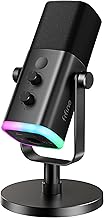
 FIFINE AmpliGame AM8 USB/XLR Dynamic Microphone for Gaming3.35 x 4.96 x 9.65 inches1.7 poundsCheck on Amazon
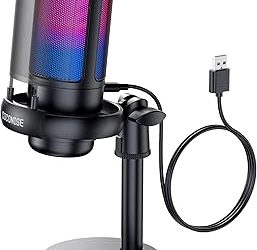
 TONOR Dynamic Gaming Microphone XLR/USB Mic with AI16.7''L x 5.4''W x 4.5''H1.9 poundsCheck on Amazon

The best dynamic microphones under $75 are the FIFINE AmpliGame AM8 for RGB and a headphone jack, the Samson Q2U for a handheld USB and XLR mic, and the MAONO HD300T for podcast-style recording. All are compared from listing specifications.
Dynamic microphones reject room noise better than condensers, which makes them a good fit for gaming desks, shared rooms and untreated spaces. They pick up what is close to the capsule and ignore much of what is far away, so keyboard clatter and fans matter less. This page compares models from their listing text only: connection type, controls, included stand and pickup pattern. Nothing here comes from our own use, so check the maker page for anything the listing leaves out.
At this ceiling you can get USB and XLR hybrids, which let you plug straight into a PC today and move to an audio interface later. Home office, small-space and gaming uses are covered in the buying section and the FAQ below, so you can match a mic to the way you stream, talk or record.
Quick Comparison
| Model | Key specs per listing | Best for |
|---|---|---|
| FIFINE AmpliGame AM8 | USB and XLR, RGB light, mute button, headphone jack, desktop stand | Gaming desks with RGB |
| FIFINE AmpliTank K688 | XLR and USB, metal body, mute, headphone jack, monitoring volume control, windscreen | A sturdy podcast and streaming mic |
| MAONO HD300T | USB and XLR, volume control, headphone jack, stand, pop filter | Podcasting and home studio |
| SAMSON Q2U Handheld | USB and XLR, handheld, cardioid pickup pattern, for podcasting and live streaming (pink) | A handheld, portable mic |
| TONOR TD510 AIR S H+ | XLR and USB, AI noise cancellation, boom arm set, RGB, tap mute, 3.5mm jack, gain control | A complete kit at a low tier |
| Audio-Technica ATR1300x | Unidirectional dynamic microphone (ATR Series), connection not stated in the listing | Voice and live use from a known brand |
FIFINE AmpliGame AM8 USB/XLR Dynamic Microphone
As an Amazon Associate we earn from qualifying purchases at no extra cost to you.

Spec line: USB and XLR dynamic microphone for gaming and streaming, podcast mic with RGB light, mute button, headphones jack, desktop stand, for vocal recording, singing and YouTube.
The AM8 is built for a gaming desk. The listing mentions both USB and XLR connections, an RGB light, a mute button, a headphone jack and a desktop stand. The headphone jack lets you monitor yourself without lag, which is useful on stream, and the mute button is handy for quick breaks. The USB and XLR combination also leaves room to grow, since you can later use an audio interface. The listing does not state the pickup pattern or sample rate, so check the maker page if those matter. It is one of the more expensive picks in this group, but the feature list is the longest of the plug-and-play options.
- Pro: USB and XLR connections
- Pro: Mute button and headphone jack
- Pro: Desktop stand included
- Con: Pickup pattern not listed
- Con: Near the top of this tier
FIFINE AmpliTank K688 Dynamic Microphone

Spec line: Dynamic microphone, XLR and USB podcast recording PC mic, streaming studio metal mic with mute, headphone jack, monitoring volume control, windscreen, for vocal voice-over and gaming.
The K688 is the metal-bodied, no-light cousin of the AM8. The listing describes an XLR and USB dynamic mic with a mute control, a headphone jack, a monitoring volume control and a windscreen. The monitoring volume is a genuine advantage, because you can adjust what you hear in your headphones without opening software. Metal construction usually means a sturdier mic, though the listing does not state weight or build details beyond calling it metal. There is no RGB, so it looks cleaner on an office desk. A stand is not mentioned in the title, so check what is in the box. It is the slightly higher-priced Fifine here and the better fit for podcasting.
- Pro: Monitoring volume control
- Pro: Metal body
- Pro: Windscreen included
- Con: Stand not mentioned in the title
- Con: No RGB lighting
MAONO HD300T USB XLR Dynamic Podcast Microphone

Spec line: USB and XLR dynamic podcast microphone for PC and audio interface, desktop mic with volume control, headphones jack, stand, pop filter, for podcasting, recording, streaming, vocals and home studio.
MAONO lists the HD300T as a podcast and home studio mic. It offers USB and XLR connections, a volume control, a headphone jack, a stand and a pop filter in the package. The included pop filter and stand mean you can start recording without buying accessories, and the XLR output keeps the door open for an audio interface. The listing does not mention lighting or a mute button, so it is a plain tool, which fits a quiet home office. It does not give the pickup pattern, so check the maker page if you need that information. It is a solid middle option with accessories included, aimed at people who want to record voice rather than show off a light.
- Pro: Pop filter and stand included
- Pro: USB and XLR connections
- Pro: Volume control and headphone jack
- Con: No mute button or lighting listed
- Con: Pickup pattern not stated
SAMSON Q2U USB and XLR Handheld Dynamic Microphone

Spec line: USB and XLR handheld dynamic microphone, cardioid polar pattern, for podcasting and live streaming, pink.
The Q2U is the well-known handheld option, and the listing gives a clear cardioid pickup pattern, which focuses on sound from the front and cuts side noise. It connects by USB or XLR and is aimed at podcasting and live streaming. A handheld form works well for interviews or travel, and it can sit on a stand or boom arm if you buy one. The listing for this pink version does not mention a stand, a pop filter or cables, so check what is in the box. The color is the main difference from other Q2U listings. With no mute button or lighting, it is a simple, flexible mic and a good choice if you plan to upgrade the rest of your audio chain.
- Pro: Cardioid pattern listed
- Pro: USB and XLR connections
- Pro: Handheld and portable
- Con: Accessories not listed
- Con: No mute button
TONOR Dynamic Gaming Microphone with Boom Arm Set

Spec line: Dynamic gaming microphone, XLR and USB mic with AI noise cancellation, boom arm set, RGB, tap mute, 3.5mm jack, gain control, for content creators, black, model TD510 AIR S H+.
TONOR sells this model as a kit. The listing mentions a boom arm set, RGB, tap mute, a 3.5mm jack, gain control and AI noise cancellation, on top of USB and XLR connections. Including a boom arm is a real saving on a small desk, because the mic sits above the keyboard and leaves surface space. AI noise cancellation is a marketing term in the listing, so it does not say how it works or how much it removes. The brand is less established than Fifine or Samson, so check the maker page for support and warranty. It sits lowest in this group, making it a reasonable entry point for a first streaming setup.
- Pro: Boom arm included
- Pro: Tap mute and gain control
- Pro: Lowest in this tier
- Con: AI noise cancellation unexplained
- Con: Less established brand
Audio-Technica ATR1300x Unidirectional Dynamic Microphone

Spec line: Unidirectional dynamic microphone, ATR series.
The ATR1300x listing is very short. It names a unidirectional dynamic microphone from the ATR series and nothing else, so features such as the connector type, included stand and frequency range are not stated. Check the maker page for whether it needs an audio interface, which is a common requirement for dynamic mics without USB. The unidirectional pattern is the useful detail, because it rejects sound from behind, which helps in a noisy room. Audio-Technica is a recognized name, so it suits someone who already owns an interface and wants a simple voice mic. It is not a plug-and-play USB solution by default, so confirm that before ordering.
- Pro: Unidirectional pickup pattern
- Pro: Recognized brand
- Pro: Mid-tier cost
- Con: Connection type not listed
- Con: Few details in the listing
How to Choose Under $75
Decide between USB, XLR and hybrid
USB mics plug into a PC and work immediately. XLR mics need an audio interface but give a better upgrade path. Hybrids like the Fifine AM8 and K688, MAONO HD300T and Samson Q2U support both, so you can start with USB and add an interface later. If a listing does not state the connection, check it.
Check the controls you will use
A mute button and a headphone jack help during streaming and calls. A monitoring volume control, as on the K688, lets you adjust what you hear without software. For a shared home office, tap mute avoids accidental broadcasts. Skip lighting if you want a plain look.
Plan the stand and the desk space
On a small desk, a boom arm leaves room for a keyboard, and kits like the TONOR include one. A desktop stand is simpler but takes surface space. Keep the mic close, about a fist or two from your mouth, because dynamic mics work best at short distances.
Set your expectations for the tier
Within the $75 limit you get hybrid mics with good rejection of room noise. Do not expect studio condenser detail, and check the maker page for sample rate. Spend any leftover budget on a boom arm and a pop filter if the mic lacks them.
A quick decision summary: choose the FIFINE AM8 for a lit gaming desk, the K688 for a sturdy podcast mic with monitoring, the MAONO HD300T for a stand and pop filter in the box, the Samson Q2U for a handheld, the TONOR kit for a boom arm and a low entry point, and the Audio-Technica ATR1300x if you already own an interface and confirm the connection. Whatever you choose, set the gain so your loudest words stay below clipping, and speak across the capsule rather than directly into it. Read the maker page for sample rate and pickup details that the listing leaves out. If you are unsure between two models, prefer the one whose listing states more about its specifications and fit, because it leaves fewer surprises when the box arrives.
FAQ
Why choose a dynamic mic for gaming?
Dynamic mics reject background noise better than condensers, so keyboard sounds and fans matter less. That helps in untreated rooms and shared spaces where you cannot control the noise.
Are dynamic mics good for a home office?
Yes. They pick up your voice at close range and ignore much of the room. The MAONO HD300T and FIFINE K688 list volume control and headphone jacks that suit calls.
Which dynamic mic suits a small desk?
The TONOR kit includes a boom arm, which frees desk space. The Samson Q2U also fits a boom arm or a stand, but check what its listing includes.
Do I need an audio interface?
Not for USB models. The Fifine, MAONO and Samson listings state USB and XLR, so you can plug in directly. A mic that lists no USB, such as the ATR1300x, may need an interface.
How close should I sit to a dynamic mic?
About a fist or two from your mouth. Dynamic mics work best at close range, and sitting farther away lowers your voice and brings up room noise.
Last updated: November 2026
FAQ
Why choose a dynamic mic for gaming?
Are dynamic mics good for a home office?
Which dynamic mic suits a small desk?
Do I need an audio interface?
How close should I sit to a dynamic mic?
More from Amazon
Programs that pair well with the guide above. Offers and eligibility are set by Amazon and may change.
Free shipping on eligible items, Prime Video and more. Eligible new members can start with a free trial.
Start a Prime free trialAd-free music streaming. Eligible new subscribers can start with a free trial.
Try Music Unlimited freeA Prime membership for ages 18-24 with a trial period. Eligibility is set by Amazon.
See Prime for Young AdultsAudiobooks and podcasts to listen to on the go. Eligible new members can start with a free trial.
Try Audible freeAs an Amazon Associate we earn from qualifying purchases.