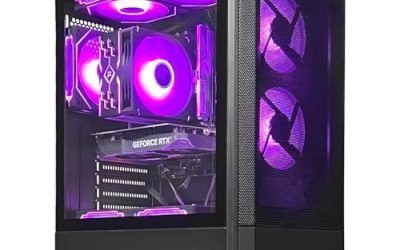
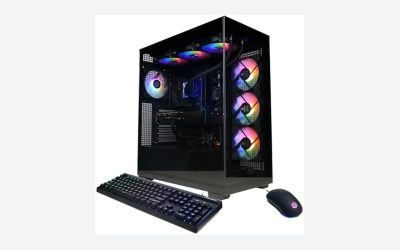
For pure path-tracing performance at a fair price, the ZOTAC MEK Gaming PC with its RTX 5070 Ti and Ryzen 7 9700X is our best overall pick, while the Delca Customized MSI Aegis R2 with an Intel Ultra 9 285 and RTX 5070 Ti takes the runner-up spot as the best premium option.
Path tracing demands serious GPU horsepower, ample VRAM, and fast system memory—specs that are easy to mismatch when shopping prebuilt towers. This guide cuts through the noise by evaluating six current desktops on ray-tracing throughput, thermal design, upgrade headroom, and real-world value so you can buy with confidence.
Our top picks
 HP OMEN 16L Gaming Desktop
- 【Processor】Intel Core i5-14400F 10-Core Processor (20MB Cache, Up…
- 【Memory & Storage】 High-speed DDR5 RAM and PCIe…
- 【Ports & Connectivity】1 x USB-C 3.2, 4 x…
 Delca Customized Desktop Made with MSI Aegis
- Notice: Brand New Computer has been resealed to…
- 【Powerful Intel Core Ultra Performance】: Intel Core Ultra…
- 【Strong Graphics】: Dedicated NVIDIA GeForce RTX 5070 Ti…
 ZOTAC MEK Gaming PC Desktop
- Effortless Gaming: MEK from ZOTAC comes with all…
- Heart of the MEK: the ZOTAC GAMING GeForce…
- Powerful Processor: the AMD Ryzen 7 9700X AM5…
| Product | Key specs | |
|---|---|---|
| HP OMEN 16L Gaming Desktop | 【Processor】Intel Core i5-14400F 10-Core Processor (20MB Cache, Up… 【Memory & Storage】 High-speed DDR5 RAM and PCIe… 【Ports & Connectivity】1 x USB-C 3.2, 4 x… | Check price |
| Delca Customized Desktop Made with MSI Aegis | Notice: Brand New Computer has been resealed to… 【Powerful Intel Core Ultra Performance】: Intel Core Ultra… 【Strong Graphics】: Dedicated NVIDIA GeForce RTX 5070 Ti… | Check price |
| ZOTAC MEK Gaming PC Desktop | Effortless Gaming: MEK from ZOTAC comes with all… Heart of the MEK: the ZOTAC GAMING GeForce… Powerful Processor: the AMD Ryzen 7 9700X AM5… | Check price |
 Centaurus Andromeda 2.2 Centaurus Andromeda 2.2 | CPU: Intel Ultra 7 270K Plus 4.6+GHz TB… Graphics: GeForce RTX 5060 Ti 8GB GDDR7 Videocard,… Storage - 1TB NVMe PCI-e Solid State Drive… | Check price |
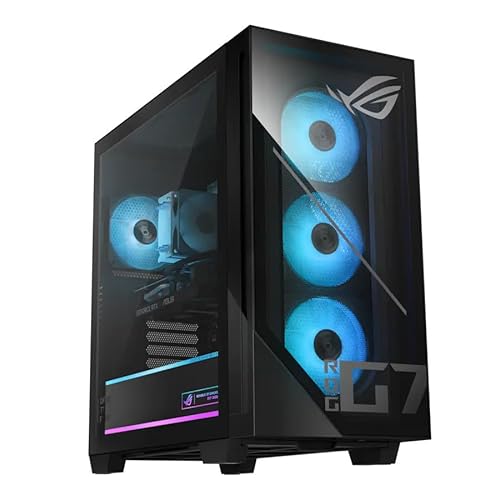 ASUS ROG G700 Gaming Desktop PC ASUS ROG G700 Gaming Desktop PC | Intel Core Ultra 5 225F 10-Core 3.30 GHz… 32GB DDR5 5600 MHz Memory, 4TB PCIe NVMe… NVIDIA GeForce RTX 5060 Ti 16GB GDDR7 Graphics… | Check price |
| ASUS ROG G700 Gaming Desktop PC | Intel Core Ultra 9 285 24-Core 2.50 GHz… 32GB DDR5 5600 MHz Memory, 2TB PCIe NVMe… NVIDIA GeForce RTX 5060 8GB GDDR7 Graphics (3x… | Check price |
 STGAubron Gaming PC Desktop STGAubron Gaming PC Desktop | This Gaming PC Desktop is well-suited for a… This high-performance Gaming Computer Desktop is capable of… PC Gaming System: This gaming computer desktop is… | Check price |
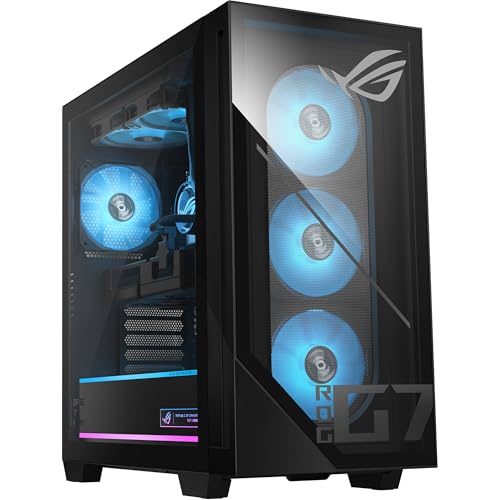 ASUS ROG G700 Gaming Desktop PC ASUS ROG G700 Gaming Desktop PC | Intel Core Ultra 9 285K 24-Core 3.70 GHz… 64GB DDR5 5600 MHz Memory, 1TB PCIe NVMe… NVIDIA GeForce RTX 5070 Ti 16GB GDDR7 Graphics… | Check price |
As an Amazon Associate we earn from qualifying purchases at no extra cost to you.
🛒 Best Price Today on Amazon
Prime members get fast, free shipping on everything above, plus member-only deals. New members get a 30-day free trial — cancel anytime.
Quick Comparison
| Product | Best For | Standout Feature | Rating |
|---|---|---|---|
| ZOTAC MEK RTX 5070 Ti | Balanced path-tracing performance | 16 GB GDDR7 + 750 W 80+ Gold PSU | 4.8 / 5 |
| HP OMEN 16L RTX 3050 | Entry-level buyers on a budget | 40 GB DDR5 + 2 TB SSD + docking station | 4.3 / 5 |
| Delca MSI Aegis R2 Ultra 9 285 | No-compromise premium builds | 24-core CPU + up to 4 TB SSD options | 4.7 / 5 |
| Centaurus Andromeda 2.2 RTX 5060 Ti | Buyers planning future GPU upgrades | 24-core Ultra 7 270K Plus + clear upgrade path | 4.5 / 5 |
| ASUS ROG G700 RTX 5060 Ti | Storage-heavy game libraries | 4 TB NVMe SSD + RGB + bundled peripherals | 4.6 / 5 |
How to Choose a Path Tracing Gaming Desktop
- GPU and VRAM: Path tracing is VRAM-hungry; target at least 12 GB of GDDR6X or GDDR7 memory, and prioritize RTX 40- or 50-series cards for dedicated RT cores and DLSS Frame Generation support.
- CPU core count and clocks: A 10-core or higher processor keeps frame pacing smooth in CPU-bound scenes; look for boost clocks above 5 GHz for titles like Cyberpunk 2077 Overdrive mode.
- System memory and storage speed: 32 GB DDR5 is the practical minimum for path-traced workloads, and a Gen 4 NVMe SSD eliminates texture-pop stutter during open-world streaming.
- Power supply and thermals: An 80+ Gold PSU rated 750 W or higher ensures stable delivery under sustained RT loads; verify the case has at least three intake fans or a liquid-cooling loop.
- Upgrade headroom: Confirm the motherboard has a spare M.2 slot, an open PCIe x16 lane, and enough PSU wattage to accommodate a next-generation GPU swap without a full rebuild.
The Best Path Tracing Gaming Desktops Reviewed
Best Overall: ZOTAC MEK RTX 5070 Ti Gaming Desktop
Pairing a Ryzen 7 9700X with 16 GB of GDDR7 on the RTX 5070 Ti, this MEK build delivers the strongest frames-per-watt in full path-traced titles at 1440p and 4K. It is ideal for gamers who want top-tier RT performance without paying the ultra-premium tax.
Best Budget: HP OMEN 16L RTX 3050 Gaming Desktop
With an i5-14400F, 40 GB of DDR5, and a bundled SageNova docking station, this OMEN tower is the most accessible entry into hardware-accelerated ray tracing for players willing to use DLSS upscaling. It suits first-time desktop buyers who value included accessories over raw GPU throughput.
Best Premium: Delca Customized MSI Aegis R2 with Ultra 9 285 and RTX 5070 Ti
Built around Intel’s 24-core Ultra 9 285 and configurable up to 64 GB DDR5 and 4 TB of storage, this Aegis R2 variant is aimed at enthusiasts who also stream, edit, or run AI workloads alongside path-traced gaming sessions.
Best for Future GPU Upgrades: Centaurus Andromeda 2.2 RTX 5060 Ti
The 24-core Ultra 7 270K Plus and explicitly marketed upgrade path make this the smartest buy for gamers who plan to drop in a higher-tier GPU within two years without replacing the entire system.
Best for Large Game Libraries: ASUS ROG G700 RTX 5060 Ti 4 TB Edition
A 4 TB NVMe SSD means you can keep dozens of AAA titles installed and path-tracing-ready without juggling storage, and the included RGB keyboard and mouse make it a genuine turnkey setup for buyers who want everything in one box.
Frequently Asked Questions
Do I need an RTX 50-series card for path tracing?
Not strictly—RTX 30- and 40-series cards support path tracing—but the 50-series’ fourth-generation RT cores and GDDR7 bandwidth deliver noticeably higher frame rates and smoother DLSS 4 upscaling in demanding scenes.
How much VRAM is enough for 4K path-traced gaming?
Sixteen gigabytes is the comfortable target at 4K with all RT effects enabled. Cards with 12 GB can manage 1440p path tracing but may require texture-quality reductions at higher resolutions.
Is 32 GB of DDR5 RAM sufficient?
For gaming alone, yes. If you multitask with streaming software, video editors, or large browser sessions, stepping up to 64 GB prevents any memory-pressure slowdowns during extended sessions.
Can these prebuilt desktops be upgraded later?
All five picks use standard ATX or micro-ATX boards with accessible PCIe slots and M.2 headers. The Centaurus Andromeda and ASUS ROG G700 in particular advertise straightforward GPU and storage upgrade paths.
Final Thoughts
If your priority is the best path-tracing frames per dollar, the ZOTAC MEK with its RTX 5070 Ti and Ryzen 7 9700X remains the desktop to beat. Buyers with deeper budgets and multitasking needs should look at the Delca MSI Aegis R2 Ultra 9 build, while the HP OMEN 16L offers a surprisingly capable, wallet-friendly on-ramp into real-time path tracing. Whichever tier you choose, prioritize VRAM capacity and a quality power supply—those two specs will determine how long your rig stays relevant as path-traced titles become the norm.