Our Short List of 3
All 5 Picks at a Glance
| Product | Specs | Action |
|---|---|---|
 HyperX Cloud III | Check price on Amazon | |
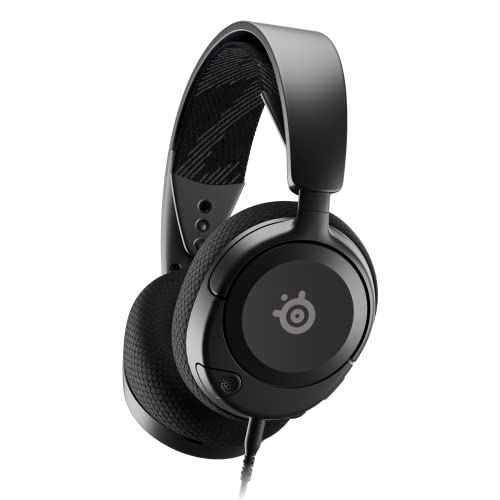 SteelSeries Arctis Nova 1 | Check price on Amazon | |
 HyperX Cloud Alpha | Check price on Amazon | |
 Razer BlackShark V2 X | Check price on Amazon | |
 Poly Blackwire 5220 | Check price on Amazon |
Our Top Picks
- HyperX Cloud III Wired Gaming Headset for PCRegular3.41 x 6.1 x 7.48 inches0.7 poundsCheck on Amazon
- Razer BlackShark V2 X Wired Gaming Headset with3.5 mm7.6 x 6.76 x 3.86 inches0.5 poundsCheck on Amazon
A wired headset with a microphone is the simplest way to get clear game sound and clear voice in one purchase. There is no battery to charge, no wireless link to drop, and no pairing step before a call or a match. You plug the cable in and the headset works.
This guide covers five wired headsets that each carry a real boom microphone, not an inline mic hidden in the cable. Every pick here is an over-ear headset sold on Amazon US, and every pick connects by cable, either through a 3.5 mm jack, a USB plug, or both. Four of the five are gaming headsets built for long sessions. The fifth is a work headset built for calls, because the keyword is general: a wired headset with a mic is as much a work tool as a gaming tool.
A plain statement about scope: no maker publishes a measured microphone clarity figure, so mic quality in this guide is judged from design, not from a number. A boom microphone that sits close to the mouth and points at it will beat an inline microphone that hangs on the cable, and a cardioid or noise-cancelling boom will pick up less room sound than an open one. That is the whole basis for the mic notes below, and the article says so wherever a claim rests on design rather than a published figure.
What to Look For
Mic placement comes first. A boom microphone extends from the ear cup to the corner of your mouth, so your voice arrives loud and close while room sound stays quiet. An inline microphone sits on the cable near your chest, much farther from your mouth, and it picks up clothing rustle and keyboard sound along the way. Every headset in this guide has a boom microphone.
Connection comes next, and it decides what the headset works with. A 3.5 mm jack is the most flexible connection: it plugs into a PC, a console controller, a phone, and a laptop without any software. A USB connection adds digital sound and sometimes unlocks extra features, such as surround processing or a software equalizer, but those extras usually work on PC only. Check the box contents before you buy, because a headset that looks identical in two listings can ship with different cables.
Platform support is the third thing to check. A headset that works on a PC may not carry chat sound on a console, and a headset built for one console may not carry chat on the other. The listings name the platforms each pick supports, and this guide repeats those platform notes per pick.
Comfort decides whether a headset stays on your head for a full session. Weight matters most: a headset near 240 grams feels very different after two hours than one near 310 grams. Ear cushion material matters too. Memory foam with a soft covering seals well and stays comfortable, while a thin cushion presses on the ear after an hour. Headband padding matters for the same reason, and a suspension band spreads weight better than a bare band.
Driver size is worth a look but not worth obsessing over. Surround sound in these headsets is virtual: two drivers plus processing, not separate speakers in each ear cup. It works best on PC, where the software runs, and it is a bonus rather than a reason to buy.
Mute and volume controls deserve a moment. A mute button on the ear cup or on the cable lets you silence the mic without reaching for software. An LED that shows the mic is muted saves you from talking to a silent room. These small controls are the difference between a headset that disappears into your routine and one that interrupts it.
Cable length and design round out the list. A cable around two metres reaches from a PC under a desk to your head without pulling. A detachable cable is a real advantage: if the cable wears out, you replace the cable, not the headset. None of the picks here needs a battery, which is the quiet benefit of wired headsets: there is nothing to charge before a long call or a long match.
What to Look For in a Mic
The microphone deserves its own checklist, because a headset can sound great and still fail on voice. A detachable boom mic lets you remove it when you only want to listen to music. Noise-cancelling mic design aims to cut room sound, but no listing publishes a measured figure for how much it cuts, so treat that claim as design intent rather than a guarantee. Sidetone, which lets you hear your own voice back in the ear cups, helps you avoid shouting on calls, but not every headset here has it, and where it exists it may need PC software. The per-pick notes say which of these each headset has.
HyperX Cloud III
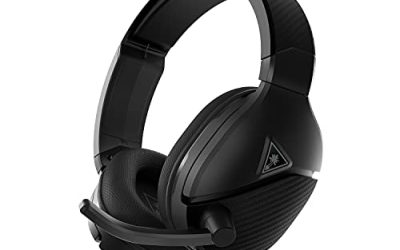
The HyperX Cloud III is the strongest pick in this guide, and it leads on the basics: a durable frame, a comfortable fit, and a microphone that is built for clear voice. The headset uses angled 53 mm drivers, which tilt toward the ear and give game sound a wide, open feel. A 10 mm detachable microphone sits on a boom with an LED mute indicator, so you can see at a glance whether your mic is live. The frame is aluminum, the ear cushions are memory foam with a soft leatherette covering, and the headband carries the same foam, which is why this headset stays comfortable through long sessions despite weighing a little over 300 grams.
Connection is the Cloud III’s other strength. It ships with USB-C, USB-A, and 3.5 mm cables, so it plugs into a PC, a PlayStation, an Xbox, a Nintendo Switch, and a phone without an adapter. On PC, the NGENUITY software unlocks DTS Spatial Audio and a custom equalizer. On console, the headset runs in stereo, which is an honest limit to know: the surround processing is a PC feature, not a headset feature, and the listing does not claim otherwise. The microphone detaches, so the headset works as plain headphones when you only want to listen.
The Cloud III is the current generation of a long-running line, and that shows in the details. If you want one wired headset that covers gaming, calls, and music without compromise, this is the pick to begin with.
SteelSeries Arctis Nova 1
The SteelSeries Arctis Nova 1 is the least heavy gaming headset in this guide at 236 grams, and that low weight is the reason it earns its place. A headset you forget you are wearing is a headset you can wear for hours, and the Nova 1 pairs that low weight with a suspension headband that spreads what little weight there is across the top of your head.
Sound comes from custom high-fidelity drivers tuned for the Nova Acoustic System, and the headset supports 360 spatial audio through the Sonar software on PC. On console, the headset runs in stereo through the 3.5 mm cable, which is the honest limit for a wired multi-system headset: the spatial processing lives in the PC software, not in the headset. The microphone is a bidirectional noise-cancelling boom that retracts into the ear cup when you are done talking, which keeps the headset clean and simple when you only want to listen.
Connection is a single 3.5 mm cable, which is both the strength and the limit of this headset. It plugs into a PC, a PlayStation, an Xbox, a Switch, and a phone with no adapter and no software. It has no USB connection and no detachable cable, so there is no digital path and no spare cable to buy if the cord wears out. What you get instead is a headset that works everywhere, weighs very little, and asks nothing of you. The model number is 61606.
HyperX Cloud Alpha
The HyperX Cloud Alpha has been around for years, and its staying power comes from a simple formula: a strong aluminum frame, dual-chamber 50 mm drivers, and a detachable noise-cancelling microphone. The dual-chamber design separates bass from mids and highs, which keeps low sounds from muddying voices and detail.
The microphone detaches, so the headset doubles as plain headphones. The ear cushions are memory foam with a leatherette covering, and the headset weighs 298 grams, which sits between the featherweight Nova 1 and the heavier Cloud III. The cable is detachable and carries in-line volume and mute controls, which are easy to reach during a match or a call. The frame is aluminum, which is why this headset has a reputation for surviving daily use and travel.
There are two honest limits to know. The Cloud Alpha ships with a 3.5 mm cable only, so there is no USB sound card in the box and no digital surround processing; the Alpha S is the model that adds those extras, and it is a different listing. Surround sound on the Alpha is a PC software matter, not a headset feature. The headset is also an older design, which means it lacks the USB-C connection of the Cloud III, but it also means the design has years of use behind it. If you want a proven wired headset with a boom mic and no software to install, the Alpha is the pick.
Razer BlackShark V2 X
The Razer BlackShark V2 X is the most affordable gaming headset in this guide, and it earns its place on comfort and weight. At 240 grams it is nearly as light as the Nova 1, and its memory foam ear cushions with a soft covering seal well without pressing hard on the ear. The headset uses 50 mm TriForce drivers, which split the sound into separate highs, mids, and lows, and the tuning leans toward clear footsteps and voice detail in games.
The microphone is a HyperClear cardioid boom, which means it picks up sound from the front and rejects sound from the sides and behind. That pattern is the right one for a desk in a shared room, because it favors your voice over the keyboard and the fan behind you. The cable is a single 3.5 mm lead with in-line volume and mute controls.
There are two honest limits to know. The 7.1 surround sound runs through the Synapse software on PC only, so on console the headset plays in stereo. The headset also has no sidetone built in: hearing your own voice back requires the Synapse software on PC, and there is no sidetone on console at all. If you play mostly on PC and want a light, comfortable wired headset with a good boom mic, the V2 X is a strong choice. Do not confuse it with the BlackShark V2, a different model that ships with a USB sound card; the V2 X is the 3.5 mm model, and its model number is RZ04-03240100-R3U1.
Poly Blackwire 5220
The Poly Blackwire 5220 is the work headset in this guide, and it shows what changes when voice clarity matters more than game sound. It is a wired headset built for calls, with a flexible noise-cancelling boom microphone that bends to sit exactly where your voice is loudest. At 138 grams it is by far the least heavy pick here, and its over-ear design with soft cushions is built for all-day wear on calls rather than long gaming sessions.
Connection is unusually flexible for a work headset. It ships with a USB-C cable, a USB-C to USB-A adapter, and a 3.5 mm cable, so it plugs into a modern laptop, an older desktop, and a phone without buying anything extra. The listing names Microsoft Teams and Zoom as the platforms it works with, and the headset is an Amazon Exclusive version of the 2024 model, model number 9P7X6AA.
There are two honest limits to know. The Blackwire 5220 has no busylight, so there is no red light on the ear cup to tell colleagues you are on a call. Its noise cancellation is passive, from the ear cushions sealing around the ear, not active cancellation that removes background sound electronically. If you work from home and need a light, wired headset that makes your voice clear on every call, this is the pick. If you want game sound and surround processing, take one of the gaming picks above instead, because this headset is tuned for voice, not for games.
Comparison Table
| Headset | Mic | Connection | Weight | Best For |
|---|---|---|---|---|
| HyperX Cloud III | Detachable 10 mm boom, LED mute | USB-C, USB-A, 3.5 mm | Just over 300 grams | All-round gaming and calls |
| SteelSeries Arctis Nova 1 | Retractable noise-cancelling boom | 3.5 mm | 236 grams | Light all-day wear, every device |
| HyperX Cloud Alpha | Detachable noise-cancelling boom | 3.5 mm | 298 grams | Proven wired gaming headset |
| Razer BlackShark V2 X | HyperClear cardioid boom | 3.5 mm | 240 grams | Light gaming on a modest budget |
| Poly Blackwire 5220 | Flexible noise-cancelling boom | USB-C, USB-A, 3.5 mm | 138 grams | Work calls and meetings |
Frequently Asked Questions
Do wired headsets with a mic work on consoles?
Yes, if the headset has a 3.5 mm cable. A 3.5 mm cable plugs into the controller of a PlayStation or an Xbox and carries both game sound and chat. The four gaming headsets in this guide all have a 3.5 mm connection and name PlayStation and Xbox among their supported platforms. Features that need PC software, such as surround processing and custom equalizer profiles, do not run on consoles. If you play on a console, judge the headset on its stereo sound and its microphone, because those are the parts that work there.
Is a boom microphone better than an inline microphone?
A boom microphone is better for voice, because it sits close to your mouth and points at it. An inline microphone hangs on the cable near your chest, much farther from your mouth, and it picks up clothing movement and keyboard sound along the way. A boom microphone with a cardioid or noise-cancelling design goes further, because it favors sound from the front and rejects sound from the sides. Every headset in this guide has a boom microphone, which is the point of the roundup.
Why choose a wired headset instead of a wireless one?
A wired headset has no battery to charge and no wireless link to drop, so it works the moment you plug it in. That matters before a long call or a long match, when a dead battery ends the session. A wired connection also has no wireless delay between the sound and the picture, which matters in games where timing is everything. If you sit at a desk or on a couch near your device, a wired headset gives you the same sound with fewer things to manage.
How to Choose
Begin with the device you use most. If you play on a PC and want the fullest set of features, take the HyperX Cloud III, because its USB connection unlocks surround processing and a custom equalizer on PC while its 3.5 mm cable covers every other device. If you play on several devices and want the least heavy headset you can wear for hours, take the SteelSeries Arctis Nova 1, because its 236-gram weight and suspension headband make it disappear on your head, and its single 3.5 mm cable works everywhere. If you want a proven wired headset with no software to install, take the HyperX Cloud Alpha, because its aluminum frame and dual-chamber drivers have years of use behind them.
If your budget is modest and you play mostly on PC, take the Razer BlackShark V2 X, because it is light, comfortable, and its cardioid boom mic favors your voice over the room around you. If your days are calls and meetings rather than games, take the Poly Blackwire 5220, because it is the least heavy pick here by a wide margin and its flexible boom mic and three-way connection cover every work device you own.
Whatever you choose, check two things before you buy. First, confirm the listing names your device among its supported platforms, because a headset that works on a PC may not carry chat on a console. Second, confirm the cable in the box matches your device, because a headset that ships with a USB cable only will not plug into a controller without an adapter.
Disclosure: As an Amazon Associate, we may earn a commission from qualifying purchases made through links in this article, at no additional cost to you.
FAQ
Do wired headsets with a mic work on consoles?
Is a boom microphone better than an inline microphone?
Why choose a wired headset instead of a wireless one?
More from Amazon
Programs that pair well with the guide above. Offers and eligibility are set by Amazon and may change.
Free shipping on eligible items, Prime Video and more. Eligible new members can start with a free trial.
Start a Prime free trialAd-free music streaming. Eligible new subscribers can start with a free trial.
Try Music Unlimited freeA Prime membership for ages 18-24 with a trial period. Eligibility is set by Amazon.
See Prime for Young AdultsAudiobooks and podcasts to listen to on the go. Eligible new members can start with a free trial.
Try Audible freeAs an Amazon Associate we earn from qualifying purchases.