Key takeaways
- Switch Feel and Feedback: Mechanical switches come in linear, tactile, and clicky variants, each offering a distinct typing experience, while membrane keyboards use rubber domes that provide a softer, mushier bottom-out feel with less tactile definition.
- Build Quality and Durability: Mechanical keyboards typically feature aluminum or sturdy plastic cases with individual switches rated for tens of millions of keystrokes, whereas membrane boards tend to use lighter plastics and degrade faster under heavy use.
- Acoustics and Noise Level: If you work or game in a shared space, membrane and silent mechanical switches are the quieter options, while traditional mechanical switches can be loud, especially clicky blue variants that produce audible clicks on every press.
- Customization and Hot-Swapping: Many modern mechanical keyboards allow you to swap switches and keycaps without soldering, letting you fine-tune feel and aesthetics, while membrane keyboards offer virtually no modularity or aftermarket support.
- Form Factor and Features: Consider whether you need a full-size numpad, a compact layout, wireless connectivity, or extras like programmable knobs and LCD screens, as both categories now offer options beyond the standard rectangular slab.
Choosing between a mechanical and a membrane keyboard is one of the most personal decisions a PC gamer or typist has to make. Mechanical switches offer tactile feedback, durability, and customization, while membrane keyboards tend to be quieter, more affordable, and often feature slimmer profiles. The problem is that the market is flooded with hybrid switches, low-profile designs, and wireless options that blur the line between the two categories, making it harder than ever to know which type actually suits your needs.
Our top picks


As an Amazon Associate we earn from qualifying purchases at no extra cost to you. Ratings are shown as listed on Amazon.
This guide breaks down the key differences between mechanical and membrane keyboards and highlights the standout options across both categories. Whether you want the satisfying thock of a gasket-mounted mechanical board, the quiet comfort of a mecha-membrane, or the portability of a low-profile wireless model, we have compared and selected the best options to help you decide. Here is what to look for and which keyboards deserve a spot on your desk.
🛒 Best Price Today on Amazon
Prime members get fast, free shipping on everything above, plus member-only deals. New members get a 30-day free trial — cancel anytime.
Watch: Mechanical vs Membrane Keyboard: 2026 Guide — Video Review
How to Choose a Mechanical vs Membrane Keyboard
- Switch Feel and Feedback: Mechanical switches come in linear, tactile, and clicky variants, each offering a distinct typing experience, while membrane keyboards use rubber domes that provide a softer, mushier bottom-out feel with less tactile definition.
- Build Quality and Durability: Mechanical keyboards typically feature aluminum or sturdy plastic cases with individual switches rated for tens of millions of keystrokes, whereas membrane boards tend to use lighter plastics and degrade faster under heavy use.
- Acoustics and Noise Level: If you work or game in a shared space, membrane and silent mechanical switches are the quieter options, while traditional mechanical switches can be loud, especially clicky blue variants that produce audible clicks on every press.
- Customization and Hot-Swapping: Many modern mechanical keyboards allow you to swap switches and keycaps without soldering, letting you fine-tune feel and aesthetics, while membrane keyboards offer virtually no modularity or aftermarket support.
- Form Factor and Features: Consider whether you need a full-size numpad, a compact layout, wireless connectivity, or extras like programmable knobs and LCD screens, as both categories now offer options beyond the standard rectangular slab.
The Best Mechanical vs Membrane Keyboards Reviewed
SOLAKAKA KI99 Pro Wireless
This wireless mechanical keyboard pairs a gasket-mounted structure with pre-lubed silent switches for an exceptionally smooth, quiet typing experience straight out of the box. It is an ideal pick for gamers and office workers who want mechanical feel without disturbing anyone nearby.
Keychron V6 8K Full Size
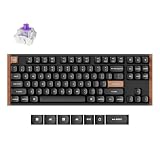
With an 8000 Hz polling rate and hot-swappable Super Brown switches, the V6 8K is built for competitive gamers who demand latency-free input. The included programmable knob and solid build quality make it a versatile full-size option at a reasonable price point.
Razer Ornata V3
The Ornata V3 bridges the gap between mechanical and membrane with its mecha-membrane switches, delivering a low-profile typing experience that is both comfortable and quietly tactile. The magnetic wrist rest and 10-zone RGB lighting round out a board that excels for long gaming sessions.
Logitech MX Mechanical Wireless
Logitech’s low-profile tactile mechanical switches make this full-size wireless keyboard a top choice for productivity-focused users who want a clean, professional aesthetic. With Bluetooth multi-device pairing and smart backlighting that conserves the battery, it is hard to beat for a hybrid work-and-play setup.
Keychron Q5 Max Wireless
The Q5 Max brings a full aluminum body, 96% layout, and tri-mode wireless connectivity to the table, making it one of the most premium options on this list. Gateron Brown switches and QMK/VIA programmability give enthusiasts and power users everything they need in a compact footprint.
Frequently Asked Questions
Are mechanical keyboards better for gaming than membrane keyboards?
Not necessarily. Mechanical keyboards generally offer faster actuation, n-key rollover, and more consistent keystrokes, which can benefit competitive gaming. However, many professional gamers perform well on membrane boards, and comfort often matters more than switch type for casual play.
Do mechanical keyboards last longer than membrane keyboards?
Yes, on average. Individual mechanical switches are typically rated for 50 to 100 million keystrokes, while membrane rubber domes usually last 5 to 10 million. Mechanical keyboards are also repairable and hot-swappable, extending their lifespan significantly over membrane alternatives.
Which type of keyboard is quieter?
Membrane keyboards are generally quieter because the rubber dome absorbs impact, but silent mechanical switches and gasket-mounted boards can match or exceed membrane noise levels. If silence is the priority, look specifically for silent or linear mechanical switches rather than clicky ones.
Can I replace the switches on a membrane keyboard?
No. Membrane keyboards use a single rubber dome sheet, meaning individual switches cannot be replaced or upgraded. If customization and repairability are important to you, a hot-swappable mechanical keyboard is the right choice.
Final Thoughts
For most buyers, the Logitech MX Mechanical Wireless offers the best balance of low-profile comfort, wireless convenience, and tactile feedback. If you want a pure mechanical gaming experience, the Keychron V6 8K delivers competitive performance with excellent build quality. And for those who prefer a quieter, softer feel without going full membrane, the Razer Ornata V3’s mecha-membrane design is a compelling middle ground.