Our Short List of 3
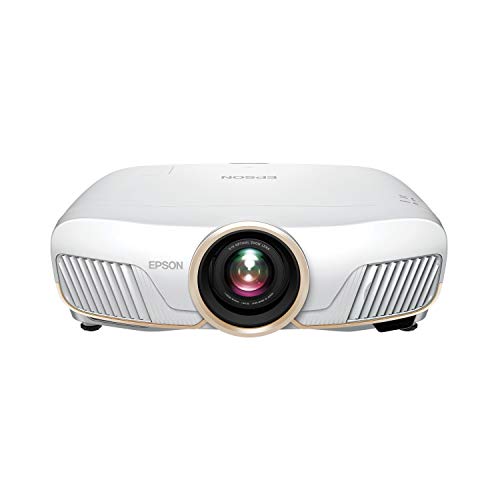
- Best for: A dark, dedicated theater room where deep black in film scenes matters most.
- Resolution: 4K PRO-UHD (3840 x 2160)
- Dynamic Contrast Ratio: 1,000,000:1
- White Brightness: 2,600 lumens
- Color Brightness: 2,600 lumens

- Best for: Mixed film and game nights in a living room that keeps some light.
- Native Resolution: 3840 x 2160
- Contrast Ratio: 1000000:1
- Light source: Lamp
- Throw: Standard throw
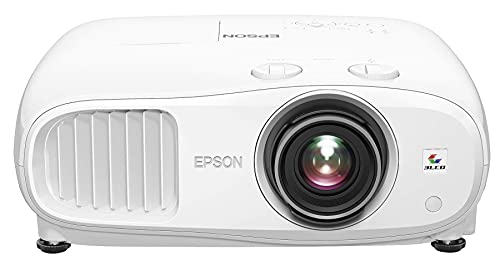
- Best for: A first high contrast projector for a room that serves films, sports and everyday viewing.
- Contrast Ratio: 100,000:1
- Brightness: 3,000 lumens color and 3,000 lumens white
- Projection technology: 4K PRO-UHD
- Design: True 3-chip 3LCD
All 3 Picks at a Glance
| Product | Specs | Action |
|---|---|---|
| Epson Home Cinema 5050UB |
| Check price on Amazon |
| Optoma UHD38x |
| Check price on Amazon |
| Epson Home Cinema 3800 |
| Check price on Amazon |
Key takeaways
- Three projectors picked by the contrast figure printed on each Amazon listing, with dynamic and plain wording kept apart, plus brightness and room checks.
Contrast is the figure that decides whether a night scene looks deep and layered or washed out and grey, yet it is also the easiest projector number to misread. Makers print very different kinds of figures under the same label: some are dynamic numbers reached with an iris or lamp dimming fully active, some carry an “up to” qualifier, and some appear with no qualifier at all. Comparing those numbers as if they were one measurement leads to the wrong projector.
This guide serves film-first buyers, and gamers who share the same screen, choosing a 4K home projector mainly for black depth. Every pick below earned its place because its Amazon listing prints a contrast figure, and each figure is quoted here with the exact wording the listing uses, next to the brightness, resolution and HDR support that same listing prints. Nothing here ranks one wording against another as if they were equal.
Quick Picks
As an Amazon Associate we earn from qualifying purchases
| Product | Best for | Key spec from title |
|---|---|---|
| Epson Home Cinema 5050UB | Dedicated dark rooms | Dynamic Contrast Ratio 1,000,000:1 |
| Optoma UHD38x | Bright rooms and game nights | Contrast Ratio 1000000:1 |
| Epson Home Cinema 3800 | A first high contrast step up | Contrast Ratio 100,000:1 |
How to Choose
Read the Wording Behind the Figure
The number alone tells you little until you read the words attached to it. A figure labeled dynamic is measured while an iris, lamp dimming or a similar system works at full swing, so it describes the widest gap the machine can produce between its darkest and brightest moments, not what a single mixed scene holds. A figure printed with “up to” in front is a ceiling reached in one favored mode. A figure printed bare, with no qualifier, still hides its method unless the listing explains it. Keep each wording with its number and compare like with like.
Match Brightness to Your Room
Contrast on paper survives only if the room lets it. In a living room with lamps on or daylight leaking in, ambient light lifts the black floor no matter what the listing claims, and a brighter projector keeps dark scenes readable by sheer output. In a dark, dedicated room the opposite holds: extreme brightness is wasted, and the projector with the deeper native black behavior and the stronger dimming system wins. Read the lumen figure on the same listing as the contrast figure, and judge the pair against the room you actually have, not the room in the brochure.
Know How the Panel Builds Black
The three picks here reach their figures by different routes, and the route shapes the picture. Three-chip LCD designs pass light through separate panels and lean on an iris to deepen black. Single-chip DLP designs are sharp and bright but build their headline figures with dimming help. Laser and LED models can dim their light source almost instantly, while lamp models dim more slowly and change output as the lamp ages. None of this makes one route correct; it means the same printed figure can feel different in a dark scene, so weigh the design alongside the number.
Plan Throw, Size and Weight
High contrast home projectors are rarely small. The biggest pick below weighs close to twenty five pounds and runs more than twenty inches deep, which rules out flimsy shelves and demands a mount or cabinet position planned in advance. Throw distance matters just as much: a standard throw model needs a long room or a ceiling mount well back from the screen, while a short throw design sits close. Check the listing’s own dimensions and throw wording before you fall for a contrast figure, because a projector that cannot fit the room delivers no contrast at all.
The 3 Best Options
Epson Home Cinema 5050UB
- Best for: A dark, dedicated theater room where deep black in film scenes matters most.
- Resolution: 4K PRO-UHD (3840 x 2160)
- Dynamic Contrast Ratio: 1,000,000:1
- White Brightness: 2,600 lumens
- Color Brightness: 2,600 lumens
A dark, dedicated theater room where deep black in film scenes matters most.
One crawl of this listing showed no featured offer even while noting recent sales, so confirm a live offer before ordering, and measure your mount or shelf first: at 24.7 pounds and 20.4 inches deep it needs serious support.
This is the pick for a dedicated, light-controlled room where film nights are the main event. Epson’s listing prints the strongest wording discipline of the three: the figure is labeled dynamic in the comparison table, so you know exactly what kind of number you are reading. Equal color and white brightness at 2,600 lumens keeps HDR color from washing out, full 10-bit HDR support is printed on the listing, and the precision lens with shift gives real placement freedom for a ceiling mount. It is a large, heavy machine, and that bulk is the trade for its theater-first design.
Watch out for: One crawl of this listing showed no featured offer even while noting recent sales, so confirm a live offer before ordering, and measure your mount or shelf first: at 24.7 pounds and 20.4 inches deep it needs serious support.
Optoma UHD38x
- Best for: Mixed film and game nights in a living room that keeps some light.
- Native Resolution: 3840 x 2160
- Contrast Ratio: 1000000:1
- Light source: Lamp
- Throw: Standard throw
Mixed film and game nights in a living room that keeps some light.
The listing prints its figure without explaining the method behind it, so treat it as a headline number rather than a black-level promise, and remember a lamp model needs lamp changes over its working life.
Optoma aims this lamp-based, standard throw model at rooms that host both films and games, and its listing prints its contrast figure with no qualifier at all: the words Contrast Ratio sit next to 1000000:1, with no dynamic label and no “up to” in front. That plain wording is worth noting rather than treating as a win, because the listing does not explain the measurement behind it. What the listing does state plainly is native 3840 x 2160 resolution and HDR10 and HLG compatibility, a pairing that suits a bright living room where the screen works hard in mixed light.
Watch out for: The listing prints its figure without explaining the method behind it, so treat it as a headline number rather than a black-level promise, and remember a lamp model needs lamp changes over its working life.
Epson Home Cinema 3800
- Best for: A first high contrast projector for a room that serves films, sports and everyday viewing.
- Contrast Ratio: 100,000:1
- Brightness: 3,000 lumens color and 3,000 lumens white
- Projection technology: 4K PRO-UHD
- Design: True 3-chip 3LCD
A first high contrast projector for a room that serves films, sports and everyday viewing.
The crawl captured for this listing is months old, so re-check the figures and the offer on the live listing before you order, and note the “up to” wording means the peak figure belongs to the auto iris mode.
The 3800 is the step-up pick: a three-chip 3LCD design whose listing prints Contrast Ratio 100,000:1 in its comparison table and “up to 100,000:1” in its feature bullets, the most modest figure here and also the most plainly qualified. It pairs that figure with 3,000 lumens of both color and white brightness, the highest output in this group, plus 4K PRO-UHD processing and full 10-bit HDR. For a mixed-use room that cannot go fully dark, that brightness headroom protects dark scenes better than a bigger paper figure on a dimmer machine would.
Watch out for: The crawl captured for this listing is months old, so re-check the figures and the offer on the live listing before you order, and note the “up to” wording means the peak figure belongs to the auto iris mode.
Which One Fits Your Situation
Your Room Goes Fully Dark
Choose the Epson Home Cinema 5050UB. In a room with blackout curtains or no windows at all, its dynamic 1,000,000:1 figure and iris-driven black depth get the conditions they need, and its lens shift makes a permanent ceiling mount easy to align once and then leave alone for good, night after night.
Your Living Room Keeps Some Light
Choose the Epson Home Cinema 3800. Its 3,000 lumens of color and white brightness hold dark scenes together when a lamp stays on or daylight leaks around the blinds, and its honestly qualified 100,000:1 figure sets expectations the picture can actually meet in that setting on film nights and bright afternoons alike.
Game Nights Share the Screen
Choose the Optoma UHD38x. It was built as a gaming projector first, with native 4K resolution and HDR10 support for modern consoles, and its printed 1,000,000:1 figure comes in a standard throw body that suits a coffee-table or ceiling setup in a normal room shared with the whole household every single day.
You Are Moving Up From a Basic Projector
Pick the Epson Home Cinema 3800 first if your current machine is a small portable or an older 1080p unit. The jump in brightness, HDR handling and black depth is large enough to feel on the very first film, without the size, weight and mounting commitment the bigger 5050UB demands.
Common Mistakes
- Comparing a dynamic figure against a plainly printed one as if both came from the same measurement; the wording is part of the spec.
- Chasing the largest number while ignoring brightness, then wondering why dark scenes look grey in a room that never goes dark.
- Missing the “up to” qualifier and expecting the peak figure in every picture mode, including the brightest ones.
- Skipping the tape measure: high contrast home projectors are big and heavy, and mounts, shelves and throw distances need planning before delivery.
- Reading 4K wording as native 4K without checking; two picks here use pixel shifting under the PRO-UHD name, which their listings state openly.
Frequently Asked Questions
What does a dynamic contrast figure actually mean?
It means the gap between the darkest and brightest output was measured while a dimming system, such as an iris or light source control, worked across different moments rather than inside one frame. It describes range over time. A single mixed scene, with bright highlights and dark corners together, shows a smaller gap than the dynamic figure suggests.
Is a 1,000,000:1 figure always better than 100,000:1?
No, because the wordings differ. One figure here is labeled dynamic, one is printed bare with no method explained, and one is qualified with “up to” and tied to an auto iris mode. Room light, brightness and panel design change what you see far more than the headline gap between differently measured numbers.
Can a high contrast projector work in a bright room?
Yes, with the right pairing. Ambient light raises the black floor for every projector, so in a lit room the brighter model protects the picture better. That is why the 3,000 lumen Epson 3800 suits living rooms, while the deepest figures here belong to the 5050UB in a room that can go fully dark.
Does contrast matter for gaming on a projector?
It does in dark games. Night scenes, horror titles and space games live in shadow detail, and a stronger black floor keeps those scenes readable instead of murky. For bright, fast games, brightness and response matter more, which is why the gaming-led pick here pairs its contrast figure with native 4K output and HDR10 support.
FAQ
What does a dynamic contrast figure actually mean?
Is a 1,000,000:1 figure always better than 100,000:1?
Can a high contrast projector work in a bright room?
Does contrast matter for gaming on a projector?
More from Amazon
Programs that pair well with the guide above. Offers and eligibility are set by Amazon and may change.
Free shipping on eligible items, Prime Video and more. Eligible new members can start with a free trial.
Start a Prime free trialAd-free music streaming. Eligible new subscribers can start with a free trial.
Try Music Unlimited freeA Prime membership for ages 18-24 with a trial period. Eligibility is set by Amazon.
See Prime for Young AdultsAudiobooks and podcasts to listen to on the go. Eligible new members can start with a free trial.
Try Audible freeAs an Amazon Associate we earn from qualifying purchases.