Key takeaways
- Gaming performance: AMD X3D chips lead in most CPU-bound games thanks to their large 3D V-Cache; Intel closes the gap in GPU-bound scenarios where the CPU matters less.
- Power and heat: AMD’s X3D chips run cooler and more efficiently; Intel’s top chips draw more power and need beefier cooling.
- Platform longevity: AMD’s AM5 socket supports multiple CPU generations, so you can upgrade the chip without a new motherboard; Intel changes sockets more frequently.
- Productivity: Intel’s high core counts often edge ahead in heavily multi-threaded work like rendering and compilation.
- Memory: Both use DDR5, but AMD’s platform is tuned for specific memory sweet spots that maximize the V-Cache advantage.
- Value: Pricing shifts constantly—Intel frequently discounts aggressively, making it the value pick in certain tiers.
The Intel versus AMD debate is the oldest rivalry in PC gaming, and in 2026 it is closer and more consequential than ever. AMD’s Ryzen chips with 3D V-Cache have redefined gaming performance, while Intel’s latest Core processors push raw clock speeds and strong multi-core productivity. For a gamer building or upgrading this year, the choice affects not just frame rates but platform longevity, power draw, and how much you pay for the motherboard and cooling around the chip.
This comparison cuts through the brand loyalty to give you a clear, practical verdict based on what actually matters for gaming in 2026: frame rates in real titles, efficiency, upgrade path, and value. Both companies make excellent gaming CPUs—the right answer depends on your budget, your games, and whether you also do heavy productivity work.
Our top picks
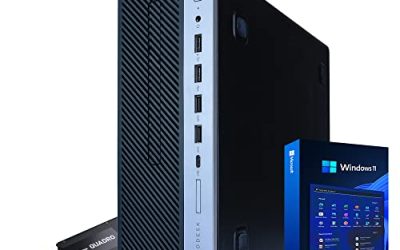
 Prebuilt Gaming PC Desktop
- 【Sleek Design & Efficient Cooling】 Features an A-pillar-free…
- 【Powerful Multi-Core Performance, Smooth Multitasking】 Equipped with the…
- 【Entry-Level Gaming Graphics】Powered by AMD Radeon R7 350…
 Blackout Computers Gaming PC Intel 12th Gen
- 802.11 AC WIFI | Bluetooth 5.0 | Graphic…
- AMD Radeon RX 580 8GB GDDR5 Graphics Card…
- 4 RGB Fans for Maximum Air Flow |…
 NIMO 15.6" IPS FHD-Light Gaming-Laptop
- [High-Performance Processing] Powered by the AMD Ryzen 5…
- [Future-Proof Expandability] Designed for longevity, the N153 allows…
- [Enhanced Privacy & Security] Protect your sensitive data…
| Product | Key specs | |
|---|---|---|
| Prebuilt Gaming PC Desktop | 【Sleek Design & Efficient Cooling】 Features an A-pillar-free… 【Powerful Multi-Core Performance, Smooth Multitasking】 Equipped with the… 【Entry-Level Gaming Graphics】Powered by AMD Radeon R7 350… | Check price |
| Blackout Computers Gaming PC Intel 12th Gen | 802.11 AC WIFI | Bluetooth 5.0 | Graphic… AMD Radeon RX 580 8GB GDDR5 Graphics Card… 4 RGB Fans for Maximum Air Flow |… | Check price |
| NIMO 15.6" IPS FHD-Light Gaming-Laptop | [High-Performance Processing] Powered by the AMD Ryzen 5… [Future-Proof Expandability] Designed for longevity, the N153 allows… [Enhanced Privacy & Security] Protect your sensitive data… | Check price |
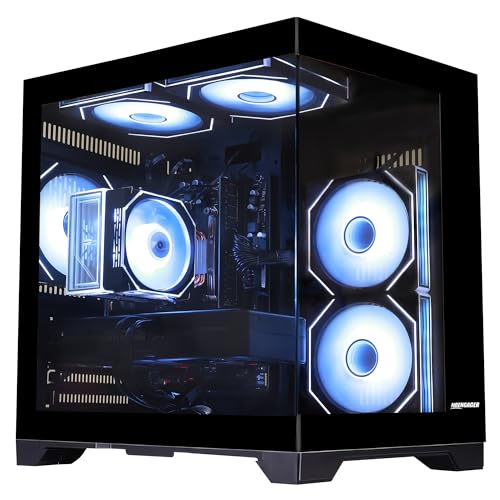 Prebuilt Gaming PC Desktop Prebuilt Gaming PC Desktop | High-Performance Gaming PC powered by Intel Core i5-14400F… 32GB DDR4 RAM 3200MHz ensures lag-free multitasking and… Built-in WiFi & Bluetooth for stable wireless connectivity,… | Check price |
 ASUS TUF A16 RTX 5060 Gaming Laptop ASUS TUF A16 RTX 5060 Gaming Laptop | Equipped with AMD Ryzen 7 260 processor and… IMMERSIVE 165Hz DISPLAY - Features a 16" FHD+… Built to withstand daily wear and tear with… | Check price |
 NOVATECH Phantom 2.0 NOVATECH Phantom 2.0 | AMD RX580 Graphics card delivers smooth visuals and… GET MORE DONE, FASTER: Powered by an Intel… UPGRADE YOUR SETUP’S LOOK: Encased in a high-quality… | Check price |
 Corsair Vengeance RGB RS DDR5 16GB Corsair Vengeance RGB RS DDR5 16GB | Disclaimer: Maximum Speed requires overclocking/PC BIOS adjustments AMD EXPO & Intel XMP 3.0 Compatible Only:… Dynamic RGB Lighting: Individually addressable RGB lighting delivers… | Check price |
 GMKtec M5 Ultra Gaming Mini PC AMD GMKtec M5 Ultra Gaming Mini PC AMD | Office Gaming Mini PC - UPGRADED GMKtec Nucbox… 32GB DDR4 RAM & 1TB PCIe SSD -… DUAL NIC LAN 2.5G RJ45 - Fast Network… | Check price |
As an Amazon Associate we earn from qualifying purchases at no extra cost to you.
⚡ Save on Your Next PC — Amazon Prime
Prime members get fast free shipping on the systems above, plus early access to Prime Day & Black Friday PC deals. New members get a 30-day free trial.
Watch: Intel vs AMD for Gaming in 2026 — Video Review
Quick Verdict
For pure gaming, AMD’s Ryzen X3D chips with 3D V-Cache are the frame-rate kings and the enthusiast’s default in 2026, delivering the highest average and 1% low FPS while sipping less power. Intel remains highly competitive on value at certain price points and wins for mixed workloads that lean on many cores. If gaming is your priority and you want the best long-term platform, AMD’s AM5 socket is the smart pick; if you want strong all-round performance and find a better deal, Intel is far from a wrong choice.
Key Differences
- Gaming performance: AMD X3D chips lead in most CPU-bound games thanks to their large 3D V-Cache; Intel closes the gap in GPU-bound scenarios where the CPU matters less.
- Power and heat: AMD’s X3D chips run cooler and more efficiently; Intel’s top chips draw more power and need beefier cooling.
- Platform longevity: AMD’s AM5 socket supports multiple CPU generations, so you can upgrade the chip without a new motherboard; Intel changes sockets more frequently.
- Productivity: Intel’s high core counts often edge ahead in heavily multi-threaded work like rendering and compilation.
- Memory: Both use DDR5, but AMD’s platform is tuned for specific memory sweet spots that maximize the V-Cache advantage.
- Value: Pricing shifts constantly—Intel frequently discounts aggressively, making it the value pick in certain tiers.
Intel for Gaming
Intel’s current Core processors deliver high clock speeds and strong multi-core throughput, making them excellent all-rounders for gamers who also stream, edit, or compile code. Prebuilt systems like those pairing an Intel Core i5-14400F with a modern GPU offer superb value, and in GPU-limited games at high resolutions the difference between Intel and AMD narrows to the margin of error.
Intel’s weaknesses are power draw and platform longevity—top chips run hot and demand serious cooling, and the socket changes more often, so a future CPU upgrade usually means a new motherboard too. For a gamer who buys a complete system and keeps it for years, that matters less; for a serial upgrader, it is a real cost.
AMD for Gaming
AMD’s Ryzen chips, especially the X3D models with 3D V-Cache, are the frame-rate champions of 2026. That extra cache dramatically boosts performance in CPU-bound games—strategy titles, simulators, and esports at high frame rates—often leading Intel by double-digit percentages in 1% lows, which is what you actually feel as smoothness. A chip like the Ryzen 7 7800X3D remains a gaming benchmark reference.
The AM5 platform is the other big draw: it supports multiple CPU generations, so you can drop in a faster chip years later on the same board. Combined with lower power draw and easier cooling, AMD offers the best combination of gaming performance and long-term value for enthusiasts who prioritize frames.
Which Should You Buy?
- Choose AMD X3D if maximum gaming frame rates and smoothness are your top priority.
- Choose AMD AM5 if you want a platform you can upgrade for years without a new motherboard.
- Choose Intel if you find a significantly better deal at your budget or buy a complete prebuilt.
- Choose Intel if you do heavy multi-core productivity alongside gaming.
- Either is excellent if you game at 4K, where the GPU does most of the work and CPU differences shrink.
Frequently Asked Questions
Is AMD or Intel better for gaming in 2026?
For pure gaming, AMD’s X3D chips generally lead thanks to their 3D V-Cache, delivering higher frame rates and better 1% lows in CPU-bound titles. Intel remains highly competitive, especially on value and in GPU-limited scenarios. If frames are your priority, AMD is the safe pick; Intel wins when the price is right or you need strong multi-core productivity.
Does the CPU brand matter at 4K?
Less than you might think. At 4K, the GPU handles most of the workload and becomes the bottleneck, so the gap between comparable Intel and AMD CPUs narrows to a few percent. CPU choice matters most at 1080p and 1440p with high-refresh monitors, where the processor feeds more frames and the X3D advantage shows clearly.
What is 3D V-Cache and why does it help gaming?
3D V-Cache is extra L3 cache stacked onto AMD’s X3D chips. Games frequently reuse data, and more cache means the CPU fetches that data faster instead of waiting on slower memory. This dramatically boosts frame rates in cache-sensitive, CPU-bound games, which is why X3D chips top gaming benchmarks despite modest clock speeds.
Will I need a new motherboard to upgrade my CPU later?
With AMD’s AM5 platform, likely not—the socket supports multiple CPU generations, so you can upgrade the chip on the same board. Intel changes sockets more frequently, so an upgrade often requires a new motherboard. If a future drop-in CPU upgrade matters to you, AMD’s AM5 offers the longer runway.
Final Verdict
Both Intel and AMD make outstanding gaming CPUs in 2026, but for most gamers chasing the best frames and longest platform life, AMD’s X3D chips on the AM5 socket are the recommendation—highest performance, lower power, and a real upgrade path. Intel earns its place when the price is right or when heavy productivity shares the workload. Match the chip to your resolution, budget, and how long you plan to keep the platform.