Our Short List of 3

- Best for: Listeners who want simple, quiet library storage for a Windows or Mac desk
- Capacity: 2TB
- Model: WDBU6Y0020BBK-WESN
- Interface: SuperSpeed USB 3.2 Gen 1 and USB 3.0
- Format: Plug and play, formatted for Windows

- Best for: A shared library that moves between a computer and other rooms or devices
- Capacity: 2TB mechanical hard disk
- Model: STGX2000400
- Interface: USB 3.0
- Included: 18-inch USB 3.0 cable and quick start guide

- Best for: Very large lossless archives and long-term library backups
- Capacity: 5TB mechanical hard disk
- Model: WDBPKJ0050BBK-WESN
- Interface: USB 3.1 and USB 3.0 compatible
- Included: SuperSpeed USB-A cable rated at 5Gbps, quick start guide
All 4 Picks at a Glance
| Product | Specs | Action |
|---|---|---|
| WD 2TB Elements Portable External Hard Drive |
| Check price on Amazon |
| Seagate Portable 2TB External Hard Drive |
| Check price on Amazon |
| WD 5TB My Passport Portable External Hard Drive |
| Check price on Amazon |
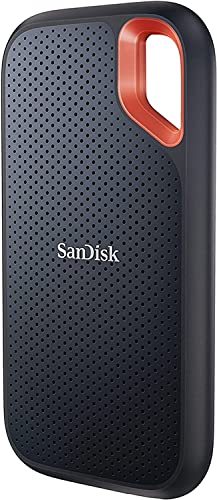 SanDisk 2TB Extreme Portable SSD |
| Check price on Amazon |
Our Top Picks
- WD 2TB Elements Portable External Hard Drive for2TB4.35 x 3.23 x 0.59 inches0.29 poundsCheck on Amazon
A music drive has to answer two different questions at once: how much lossless audio, sample content and project material it can hold, and how calmly it behaves when it sits beside a listening or recording setup all day. A drive that is fine for occasional backups can feel wrong as an everyday library drive if it is slow to browse, awkward to move between machines, or dependent on a separate power brick.
This guide serves collectors building a large lossless library, producers who carry sample libraries and session folders between computers, and listeners who simply want one quiet portable drive for a desk. Each pick below is a bus-powered external drive chosen from the capacity, interface and format details stated on its Amazon listing.
Quick Picks
As an Amazon Associate we earn from qualifying purchases
| Product | Best for | Key spec from title |
|---|---|---|
| WD 2TB Elements Portable External Hard Drive | Simple library storage on Windows and Mac desks | 2TB capacity |
| Seagate Portable 2TB External Hard Drive | Cross-platform library and backup use | 2TB capacity |
| WD 5TB My Passport Portable External Hard Drive | Very large lossless collections | 5TB capacity |
| SanDisk 2TB Extreme Portable SSD | Fast sample loading and travel between machines | Up to 1050MB/s read speed |
How to Choose
HDD or SSD for Sample Streaming
The first decision is mechanical disk or solid state. A portable hard drive such as the WD Elements, Seagate Portable or WD My Passport gives large capacity in a simple enclosure and suits a library that mostly plays back finished tracks. An SSD such as the SanDisk Extreme, rated on its listing at up to 1050MB/s read and 1000MB/s write, suits sample libraries and DAW projects where many files load in quick succession and waiting breaks the flow of a session.
Capacity for Lossless Libraries
Lossless files are far larger than compressed downloads, and sample libraries add up faster than most buyers expect. A 2TB drive holds a substantial personal collection plus working projects, while the 5TB My Passport exists for listeners whose archive keeps growing year after year. Count your current library, add the sample packs and project folders you realistically expect to keep, then buy the size that leaves clear headroom instead of filling the drive in its first month of regular use.
Bus Power or a Mains Adapter
Every drive in this guide draws power from the USB connection, so none of them needs a wall adapter or a spare outlet near the desk. That matters for music use because a portable library often moves between a desktop, a laptop and a second room. Bus power also keeps the setup quiet and tidy, with one cable to connect and nothing else to plug in. Before buying, confirm the listing describes the drive as portable and check what cable is included in the box.
Connection Type and Cable
Listings here use USB 3.0, USB 3.2 Gen 1 or USB-C with USB 3.2 Gen 2, and the cable in the box decides how easily a drive fits your machines. The Seagate Portable includes an 18-inch USB 3.0 cable, the My Passport includes a SuperSpeed USB-A cable, and the SanDisk Extreme uses USB-C. Match the connector to the ports on the computer that hosts your music software, and remember that an SSD only reaches its listed speed on a port that supports its interface.
The 4 Best Options
WD 2TB Elements Portable External Hard Drive
- Best for: Listeners who want simple, quiet library storage for a Windows or Mac desk
- Capacity: 2TB
- Model: WDBU6Y0020BBK-WESN
- Interface: SuperSpeed USB 3.2 Gen 1 and USB 3.0
- Format: Plug and play, formatted for Windows
Listeners who want simple, quiet library storage for a Windows or Mac desk
Check the formatting note on the listing if you plan to move the drive between Windows and Mac machines daily
The Elements Portable is the straightforward choice for a listener who wants a dedicated music drive without extra software or setup layers. Its listing describes a plug-and-play drive formatted for Windows, with Mac use covered by the same product family, so it fits a desk where the library simply needs room to grow. At 2TB it holds a large collection of lossless albums alongside everyday files, and its bus-powered design means one cable between the drive and the computer hosting your player.
Seagate Portable 2TB External Hard Drive
- Best for: A shared library that moves between a computer and other rooms or devices
- Capacity: 2TB mechanical hard disk
- Model: STGX2000400
- Interface: USB 3.0
- Included: 18-inch USB 3.0 cable and quick start guide
A shared library that moves between a computer and other rooms or devices
Confirm the included cable length suits your desk layout before ordering
Seagate positions this drive for PC, Mac, PlayStation and Xbox use, which makes it a natural fit for a music library that also travels between a computer and a living room setup. The listing includes an 18-inch USB 3.0 cable and a 1-Year Rescue Service, and the drive works by simple drag-and-drop file handling rather than a required software suite. For a collector whose listening happens in more than one place, that plain approach keeps the library portable and easy to maintain.
WD 5TB My Passport Portable External Hard Drive
- Best for: Very large lossless archives and long-term library backups
- Capacity: 5TB mechanical hard disk
- Model: WDBPKJ0050BBK-WESN
- Interface: USB 3.1 and USB 3.0 compatible
- Included: SuperSpeed USB-A cable rated at 5Gbps, quick start guide
Very large lossless archives and long-term library backups
The enclosure is thicker than the 2TB models, so check the listed dimensions if space beside your setup is tight
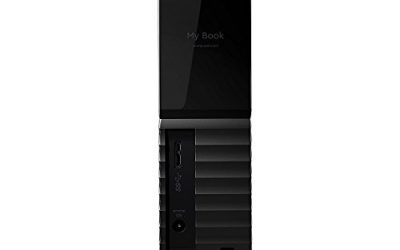
The My Passport answers the capacity question directly: 5TB in a portable enclosure that still runs from USB power alone. Its listing pairs that space with backup software and password protection, which suits an archive drive holding a lifetime of rips, downloads and project backups. The included SuperSpeed USB-A cable is rated at 5Gbps on the listing. For a collector who has already filled a smaller drive, this is the pick that postpones the next storage decision for a long time.
SanDisk 2TB Extreme Portable SSD
- Best for: Sample libraries, DAW projects and a library that travels between machines
- Capacity: 2TB solid state drive
- Model: SDSSDE61-2T00-G25
- Read speed: Up to 1050MB/s
- Write speed: Up to 1000MB/s
Sample libraries, DAW projects and a library that travels between machines
Full listed speed needs a USB 3.2 Gen 2 port, so check the ports on your main computer first
The Extreme Portable SSD is the working drive of this group, aimed at producers and listeners who load samples and projects directly from external storage. Its listing rates it at up to 1050MB/s read and 1000MB/s write over USB-C with USB 3.2 Gen 2, and adds IP65 water and dust resistance with a carabiner loop for travel between machines and rooms. With no moving parts, it also suits a quiet desk where the drive stays connected during listening and recording sessions.
Which One Fits Your Situation
You Keep a Lossless Collection at One Desk
Choose the WD Elements Portable if your library lives beside one main computer and you value a simple plug-and-play drive. Its 2TB capacity covers a large album collection with room for everyday files, and the single-cable setup keeps a listening desk uncluttered. Step up to the My Passport only if your archive is already pressing against that size.
Your Library Moves Between Rooms and Devices
Pick the Seagate Portable when the same collection is played from a computer and from other equipment around the home. The listing names PC, Mac, PlayStation and Xbox compatibility, and the included cable and drag-and-drop handling keep moves simple. It is the most flexible household option here for a shared music library.
You Produce Music and Load Samples Daily
Take the SanDisk Extreme Portable SSD for active production work. Its listed read and write speeds suit sample streaming and project loading far better than a mechanical drive, and the rugged IP65 housing tolerates being carried between a home setup and another workspace. Keep finished archives on one of the larger hard drives and work from this SSD.
Your Archive Keeps Outgrowing Smaller Drives
Choose the WD My Passport when capacity is the recurring problem. The 5TB of space holds years of lossless rips and downloads in one portable enclosure, and the bundled backup software and password protection fit an archive role. It is the sensible single purchase for a collector who is tired of splitting a library across several small drives.
Common Mistakes
- Buying capacity for a compressed library, then switching to lossless files and filling the drive within a year.
- Expecting an SSD to reach its listed speed through an older USB port that cannot support its interface.
- Storing the only copy of a music archive on one portable drive with no second backup anywhere.
- Ignoring the cable included in the box, then finding it too short or the wrong connector for the main computer.
- Reformatting a drive for a new machine without first copying the library somewhere safe.
Frequently Asked Questions
Is a hard drive or an SSD better for a music library?
For playback of finished tracks, a portable hard drive such as the WD Elements or Seagate Portable offers generous capacity and simple handling. For sample libraries and DAW projects that load many files quickly, an SSD such as the SanDisk Extreme is the better tool. Many listeners use an SSD for active work and a larger hard drive for the archive.
How much capacity does a lossless music library need?
It depends on how much of the collection is stored as lossless files rather than compressed downloads, and whether sample libraries share the drive. A 2TB drive suits many personal collections with headroom. A collector with years of rips and downloads, or large sample packs, should look at the 5TB My Passport instead of splitting the archive across smaller drives.
Can one external drive serve both Windows and Mac machines?
Yes, but formatting decides how smooth that is. The listings here name Windows formatting or Mac compatibility in different ways, so read the format note on the exact model before buying. If the drive will move between systems every day, plan the file system choice first and copy the library over once, rather than reformatting later and moving everything twice.
Does a portable drive need its own power supply?
The drives in this guide are bus powered, meaning they draw power through the USB cable and need no separate adapter. That keeps a music desk tidy and makes the library easy to carry between computers. Only larger desktop enclosures outside this portable class typically require their own mains power, so check the listing format whenever a drive is described as desktop rather than portable.
FAQ
Is a hard drive or an SSD better for a music library?
How much capacity does a lossless music library need?
Can one external drive serve both Windows and Mac machines?
Does a portable drive need its own power supply?
More from Amazon
Programs that pair well with the guide above. Offers and eligibility are set by Amazon and may change.
Free shipping on eligible items, Prime Video and more. Eligible new members can start with a free trial.
Start a Prime free trialAd-free music streaming. Eligible new subscribers can start with a free trial.
Try Music Unlimited freeA Prime membership for ages 18-24 with a trial period. Eligibility is set by Amazon.
See Prime for Young AdultsAudiobooks and podcasts to listen to on the go. Eligible new members can start with a free trial.
Try Audible freeAs an Amazon Associate we earn from qualifying purchases.