Finding the right XLR microphone for your streaming, podcasting, or gaming setup can be surprisingly difficult. Unlike USB mics that simply plug into a free port, XLR microphones require an audio interface or mixer to function, which adds cost and complexity. The payoff, however, is significant: better sound quality, lower noise floors, greater flexibility, and the ability to upgrade individual components of your audio chain as your needs evolve.
Our top picks
 RØDE PodMic Cardioid Dynamic Broadcast Microphone
- requires an audio interface or mixer with an…
- broadcast-quality dynamic capsule tuned for speech, rejects room…
- internal pop filter and shock mounting tame plosives…
 Shure MV7X XLR Dynamic Podcast & Recording
- PODCAST, STREAM & CREATE WITH CONFIDENCE: Whether you're…
- Dynamic cardioid microphone with integrated shock mount helps…
- Inspired by Shure’s legendary broadcast microphone heritage with…
 Shure SM57 Pro XLR Dynamic Instrument Microphone
- A contoured frequency response with a refined presence…
- Trusted by musicians and engineers worldwide, the Shure…
- FOCUSED, LOW-BLEED CAPTURE: A precise cardioid pickup pattern…
| Product | Key specs | |
|---|---|---|
| RØDE PodMic Cardioid Dynamic Broadcast Microphone | requires an audio interface or mixer with an… broadcast-quality dynamic capsule tuned for speech, rejects room… internal pop filter and shock mounting tame plosives… | Check price |
| Shure MV7X XLR Dynamic Podcast & Recording | PODCAST, STREAM & CREATE WITH CONFIDENCE: Whether you're… Dynamic cardioid microphone with integrated shock mount helps… Inspired by Shure’s legendary broadcast microphone heritage with… | Check price |
| Shure SM57 Pro XLR Dynamic Instrument Microphone | A contoured frequency response with a refined presence… Trusted by musicians and engineers worldwide, the Shure… FOCUSED, LOW-BLEED CAPTURE: A precise cardioid pickup pattern… | Check price |
 NEEWER NW-040 Cardioid Dynamic Microphone with XLR NEEWER NW-040 Cardioid Dynamic Microphone with XLR | 【Cardioid Dynamic Mic】 This dynamic microphone with an… 【Natural Audio Output】 With an extended frequency response,… 【Sturdy Metal Housing】 A rigid aluminum alloy housing… | Check price |
 Pyle Retro Microphone Pyle Retro Microphone | Connector: XLR (3-Pin), Mic Pattern: Unidirectional, Element: Dynamic… Enjoy a classic retro-style microphone and stand that… The stand features easy height adjustments from 49… | Check price |
 MAONO PD200W Hybrid Wireless Podcast Microphone for MAONO PD200W Hybrid Wireless Podcast Microphone for | Cut the Cables, Free to Pod - Dynamic… Simple Setup, Studio-Level Sounds - With a premium… Two Voices, One Perfect Conversation - PD200W supports… | Check price |
 MRSDY Wired XLR Microphone MRSDY Wired XLR Microphone | Sound Quality: The DY23 XLR microphone features a… Craftsmanship: The DY23 dynamic microphone features a sturdy,… Clear Sound: The DY23 vocal microphone features a… | Check price |
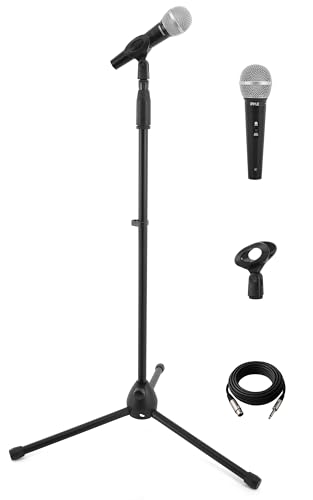 Professional Handheld Dynamic Microphone Kit Professional Handheld Dynamic Microphone Kit | The Pyle Unidirectional Dynamic Vocal Microphone is excellent… 16.4 FT POWER CABLE: Features 100% oxygen-free copper… Made of high-quality, strong and lightweight metal iron… | Check price |
As an Amazon Associate we earn from qualifying purchases at no extra cost to you.
This guide covers the best XLR microphones currently available for content creators, gamers, and musicians. We have selected options spanning different price ranges and use cases, from rugged instrument workhorses to broadcast-quality vocal mics. Whether you are building a dedicated home studio or simply upgrading from a basic USB setup, these picks represent the strongest values in their respective categories.
🛒 Best Price Today on Amazon
Prime members get fast, free shipping on everything above, plus member-only deals. New members get a 30-day free trial — cancel anytime.
Watch: Best Xlr Microphone: Top Picks Reviewed — Video Review
How to Choose an Xlr Microphone
- Microphone Type: Dynamic mics reject background noise and excel at isolating your voice in untreated rooms, making them ideal for streaming and gaming. Condenser mics capture more detail and a wider frequency range but require acoustic treatment.
- Audio Interface Compatibility: Ensure your interface or mixer provides enough gain for your chosen mic. Some dynamic XLR mics, particularly budget-friendly ones, have low output levels that require a clean preamp with significant gain headroom.
- Polar Pattern: Cardioid pickup patterns focus on sound directly in front of the mic while rejecting noise from the sides and rear. This is the preferred pattern for solo podcasting, streaming, and gaming setups.
- Build Quality: An all-metal chassis with a solid shock mount and robust grille will last for years and reduce handling noise. Cheaper plastic housings often introduce unwanted resonances and feel less professional on camera.
- Budget and Accessories: Factor in the total cost of your audio chain, not just the microphone itself. You will need an audio interface, an XLR cable, a boom arm or desk stand, and possibly a shock mount or pop filter to complete your setup.
The Best Xlr Microphones Reviewed
RODE PodMic
This dynamic broadcast microphone delivers a warm, rich vocal tone that punches well above its price bracket. Its integrated swing mount and all-metal construction make it a favorite for podcasters and streamers building a polished, professional-looking setup.
Shure MV7X
Building on the legendary SM7B platform, the MV7X offers voice-isolating technology and an all-metal build tuned specifically for podcasting and vocal recording. It provides excellent off-axis rejection and a tailored frequency response that makes voices sound immediately polished.
Shure SM57
A genuine industry standard for decades, the SM57 is a cardioid dynamic mic equally at home miking amps, drums, and instruments as it is capturing vocals. Its legendary durability and consistent performance make it a no-brainer for any studio or live setting.
Neewer NW-040
This budget-friendly cardioid dynamic microphone offers solid value with a unidirectional pickup pattern suitable for voice, podcasting, singing, and PC gaming. The rigid metal housing and included XLR cable make it a practical starter option for creators building their first XLR setup.
Pyle Retro Microphone
Combining classic vintage aesthetics with functional dynamic vocal performance, this Pyle mic includes a 49-69 inch swing stand and detachable head for flexible positioning. It is a solid choice for creators who want a distinctive on-camera look without sacrificing XLR connectivity.
Frequently Asked Questions
Do I need an audio interface for an XLR microphone?
Yes. XLR microphones cannot connect directly to a computer and require an audio interface or mixer to convert the analog signal to digital. Popular options include the RODECaster Pro, Focusrite Scarlett series, and Behringer U-Phoria line.
What is the difference between dynamic and condenser XLR microphones?
Dynamic microphones are less sensitive, reject background noise effectively, and are ideal for untreated rooms. Condenser microphones are more sensitive, capture finer detail, and are better suited for treated vocal booths and studio environments.
Can I use an XLR microphone for gaming and streaming?
Absolutely. Many top streamers use XLR setups for superior audio quality compared to USB alternatives. A dynamic XLR microphone paired with a decent interface will give you a professional sound that helps your channel stand out.
How much gain does my audio interface need for a dynamic XLR mic?
Most dynamic broadcast microphones require significant gain, often between 50 and 70 dB. Check your interface specifications before purchasing, and consider a device like the GoXLR or Cloudlifter if your interface lacks sufficient clean gain.
Final Thoughts
The Shure MV7X remains our top pick for most creators thanks to its tailored vocal sound and professional build quality. The RODE PodMic is an outstanding budget alternative that delivers broadcast characteristics at a lower price point, while the Shure SM57 is a must-have for musicians who need a reliable, versatile instrument microphone.