Key takeaways
- Software licensing over 5 years: $0
- Optional educational guidebooks (e.g., beginner guides): ~$8
- Estimated electrical impact: Minimal (low CPU load keeps overall system draw baseline lower).
- Total 5-Year Cost: $0 to $10
What's inside
Designing an ideal home game streaming setup involves much more than buying a comfortable ergonomic desk chair or mounting warm ambient lighting behind your monitors. For many creators, the real center of the home studio is the broadcast software running quietly in the background. When evaluating OBS Studio vs Streamlabs for PC game streaming, the decision directly impacts your home workspace environment—influencing PC hardware thermals, cooling fan noise, electrical power draw, screen layout clutter, and how smoothly your daily routine flows.
Every percentage point of CPU utilization or extra gigabyte of RAM overhead translates into real physical effects inside your room. A heavy software application forces PC fans to spin at higher RPMs, producing audible background hum that disrupts your room’s acoustics and adds localized ambient heat. Furthermore, software that demands multi-window layouts can dictate whether your desk requires a bulky dual-monitor arm or can maintain a clean, single-display minimalist footprint. Choosing the right software foundation ensures your home workspace remains calm, efficient, and visually organized.
As an Amazon Associate we earn from qualifying purchases at no extra cost to you. Product prices and availability are accurate as of the date shown and are subject to change.


Quick Verdict
OBS Studio is the premier choice for creators who want maximum hardware efficiency, total customization, and a whisper-quiet workstation. Its open-source design consumes minimal system resources (typically using under 300 MB of RAM and 1% to 3% idle CPU usage), keeping fan noise down and leaving maximum power for your games. It is completely free forever without paid feature gates.
Streamlabs (built on the OBS engine) is designed for convenience and rapid deployment. It consolidates alert overlays, tip jars, chat panels, and stream management into a single unified dashboard. While it consumes noticeably higher system resources (often requiring 800 MB to 1.5 GB of RAM and 8% to 15% CPU load at idle), it drastically reduces setup time for broadcasters who prefer an all-in-one software package over manual plugin configuration.
Side by Side
| Feature Metric | OBS Studio | Streamlabs |
|---|---|---|
| Workflow Comfort | High learning curve initially; modular docked panels allow a customized layout tailored to your screen setup. | Out-of-the-box simplicity; pre-integrated alert widgets and chat feeds ready in minutes. |
| Durability & Stability | Exceptional core stability; open-source code updated continuously by community developers. | Generally stable, but additional integrated web overlays can occasionally cause memory bloat over extended streams. |
| Price Range | 100% Free and open-source forever ($0/month). | Free basic tier; Streamlabs Ultra subscription costs $19/month ($149/year). |
| Maintenance & Updates | Manual plugin installation and occasional plugin compatibility checks required after major software updates. | Automated cloud sync; overlay settings and scenes back up automatically to your cloud account. |
| Space Needed (Resources) | Ultra-lightweight footprint (approx. 150–300 MB RAM idle, 1–3% CPU usage). | Moderate-to-heavy footprint (approx. 600–1500 MB RAM idle, 5–15% CPU usage). |
| Visual Look & UI | Clean, dark-mode, functional utility aesthetic with zero advertising clutter. | Modern, sleek graphical interface with built-in theme library and app store panels. |
| Hardware Longevity | Preserves older PC hardware and keeps room thermals lower by minimizing CPU wattage draw. | Requires stronger mid-to-high-tier system specs to avoid frame drops and elevated PC temperatures. |
| Best For | Power users, minimalist desk setups, multi-track audio routing, and resource-conscious gamers. | Newer streamers, single-monitor setups, and creators wanting turnkey alerts and tipping tools. |
Where Obs Studio Wins
OBS Studio shines brightest in resource management and hardware performance. As we look at room ergonomics in 2026, keeping your home office cool and quiet remains a priority for long broadcast sessions. Because OBS Studio is stripped of unnecessary background web frameworks, your graphics processing unit (GPU) and processor can dedicate their wattages directly to running high-frame-rate PC games. In a typical home office setup, a 50-watt reduction in PC power draw translates directly to lower ambient room temperatures over a four-hour stream, preventing small bedrooms or enclosed studies from becoming uncomfortably warm.
Customization is another area where OBS Studio excels. You can tailor your screen real estate precisely to your desk layout. If you want a distraction-free physical workspace, OBS Studio allows you to dock docking panels into a streamlined window, perfect for a ultra-wide single monitor. New users who want to master this architecture quickly often consult guides like OBS Studio for Beginners: Record, Stream, and Look Professional With Free Software ($8.16), which walks through scene building and audio routing step-by-step.
Furthermore, OBS Studio integrates seamlessly with physical desktop controllers. By pairing the software with dedicated shortcut devices—such as the VSD M18 Macro Pad Programmable Keypad, Stream Controller Streaming Deck ($54.99) or the fifine D6 RGB Macro-Keyboard with 15 Programable Buttons for Multi-Tasking ($64.99)—you can trigger complex scene transitions, mute microphones, and adjust virtual audio cables without needing extra software running in your taskbar. This hands-on tactile control keeps your main display uncluttered, preserving clean lines across your desk setup.
Where Streamlabs for Pc Game Streaming Wins
Streamlabs captures the advantage when it comes to speed, visual aesthetics out of the box, and setup convenience. If you want to transform your gaming corner into a fully functional broadcast studio in less than twenty minutes, Streamlabs eliminates the friction of finding, downloading, and configuring external browser sources or alert widgets. Built-in overlay libraries allow you to select professionally designed graphics themes that match your room’s interior decor or ambient lighting scheme with a single click.
The consolidated dashboard format is particularly helpful for creators operating from a single monitor on a compact desk setup. Having your live chat, recent tipping events, stream preview, and audio mixer embedded into a single window means you do not have to tile three or four floating utility windows across your screen. This reduces visual fatigue and makes stream management intuitive during fast-paced gameplay.
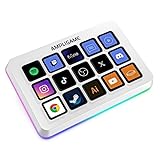
For gamers who value a cohesive, polished desktop presentation, Streamlabs also complements modern, styled hardware aesthetics. Pairing a clean, styled software dashboard with pristine white desktop accessories—like the fifine D6W Gaming Macro-Keyboard with 15 Programable Display Buttons White ($65.99)—creates an inviting, organized workspace that feels curated rather than cluttered.
Cost Over 5 Years
When calculating the true cost of software for your home office over a five-year lifespan, software subscriptions and electricity draw both play a role.
OBS Studio Ownership Costs:
- Software licensing over 5 years: $0
- Optional educational guidebooks (e.g., beginner guides): ~$8
- Estimated electrical impact: Minimal (low CPU load keeps overall system draw baseline lower).
- Total 5-Year Cost: $0 to $10
Streamlabs Ownership Costs:
- Software licensing (Free tier): $0
- Streamlabs Ultra subscription ($149/year over 5 years): $745
- Estimated electrical impact: Slight premium due to higher background CPU/GPU system usage (adding roughly 15–30 watts of continuous system load depending on active widgets, equal to roughly $5–$15 per year in power depending on local electricity rates).
- Total 5-Year Cost: $0 (Free version) to ~$800 (with Ultra subscription & power overhead)
Which One for Your Home
Small Apartment / Compact Setup
In a compact apartment or converted bedroom workspace, managing thermal output and acoustic noise is crucial. OBS Studio is the recommended choice here. Its lean system consumption keeps your computer’s cooling fans running at silent or low speeds, preventing small rooms from overheating during multi-hour gaming streams. Furthermore, its minimal screen resource needs let you stream comfortably on a single 24-inch or 27-inch monitor without cluttering your physical workspace with secondary displays.
Family with Kids or Pets
For home creators who share their living space with family, pets, or frequent daily interruptions, Streamlabs offers distinct advantages. Its cloud-based backup settings ensure that if a pet accidentally knocks a power cable loose or a child disrupts your system mid-setup, your scene layouts, alerts, and custom widgets instantly restore from the cloud upon reboot. The all-in-one interface also allows parents to start a stream quickly during nap times or quiet evening hours without spending precious minutes troubleshooting multi-layered plugin chains.
Rental Property / Temporary Setup
If you live in a rental property or frequently relocate your desk setup between rooms, Streamlabs excels at portable deployment. Because your overlay settings, alert boxes, and scene assets are stored in your online account, you can log into Streamlabs on a laptop, desktop, or secondary secondary rig without needing to manually copy local scene files, JSON configs, or asset folders across hard drives.
Long-Term Home Studio
If you are designing a permanent home studio with dedicated acoustic soundproofing, custom cable routing, and multi-monitor setups, OBS Studio is the definitive long-term solution. It provides complete control over multi-track audio routing (separating game sound, Spotify, Discord, and mic audio for post-production editing), supports specialized hardware control decks, and guarantees full software freedom without paywalls or forced feature updates. It grows alongside your studio hardware over years of upgrades.
FAQ
Does Streamlabs use significantly more CPU and RAM than OBS Studio?
Yes. Streamlabs runs on top of an Electron application framework to render its built-in web dashboards and widgets. This typically results in 2 to 4 times higher RAM consumption and an additional 5% to 12% CPU overhead compared to standard OBS Studio under identical streaming resolutions.
Can I transfer my scenes and alerts from Streamlabs to OBS Studio?
Yes. OBS Studio includes an automated scene collection importer that can read your local Streamlabs scene files. However, while scene layouts and camera sources import easily, custom browser alerts managed through Streamlabs will still require you to paste their respective browser source URLs directly into OBS Studio.
Do I need physical macro keypads to run these software programs efficiently?
While physical keypads are not strictly required, macro controllers significantly improve your workflow. Using a dedicated controller lets you change scenes, toggle overlays, or adjust volume feeds instantly without alt-tabbing out of your game or bringing heavy software windows to the foreground of your screen.
Will my choice of streaming software affect my room’s power draw and temperature?
Indirectly, yes. Software that demands higher CPU and GPU utilization causes your PC power supply to draw more wattage from the wall outlet. Over several hours, this extra wattage releases as heat into your room, raising ambient temperatures in smaller home offices and causing PC cooling fans to run significantly louder.