Key takeaways
- Software Licensing: Game overlays come bundled for free with GPU driver software (NVIDIA, AMD) or the operating system (Windows Xbox Game Bar). Open-source standalone suites like OBS Studio are also free, though premium options (like Streamlabs Ultra or Bandicam) run between $30 and $60 annually ($150–$300 over 5 years).
- Energy Consumption: Assuming 15 hours of weekly recording or streaming over 5 years, the lightweight footprint of an overlay (saving ~30W system draw on average) saves approximately 117 kWh of electricity. Depending on local utility rates ($0.15–$0.30 per kWh), this saves roughly $18 to $35 over five years.
- Hardware Longevity: Lower overall thermal stress preserves component health. Keeping internal CPU/GPU temperatures 5°C cooler reduces thermal cycling stress on silicon substrates, VRMs, and liquid cooling pumps, helping extend your PC build’s usable lifecycle.
When designing a streamlined home office or gaming workspace, hardware footprint isn’t the only metric that dictates your environment. System thermals, fan acoustics, power draw, and desktop clutter play equally massive roles in shaping how a room feels during an extended gaming or recording session. Selecting the right capture method is a fundamental choice for content creators and casual gamers alike: evaluating pc game overlays vs standalone recording software performance comes down to balancing low-overhead background efficiency against deep, broadcast-grade control.
On one side, integrated GPU game overlays—such as NVIDIA ShadowPlay/App, AMD Software Adrenalin, and Xbox Game Bar—run silently in the background, leveraging built-in hardware encoders directly on your graphics card. On the other side, dedicated standalone applications like OBS Studio, Streamlabs, and Bandicam process complex canvas compositing, custom overlays, and multi-track audio routing. The real decision a home user faces isn’t just about output video quality; it is about how much background CPU/GPU load your setup can endure without causing system stutter, spiking fan noise in your living space, or adding unnecessary friction to your daily workflow.
Our top picks



As an Amazon Associate we earn from qualifying purchases at no extra cost to you. Ratings are shown as listed on Amazon.
Quick Verdict
If your primary goal is effortless, zero-setup clip capture with maximum frame rates and whisper-quiet PC fans in a compact home space, GPU-integrated pc game overlays are the clear winner. They consume negligible RAM (100–200 MB), cause minimal frame drops (1% to 3%), and keep system wattage draw low. However, if you are building a dedicated home production studio requiring multi-track audio separation, green screen keying, high-bitrate scene switching, and custom overlay integration, standalone recording software remains unbeatable, provided your system has the thermal headroom and hardware capacity to handle the additional 5% to 15% performance overhead.
Side by Side
| Feature / Dimension | PC Game Overlays | Standalone Recording Software |
|---|---|---|
| System Comfort (Resource Burden) | Ultra-low; 100–250 MB RAM, 1–3% FPS drop | Moderate to High; 600–1,500 MB RAM, 5–15% FPS drop |
| Capture Stability & Durability | High driver integration; rare application crashes | High flexibility; vulnerable to scene/plugin conflicts |
| Price Range | Free (bundled with GPU drivers / OS) | Free (Open Source) to $60/year for pro suites |
| Maintenance & Setup | Zero setup; simple hotkey toggles | High maintenance; manual audio routing & scene management |
| Space Needed (Digital & Physical) | Minimal HUD presence; single monitor recommended | Multi-monitor setup preferred for canvas management |
| Visual Interface & Customization | Basic HUD elements; rigid placement | Unlimited custom scenes, alerts, overlays, & widgets |
| Thermal & Power Impact | Low (adds 10–20W load on dedicated hardware encoder) | Moderate-High (adds 35–65W extra CPU/GPU system load) |
| Best For | Casual clipping, quick highlights, space-constrained setups | Pro streaming, multi-channel podcasts, layered recording |
Where Pc Game Overlays Wins
Integrated game overlays excel by operating directly at the GPU driver layer. Because features like NVIDIA’s share overlay or AMD’s ReLive tap into fixed-function hardware encoders (NVENC or AMF) already built into your silicon, they offload video encoding away from main graphics execution pipelines and system memory. In terms of raw pc game overlays vs standalone recording software performance, this architecture translates into minimal system strain.
In a home environment, hardware efficiency directly affects ambient room comfort. A system running a driver overlay typically sees GPU power draw rise by only 10 to 20 watts during 1440p or 4K capture at 60 FPS, maintaining low thermal output. Your PC’s cooling fans remain at baseline speeds (often below 1,200 RPM), preserving a quiet, peaceful home office atmosphere. There is no need for secondary monitors or complex desktop layouts to monitor recording status—a subtle on-screen status icon gives you immediate visual confirmation without cluttering your digital workspace.
This minimalist approach mirrors physical workspace organization tools. Just as keeping small, physical tracking tools like the 4 Pcs Mahjong Line Finder with Rules Helper Reader ($15.99) nearby helps maintain focus on a table without overwhelming the playing surface, a lightweight software overlay delivers high-value visual feedback without hijacking your system’s operational canvas. Quick keyboard shortcuts allow instant replay saves (buffering the last 30 seconds to 20 minutes in system RAM) with zero setup required before launcher boot.
Where Standalone Recording Software Performance Wins
While overlays win on raw resource management, standalone suites dominate when production depth and control are non-negotiable. Software like OBS Studio converts your PC into a virtual production switcher. Instead of simply recording whatever is displayed on your screen, standalone software lets you build isolated scenes, capture specific application windows independently, apply VST audio filters, and route multi-track audio streams (separating voice chat, game audio, and microphone inputs into distinct tracks for post-production editing).
This advanced capability demands a higher hardware overhead. Standalone software performs full real-time canvas rendering, dynamic scaling, and software audio mixing. Depending on whether you choose CPU-based x264 encoding or GPU hardware acceleration, standalone suites can increase system power draw by 35 to 65 watts, raising internal case temperatures by 4°C to 8°C and forcing cooling fans to spin faster. For content creators with dedicated desk setups, this trade-off is well worth the extra thermal footprint.
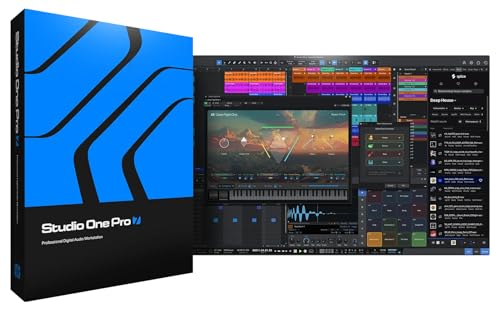
Standalone recording environments seamlessly integrate into pro-tier media workflows. Creators who manage dedicated home recording studios often pair standalone capture software with professional audio pipelines like PreSonus Studio One Pro 7 Music Production Software ($109.95) for advanced post-production mixing, or deploy hardware tuning platforms like the IK Multimedia ARC Studio Room Correction System ($349.99) to ensure clean acoustic capture in untreated home offices. Managing all the associated micro-USB cables, acoustic measurement microphones, and stream deck dongles can quickly create physical clutter; keeping accessories organized with JARLINK A4 Mesh Zipper Pouch Bags ($24 Pcs, $13.29) ensures your physical workstation stays as clean and disciplined as your digital scene collection.
Cost Over 5 Years
Evaluating long-term value requires looking beyond software purchase prices to consider hardware wear and electricity consumption over a five-year lifecycle.
- Software Licensing: Game overlays come bundled for free with GPU driver software (NVIDIA, AMD) or the operating system (Windows Xbox Game Bar). Open-source standalone suites like OBS Studio are also free, though premium options (like Streamlabs Ultra or Bandicam) run between $30 and $60 annually ($150–$300 over 5 years).
- Energy Consumption: Assuming 15 hours of weekly recording or streaming over 5 years, the lightweight footprint of an overlay (saving ~30W system draw on average) saves approximately 117 kWh of electricity. Depending on local utility rates ($0.15–$0.30 per kWh), this saves roughly $18 to $35 over five years.
- Hardware Longevity: Lower overall thermal stress preserves component health. Keeping internal CPU/GPU temperatures 5°C cooler reduces thermal cycling stress on silicon substrates, VRMs, and liquid cooling pumps, helping extend your PC build’s usable lifecycle.
Which One for Your Home
Small Apartment or Shared Space
In a small studio apartment or shared living room where thermal dissipation and noise control are top priorities, GPU game overlays are the ideal choice. Their ultra-low hardware utilization keeps system temperatures low, preventing fan noise from disrupting housemates or muddying open-air microphone audio during late-night gaming sessions.
Family Home with Kids or Pets
For family environments where desktop time is fragmented and quick setup is paramount, overlays provide a frictionless experience. You do not need to check scene sources, configure window hooks, or monitor second screens before playing. Hitting a quick hotkey instantly captures organic moments without needing a delicate desktop layout that could be easily disrupted.
Rental Property Desk Setup
In a rental property where space constraints or lighting modifications prevent setting up physical camera rigs and multi-monitor arms, overlays keep digital clutter to a minimum. A single clean monitor running an integrated overlay delivers smooth 1080p or 1440p highlights without requiring secondary display management or complex cable routing.
Dedicated Long-Term Home Office/Studio
As remote work and content creation continue to mature in 2026, a dedicated home office equipped with sound treatment, custom lighting, and multi-monitor setups benefits immensely from standalone recording software. The elevated hardware power draw and fan activity are easily managed by a high-airflow desktop chassis, unlocking uncompressed video bitrates, multi-track audio isolation, and broadcast-ready customization.
FAQ
Do PC game overlays reduce game FPS more than standalone recording software?
No, PC game overlays generally impact game FPS significantly less than standalone recording software. Built-in GPU overlays directly utilize onboard hardware encoders, causing a minor 1% to 3% drop in frame rates, whereas standalone suites like OBS Studio require extra canvas compositing that can cause a 5% to 15% FPS reduction depending on settings.
Can I record multi-track audio using GPU game overlays?
Most GPU game overlays offer basic dual-track audio separation (splitting your system audio from your microphone input into separate audio tracks). However, they cannot isolate individual application audio channels—such as separating Discord voice chat, Spotify playback, and game audio—which requires standalone recording software with custom virtual audio routing.
Why does my PC run hotter when using standalone recording software?
Standalone recording software renders full visual scenes, captures window handles, and processes real-time canvas transforms before encoding video. This places extra load on both CPU cores and main GPU compute pipelines, increasing system power draw by 35 to 65 watts and raising thermal output compared to lightweight driver overlays.
Is standalone recording software necessary if I only want to save gameplay clips?
No. If your primary goal is saving short gameplay clips or instant replays (such as saving the last 2 minutes of gameplay), GPU game overlays are significantly more efficient. Standalone software is best reserved for structured multi-scene recording, live broadcasting with screen overlays, or multi-cam video creation.