Key takeaways
- 240 g (2 cups) plain flour or all-purpose flour
- 25 g (2 tablespoons) granulated sugar
- 2 teaspoons baking powder
- ½ teaspoon baking soda
- ½ teaspoon fine salt
- 360 ml (1½ cups) buttermilk
- 2 large eggs, lightly beaten
- 45 g (3 tablespoons) unsalted butter, melted and cooled slightly
- 1 teaspoon vanilla extract
- 1–2 teaspoons butter or neutral oil for the pan
For an easy pancake recipe homemade fluffy every time, whisk 240 g (2 cups) plain flour, 25 g (2 tablespoons) sugar, 2 teaspoons baking powder, ½ teaspoon baking soda, and ½ teaspoon salt with 360 ml (1½ cups) buttermilk, 2 large eggs, 45 g (3 tablespoons) melted butter, and 1 teaspoon vanilla, then cook each pancake on a medium-low skillet for about 2–3 minutes per side.
Our top picks
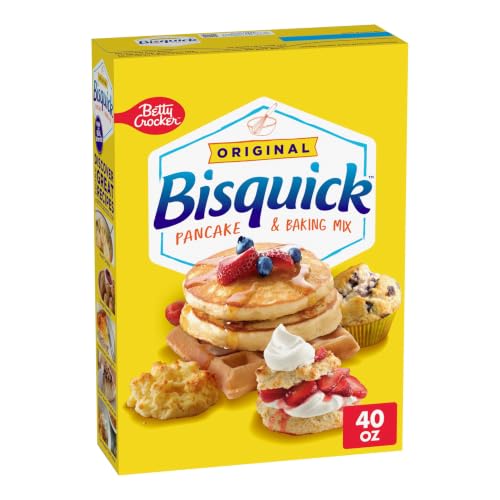
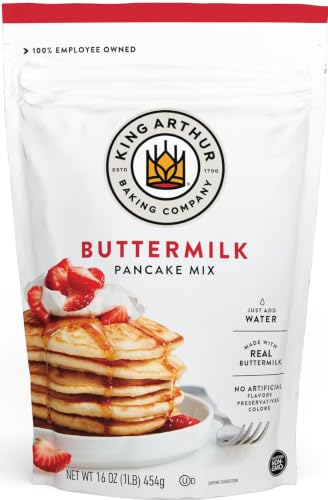

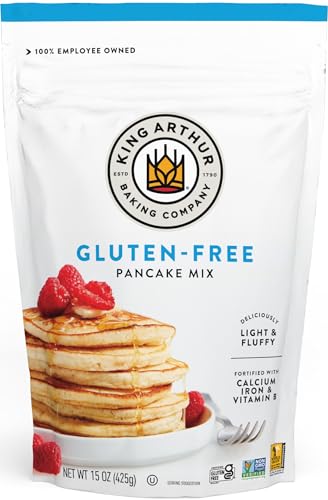
As an Amazon Associate we earn from qualifying purchases at no extra cost to you. Ratings are shown as listed on Amazon.
Easy Pancake Recipe: Homemade and Fluffy Every Time
This recipe makes approximately 10–12 pancakes, depending on whether you use a 60 ml (¼-cup) or 80 ml (⅓-cup) scoop. The key is not simply adding more raising agent: fluffy pancakes come from balanced ingredients, gentle mixing, and controlled heat.
Ingredients
- 240 g (2 cups) plain flour or all-purpose flour
- 25 g (2 tablespoons) granulated sugar
- 2 teaspoons baking powder
- ½ teaspoon baking soda
- ½ teaspoon fine salt
- 360 ml (1½ cups) buttermilk
- 2 large eggs, lightly beaten
- 45 g (3 tablespoons) unsalted butter, melted and cooled slightly
- 1 teaspoon vanilla extract
- 1–2 teaspoons butter or neutral oil for the pan
If you do not have buttermilk, stir 1 tablespoon of lemon juice or white vinegar into 360 ml milk. Leave it for 5–10 minutes before using. The acidity helps the baking soda produce carbon dioxide, which creates small bubbles in the batter and contributes to a lighter texture.
Why These Measurements Work
The recipe uses 240 g flour and 360 ml liquid, giving a liquid-to-flour ratio of 1.5 by volume. That produces a thick, pourable batter rather than a runny one. The 2 teaspoons of baking powder provide most of the lift, while ½ teaspoon baking soda reacts with the buttermilk. Increasing the flour without increasing the liquid makes dense pancakes; adding much more liquid produces thin pancakes that spread too quickly.
| Ingredient or step | Amount or setting | What it does |
|---|---|---|
| Plain flour | 240 g | Provides structure without making the pancakes overly heavy |
| Buttermilk | 360 ml | Hydrates the flour and activates the baking soda |
| Baking powder | 2 teaspoons | Adds lift during cooking |
| Baking soda | ½ teaspoon | Reacts with the acidic buttermilk and improves browning |
| Pan temperature | Medium-low, about 160–175°C | Lets the center cook before the outside becomes too dark |
| Cooking time | 2–3 minutes, then 1–2 minutes | Sets the first side and finishes the center after turning |
Step-by-Step Method
1. Combine the dry ingredients
Add the flour, sugar, baking powder, baking soda, and salt to a large bowl. Whisk for about 20 seconds so the raising agents and salt are distributed evenly. This matters because pockets of baking soda can taste bitter and cause uneven rising.
2. Mix the wet ingredients
In a separate bowl or jug, whisk together the buttermilk, eggs, melted butter, and vanilla. Make sure the melted butter is warm rather than hot. Very hot butter can partially cook the eggs and create small lumps.
3. Make a lumpy batter
Pour the wet mixture into the dry ingredients. Fold with a whisk or spatula just until no large areas of dry flour remain. A few pea-sized lumps are desirable. Overmixing develops gluten, which makes pancakes chewy and flat rather than tender and fluffy.
For consistent portions, use a 60 ml (¼-cup) measure for medium pancakes or an 80 ml (⅓-cup) measure for larger ones. Let the batter rest for 5–10 minutes. This gives the flour time to hydrate and allows some bubbles to form before cooking. Do not leave a buttermilk batter at room temperature for hours, because the raising agents will gradually lose effectiveness.
4. Preheat the pan correctly
Place a nonstick or well-seasoned cast-iron skillet over medium-low heat for 3–5 minutes. Add a thin film of butter or oil, then wipe away excess with a paper towel. Too much fat fries the edges and can cause uneven browning.
If you have an infrared thermometer, aim for approximately 160–175°C across the cooking surface. Without one, test with a drop of batter: it should sizzle gently and begin browning after roughly 60–90 seconds. If it darkens in under 45 seconds, lower the heat. If it remains pale and wet after 2 minutes, raise the heat slightly.
5. Cook the pancakes
Pour one measured portion of batter into the pan. Leave space between pancakes so heat can circulate and flipping is easy. Cook for about 2–3 minutes, watching for bubbles to rise and the edges to look set. The first side is ready when several bubbles have burst and the surface is no longer glossy around the edges.
Slide a wide spatula fully underneath and turn the pancake in one confident motion. Cook the second side for 1–2 minutes, until golden brown and springy when pressed lightly. Avoid pressing down with the spatula, because this squeezes out the steam that helps keep the center airy.
Adjust the heat after the first pancake. It is normal for the first one to act as a temperature test. Wipe out any dark butter between batches, add another small amount of fat, and continue with the same portion size.
Quick Decision Guide for Batter and Heat
| What you see | Likely cause | Next adjustment |
|---|---|---|
| Batter spreads into a very thin circle | Too much liquid or excessive mixing | Fold in 1 tablespoon flour and rest for 5 minutes |
| Batter barely spreads and stays doughy | Too much flour or flour packed into the cup | Fold in 1 tablespoon buttermilk at a time |
| Outside is dark while center is wet | Pan is too hot | Reduce to medium-low and cook longer |
| Pancakes are pale and dry | Heat is too low or batter is overcooked | Increase heat slightly and remove them when just set |
| Pancakes are flat but cooked through | Old raising agents or overmixed batter | Use fresh baking powder and fold only until combined |
| Uneven brown patches appear | Excess butter or an uneven pan surface | Use a thin wiped-on layer of oil or butter |
How to Keep Pancakes Light
- Measure flour by weight when possible. A measuring cup packed with flour can contain substantially more than 120 g, making the batter too thick. If using cups, spoon flour into the cup and level it rather than scooping directly from the bag.
- Do not beat for a smooth batter. Small lumps disappear during cooking. Smooth batter usually means the mixture has been worked too much.
- Do not flatten the pancakes. The trapped steam and gas bubbles provide much of the final height.
- Cook in batches without overcrowding. Adding too many pancakes cools the pan and makes browning inconsistent.
- Serve or hold them gently. Keep cooked pancakes in a single layer on a wire rack, or place them in a 90°C oven for up to 20 minutes. Stacking them tightly can soften the crisp edges through trapped steam.
Simple Variations
For blueberry pancakes, scatter 2–3 blueberries over each pancake immediately after pouring the batter rather than stirring many berries into the bowl. This prevents the berries from breaking and keeps portions consistent. For chocolate-chip pancakes, use up to 75 g chocolate chips and reduce the sugar slightly if desired.
To make whole-wheat pancakes, replace up to 120 g of the plain flour with whole-wheat flour and add 1–2 tablespoons extra buttermilk if the batter becomes stiff. Replacing all the flour at once can produce heavier pancakes because whole-wheat flour absorbs more liquid and contains more bran.
Storage and Reheating
Cool leftovers completely, place baking paper between them, and refrigerate in a sealed container for up to 3 days. For longer storage, freeze them in a single layer first, then transfer them to a freezer-safe container for up to 2 months.
Reheat refrigerated pancakes in a toaster or dry skillet until warm. Frozen pancakes can go directly into a toaster on a medium setting, or into a 160°C oven for approximately 8–10 minutes. Avoid microwaving for too long, since it can make the texture rubbery.
Frequently Asked Questions
Can I make the batter the night before?
It is better to mix the dry and wet ingredients separately and combine them just before cooking. Once buttermilk contacts the baking soda and baking powder, some of the leavening reaction begins. Overnight batter is more likely to produce flatter pancakes.
Why are my pancakes not fluffy in the middle?
Check the pan temperature first. A very hot pan browns the outside before the center sets. If the temperature is correct, check that the flour was measured accurately and that the batter was not overmixed. Very large pancakes can also remain wet in the center, so use a 60–80 ml portion until the cooking time is consistent.
Can I use regular milk instead of buttermilk?
Yes. Use the same 360 ml quantity, but add 1 tablespoon lemon juice or vinegar and allow it to stand for 5–10 minutes. This provides the acidity needed to react with the baking soda and preserves the recipe’s intended balance.