Key takeaways
- Core Count: Match your core count to your workload. Six cores handle mainstream gaming comfortably, while eight-core X3D chips dominate high-refresh 1080p. Reserve 16-core parts for systems that also handle rendering, video editing, or heavy multitasking alongside gaming.
- 3D V-Cache: Prioritize X3D SKUs if your primary goal is gaming performance. The extra L3 cache dramatically improves 1% lows and average frame rates in CPU-bound titles, often outpacing chips that cost far more in raw clock speed.
- Cooling Requirements: Factor in the thermal profile. Standard Ryzen 9000 chips ship with Wraith coolers on lower SKUs, but X3D and X-series parts run hotter and tighter; budget for a quality 240mm or 360mm AIO to hit boost clocks consistently.
- Platform Longevity: Check motherboard compatibility before buying. AMD’s AM5 socket supports DDR5 only and requires a 600-series chipset board; confirm the BIOS is updated to support the specific Ryzen 9000 CPU you select.
- Price-to-Performance: Resist the urge to max out the stack. A mid-range X3D chip paired with a stronger GPU will consistently outperform a top-tier CPU paired with a mid-range card in actual gameplay at 1440p and 4K.
Finding the right AMD Ryzen processor for your gaming rig has never been more challenging. With AMD’s product stack now spanning from budget-friendly six-core chips to enthusiast-grade 16-core behemoths featuring stacked 3D V-Cache, buyers face a genuine dilemma: overspend on cores you will never use in games, or skimp on cache and watch frame rates tank in CPU-bound titles like Cyberpunk 2077, Stellaris, and Microsoft Flight Simulator. Layer on the confusion between standard X-series chips, X3D variants, and specialized dual-edition SKUs, and it is easy to see why even experienced builders second-guess their choices.
Our top picks


As an Amazon Associate we earn from qualifying purchases at no extra cost to you.
This guide cuts through the spec-sheet noise. We focus on AMD’s latest Ryzen 9000-series lineup and the X3D-equipped derivatives that matter most for PC gaming, spotlighting the chips that deliver the best frame rates per dollar. Whether you are chasing maximum framerate at 1080p with a high-end GPU, building a sleeper system on a tight budget, or putting together a do-everything workstation that also games, the recommendations below cover the field. Keep reading for in-depth reviews of the top contenders, a practical buying checklist, and answers to the questions buyers ask most.
🛒 Best Price Today on Amazon
Prime members get fast, free shipping on everything above, plus member-only deals. New members get a 30-day free trial — cancel anytime.
Watch: Amd Ryzen 9850: Review & Buyer’s Guide — Video Review
How to Choose an Amd Ryzen 9850
- Core Count: Match your core count to your workload. Six cores handle mainstream gaming comfortably, while eight-core X3D chips dominate high-refresh 1080p. Reserve 16-core parts for systems that also handle rendering, video editing, or heavy multitasking alongside gaming.
- 3D V-Cache: Prioritize X3D SKUs if your primary goal is gaming performance. The extra L3 cache dramatically improves 1% lows and average frame rates in CPU-bound titles, often outpacing chips that cost far more in raw clock speed.
- Cooling Requirements: Factor in the thermal profile. Standard Ryzen 9000 chips ship with Wraith coolers on lower SKUs, but X3D and X-series parts run hotter and tighter; budget for a quality 240mm or 360mm AIO to hit boost clocks consistently.
- Platform Longevity: Check motherboard compatibility before buying. AMD’s AM5 socket supports DDR5 only and requires a 600-series chipset board; confirm the BIOS is updated to support the specific Ryzen 9000 CPU you select.
- Price-to-Performance: Resist the urge to max out the stack. A mid-range X3D chip paired with a stronger GPU will consistently outperform a top-tier CPU paired with a mid-range card in actual gameplay at 1440p and 4K.
The Best Amd Ryzen 9850s Reviewed
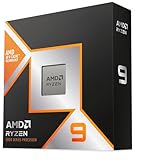
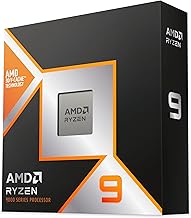
AMD Ryzen 9 9950X3D
The flagship 16-core X3D processor marries workstation-class multithreaded muscle with the gaming benefits of stacked V-Cache, making it the uncompromising choice for creators who refuse to sacrifice frame rates. It is expensive and power-hungry, but no other consumer CPU spans both worlds as effectively.
AMD Ryzen 9 9950X3D2 Dual Edition
This dual-chiplet variant doubles down on V-Cache placement across both CCDs, delivering exceptionally consistent frame pacing in cache-sensitive titles and eliminating the scheduling quirks found in single-CCD X3D designs. It is a niche pick aimed squarely at ultra-enthusiasts chasing maximum smoothness at high refresh rates.
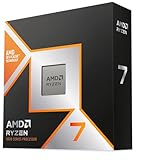
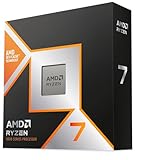
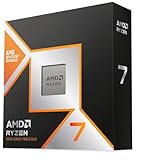
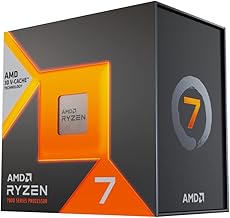
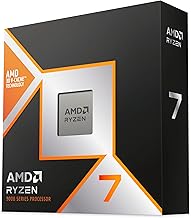
AMD Ryzen 7 9850X3D
The eight-core X3D sweet spot hits where most gamers actually live, delivering top-tier 1080p and 1440p frame rates without the premium of the 16-core flagship. For pure gaming builds paired with high-end GPUs, it is the most sensible pick in the lineup.
AMD Ryzen 9 9950X
Without X3D, this 16-core beast leans hard into productivity performance, trading blows with workstation chips while still delivering strong gaming numbers. Choose it when your rig earns its keep rendering or compiling, and gaming is a secondary concern.
AMD Ryzen 5 9600X
Six cores and twelve threads keep this chip remarkably affordable while still pushing solid single-threaded performance for mainstream 1080p gaming. It is the value play of the Ryzen 9000 family for budget builders who want modern architecture without the X3D tax.
Frequently Asked Questions
Is X3D worth it for gaming?
Yes, if your priority is maximum framerate, especially at 1080p with a powerful GPU. The added L3 cache measurably improves average frame rates and, more importantly, tightens 1% lows for smoother gameplay in CPU-bound titles.
Do I need 16 cores for gaming?
No. Most current games saturate six to eight cores effectively and rarely benefit beyond that. A 16-core chip makes sense only if your system also handles heavy productivity workloads like video editing, 3D rendering, or virtualization alongside gaming.
Will a budget Ryzen 5 bottleneck a high-end GPU?
At 1440p and 4K, GPU bottlenecks dominate and mask CPU limitations. At 1080p with competitive settings, a six-core Ryzen 5 may limit frame rates in CPU-heavy games, but the impact shrinks as resolution climbs.
Do these processors need a new motherboard?
Ryzen 9000-series chips require an AM5 motherboard with a 600-series chipset and DDR5 memory. Most boards need a BIOS update to recognize the latest CPUs, so check the manufacturer’s compatibility list before installing.
Final Thoughts
For most builders, the AMD Ryzen 7 9850X3D is the standout pick, balancing elite gaming performance with a price that leaves room for a strong GPU. If you need serious multithreaded horsepower for productivity, the Ryzen 9 9950X3D is the upgrade path of choice. Budget-conscious gamers should look to the Ryzen 5 9600X, which delivers dependable modern-architecture performance without straining the wallet.