Choosing the best 1440p gaming monitor in 2026 is trickier than ever. The resolution has become the sweet spot for most PC gamers, balancing visual fidelity with performance, but the market is now saturated with options ranging from budget IPS panels to high-refresh QD-OLED displays. With graphics cards like the RTX 50-series and RX 9000-series pushing frame rates well beyond 200 fps at 1440p, finding a monitor that keeps up without introducing motion blur, tearing, or color compromise is a real challenge.
Our top picks
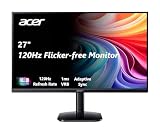
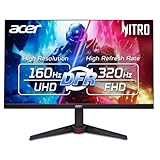
 Acer Nitro 27in QHD 2560x1440 IPS 180Hz
- Quality Visuals: The KG271U 27" IPS monitor with…
- AMD FreeSync Technology: Say “goodbye” to stuttering and…
- Up to 180Hz: The 180Hz refresh rate speeds…
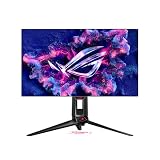
 ASUS TUF Gaming 27” 1440P HDR Monitor
- High-Resolution QHD Gaming Display: 27-inch QHD (2560 x…
- ASUS Extreme Low Motion Blur Sync Technology: ELMB…
- Advanced Synchronization Technologies: FreeSync Premium, G-Sync compatible and…
 AOC 27" Gaming Monitor QHD 260Hz Overclocked
240Hz refresh with 0.3ms response suits competitive gaming
Adaptive-Sync works across both AMD and Nvidia GPUs
Wide tilt range from -3 to 21 degrees aids ergonomics
Full 240Hz speed requires a DisplayPort connection
300-nit brightness trails premium HDR monitors
| Product | Key specs | |
|---|---|---|
| Acer Nitro 27in QHD 2560x1440 IPS 180Hz | Quality Visuals: The KG271U 27" IPS monitor with… AMD FreeSync Technology: Say “goodbye” to stuttering and… Up to 180Hz: The 180Hz refresh rate speeds… | Check price |
| ASUS TUF Gaming 27” 1440P HDR Monitor | High-Resolution QHD Gaming Display: 27-inch QHD (2560 x… ASUS Extreme Low Motion Blur Sync Technology: ELMB… Advanced Synchronization Technologies: FreeSync Premium, G-Sync compatible and… | Check price |
| AOC 27" Gaming Monitor QHD 260Hz Overclocked | Check price | |
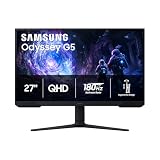
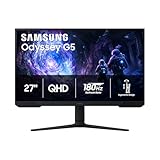
 Samsung 27" Odyssey G5 Samsung 27" Odyssey G5 | QHD Resolution (2560 x 1440) has 1.7 times… HDR10 provides brighter highlights and nuanced shadow for… The 180Hz refresh rate minimizes lag for gameplay… | Check price |
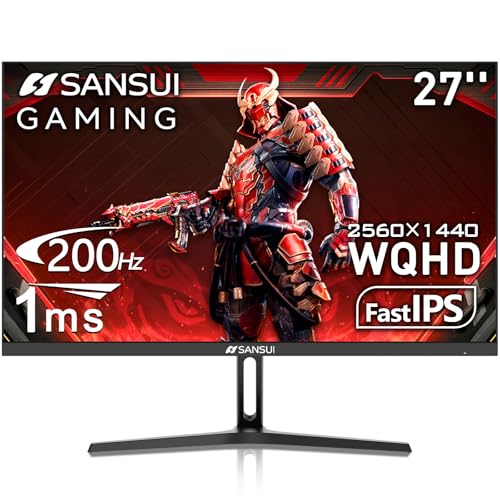 SANSUI 27 Inch WQHD 2560 x 1440 SANSUI 27 Inch WQHD 2560 x 1440 | - 27 inch WQHD 2560x1440 gaming monitor, fast… - Response time: 1ms, IPS display, HDR, 120%sRGB… - Multiple Ports: HDMI 2.0 (up to 144Hz… | Check price |
 Samsung 27" Odyssey OLED G6 Samsung 27" Odyssey OLED G6 | Samsung’s 27” Odyssey OLED G6 Gaming Monitor is… OLED Safeguard technology supports performance by actively helping… Glare Free Technology keeps screen clear of reflection… | Check price |
 KTC 27 Inch QHD 144Hz Gaming Monitor KTC 27 Inch QHD 144Hz Gaming Monitor | Stunning Visuals: Equipped with a 27-inch HVA panel,… Outstanding Image Quality: Boasts 129% sRGB wide color… Frameless Gaming Office Monitor: This 144Hz computer monitor… | Check price |
 Samsung 27” Odyssey G5 Samsung 27” Odyssey G5 | Samsung’s 27” Odyssey G5 QHD Gaming Monitor delivers… QHD resolution (2560x1440) boasts incredibly detailed, pin-sharp images. With a wide 178° viewing angle, the IPS… | Check price |
As an Amazon Associate we earn from qualifying purchases at no extra cost to you.
This guide cuts through the noise and covers the top 1440p gaming monitors available right now. Whether you want an affordable high-refresh IPS for competitive play, a feature-packed all-rounder, or a QD-OLED for reference-grade image quality, these picks represent the best value and performance in their respective categories.
🛒 Best Price Today on Amazon
Prime members get fast, free shipping on everything above, plus member-only deals. New members get a 30-day free trial — cancel anytime.
Watch: Best 1440p Gaming Monitor — Video Review
How to Choose a 1440p Gaming Monitor (2026)
- Panel Type: IPS offers the best balance of color accuracy and response times for most gamers, while QD-OLED delivers infinite contrast and near-instantaneous pixel transitions if your budget allows.
- Refresh Rate: 180Hz is the new mainstream baseline for 1440p, but competitive players should target 240Hz or higher. Ensure your GPU can actually deliver frames to match.
- Response Time: Look for 1ms or lower on IPS panels and 0.03ms-class gray-to-gray on OLED. Real-world overdrive tuning matters more than the spec sheet number, so check independent reviews.
- Adaptive Sync: Confirm both G-SYNC Compatible and FreeSync Premium or Premium Pro support. This ensures tear-free gameplay regardless of whether you run an NVIDIA or AMD card.
- HDR and Color: DCI-P3 90% or higher and DisplayHDR 400 minimum are reasonable targets. True HDR impact at 1440p is still limited on IPS, so prioritize color gamut and peak brightness over HDR certification alone.
The Best 1440p Gaming Monitors Reviewed
Acer Nitro 27″ QHD IPS 180Hz
A strong value pick with a 180Hz IPS panel, 0.5ms response, and 95% DCI-P3 coverage. Built-in speakers and a aggressive price make it ideal for budget-conscious 1440p buyers who want vibrant color without sacrificing speed.
ASUS TUF Gaming 27″ VG27AQ3A
ASUS delivers a well-rounded 180Hz Fast IPS monitor with 130% sRGB, ELMB Sync for motion blur reduction, and full G-SYNC compatibility. The TUF’s robust build and reliable overdrive tuning make it a safe, dependable all-rounder for mixed AAA and competitive play.
AOC 27″ QHD 260Hz G-SYNC (Q27G41ZE)
For competitive shooters, AOC’s 260Hz overclocked IPS panel with 0.3ms response and native NVIDIA G-SYNC compatibility is hard to beat at this price. The three-year warranty and high refresh make it a top pick for esports-focused builds.
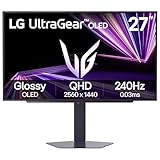
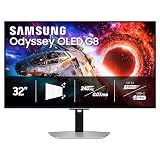
Samsung Odyssey OLED G6 (G61SH)
The standout premium option. Samsung’s QD-OLED panel offers 240Hz, a staggering 0.03ms response time, Pantone validation, and glare-free coating. OLED Safeguard and a three-year warranty address burn-in concerns, making this the best 1440p monitor for image quality purists.
Sansui 27″ WQHD IPS 200Hz
A sleeper value with a 200Hz IPS panel, metal stand, 120% sRGB, and dual HDMI 2.0 plus DisplayPort inputs. The included DP cable and solid build quality punch above its price class, though brand recognition and warranty support are less established than bigger names.
Frequently Asked Questions
Is 1440p still the best resolution for gaming in 2026?
For most PC gamers, yes. 1440p offers a noticeable sharpness upgrade over 1080p without the steep GPU cost of 4K, and modern mid-range to high-end graphics cards can comfortably push high frame rates at this resolution.
Is OLED worth it for a 1440p gaming monitor?
If your budget allows, OLED is transformative. The infinite contrast, instantaneous response times, and vibrant QD-OLED color make motion clarity and HDR quality noticeably better than IPS. Just factor in the higher cost and consider the burn-in warranty coverage.
What refresh rate do I need for 1440p gaming?
180Hz covers most gamers well, especially for AAA single-player titles. Competitive players playing CS2, Valorant, or Apex Legends should prioritize 240Hz or higher to maximize motion clarity and reduce input lag.
Can my GPU handle a 1440p high-refresh monitor?
For 180Hz 1440p gaming on max settings in modern AAA titles, an RTX 4070-class or RX 7800 XT-class GPU is a reasonable starting point. Competitive titles are far less demanding, so adjust expectations based on the games you play most.
Final Thoughts
The Samsung Odyssey OLED G6 stands out as the premium top pick for gamers who want the absolute best image quality and motion clarity at 1440p. For a dependable mid-range all-rounder, the ASUS TUF VG27AQ3A hits the right marks, while the Acer Nitro 27″ KG271U offers the best entry-level value for buyers upgrading to 1440p high-refresh gaming on a budget.