Our Short List of 3
- Connection: 2.4 GHz wireless via USB transmitter, plus Bluetooth, with QuickSwitch between them
- Drivers: 50 mm Nanoclear
- Microphone: flip-to-mute boom with A.I. noise reduction
- Battery life: up to 80 hours

- Connection: wired — USB-C, USB-A and 3.5 mm in the box
- Drivers: 53 mm angled
- Microphone: detachable 10 mm noise-cancelling boom with LED mute indicator
- Platforms: PC, PlayStation 5, PlayStation 4, Xbox Series X|S, Xbox One, Nintendo Switch, mobile

- Connection: 2.4 GHz wireless via USB-C dongle, plus Bluetooth, 3.5 mm wired fallback
- Drivers: 40 mm Razer TriForce
- Microphone: detachable HyperClear cardioid boom
- Battery life: up to 50 hours
All 4 Picks at a Glance
| Product | Specs | Action |
|---|---|---|
| Turtle Beach Stealth 600 Gen 3 |
| Check price on Amazon |
| HyperX Cloud III |
| Check price on Amazon |
| Razer Barracuda X (2022) |
| Check price on Amazon |
 SteelSeries Arctis Nova 1 |
| Check price on Amazon |
Our Top Picks
- Turtle Beach Stealth 600 Wireless Gaming Headset forStandard8.58 x 7.81 x 3.74 inches1.32 poundsCheck on Amazon
- HyperX Cloud III Wired Gaming Headset for PCRegular3.41 x 6.1 x 7.48 inches0.7 poundsCheck on Amazon
This is the price class where gaming headsets stop feeling like compromises. Move up from the entry tier and the same shopping list starts returning headsets with proper memory foam cushions, detachable or flip-to-mute microphones that your squad can actually understand, aluminium or steel reinforcement in the frame, and — for the first time — genuinely good wireless. The catch is that this class is also where platform support starts to split. Some models speak to every machine you own, while others quietly drop Xbox wireless support or lock their best audio features behind a PC-only USB connection.
This guide is deliberately fenced to the general, cross-platform end of the class. Every pick below works across PC and consoles rather than serving a single platform, and the list mixes wired and wireless models so you can decide which trade-off suits your setup. If you play on one machine at a desk, a wired headset in this class spends its entire budget on drivers, microphone and build. If you split time between a PC, a console on the TV and a handheld, the wireless picks earn their place by following you from room to room. All five headsets include a microphone, all five are current models sold through Amazon in the US, and each one is fenced to this class rather than borrowed from a higher tier.
As an Amazon Associate, we earn from qualifying purchases.
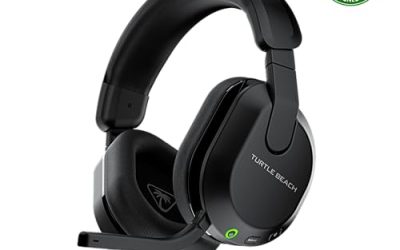
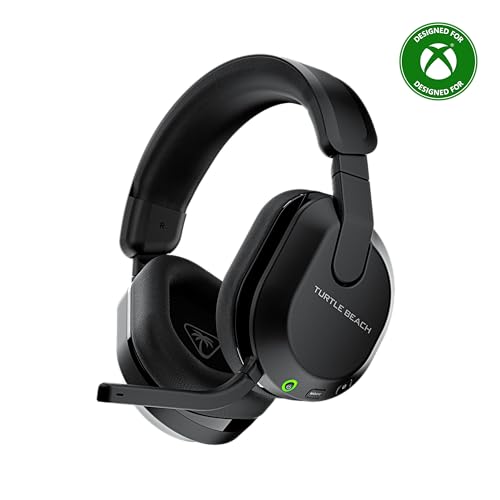
Turtle Beach Stealth 600 Gen 3
- Connection: 2.4 GHz wireless via USB transmitter, plus Bluetooth, with QuickSwitch between them
- Drivers: 50 mm Nanoclear
- Microphone: flip-to-mute boom with A.I. noise reduction
- Battery life: up to 80 hours
The Stealth 600 Gen 3 is the premium pick in this class and the easiest recommendation for anyone who wants one wireless headset for everything. This Xbox edition pairs with Xbox Series X|S and Xbox One over its low-latency wireless transmitter, and the same headset also covers PC, PlayStation, Nintendo Switch and mobile, with Bluetooth on board for phones and a QuickSwitch button that jumps between the wireless connection and Bluetooth without re-pairing. That dual-wireless arrangement is rare in this class and it is what makes the Stealth 600 feel like a multi-platform tool rather than a console accessory.
Battery life is the headline specification. A rating of up to 80 hours means most players charge this headset a handful of times a month rather than weekly, and it removes the low-battery anxiety that hangs over shorter-lived wireless models during long sessions. The flip-to-mute microphone folds up into the earcup when you are playing solo and drops down for chat, and the A.I. noise reduction is aimed at keeping keyboard clatter and room noise out of your party chat. The 50 mm drivers deliver the full, bass-forward tuning Turtle Beach is known for, and the Superhuman Hearing preset pulls footsteps and reload sounds forward for competitive play, though music listeners may find that mode too aggressive and prefer the flatter standard tuning. Comfort is well judged: the cushions are shaped to relieve pressure on glasses frames, and the headset stays stable without clamping hard. For a household where one headset has to serve an Xbox in the living room, a PC at a desk and a phone everywhere else, this is the most complete package in the class.
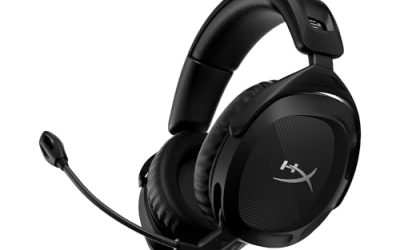
HyperX Cloud III
- Connection: wired — USB-C, USB-A and 3.5 mm in the box
- Drivers: 53 mm angled
- Microphone: detachable 10 mm noise-cancelling boom with LED mute indicator
- Platforms: PC, PlayStation 5, PlayStation 4, Xbox Series X|S, Xbox One, Nintendo Switch, mobile
The Cloud III is the wired anchor of this list and the headset to buy if sound quality and long-session comfort matter more than cutting the cable. HyperX built its reputation on the Cloud line’s memory foam fit, and this generation keeps the formula: plush cushions, a padded headband and an aluminium frame that flexes instead of creaking. The angled 53 mm drivers are larger than most in this class and give the Cloud III a wide, natural soundstage that suits open-world games and film as much as shooters, with DTS Headphone:X spatial audio available when you connect over USB on PC.
Flexibility is the quiet strength here. The box includes USB-C, USB-A and 3.5 mm connections, so the same headset plugs into a PC, a DualSense or Xbox controller, a Switch and a phone with no adapters to buy. Over 3.5 mm it is a plain analogue headset that works anywhere; over USB on PC it unlocks the spatial audio processing and finer volume control. The detachable microphone is clear and natural for chat, the LED on its tip shows mute status at a glance, and removing it leaves a clean pair of headphones for travel. There is no wireless option and no Bluetooth, so this is a desk-and-couch headset rather than a commuter one, and the cable will bother players who move around mid-session. Within those limits, though, the Cloud III is the most polished wired design in the class: durable, comfortable for hours, and tuned for listeners who prefer balance over exaggerated bass.
Razer Barracuda X (2022)
- Connection: 2.4 GHz wireless via USB-C dongle, plus Bluetooth, 3.5 mm wired fallback
- Drivers: 40 mm Razer TriForce
- Microphone: detachable HyperClear cardioid boom
- Battery life: up to 50 hours
The Barracuda X is the mid-range wireless pick for players whose gaming is spread across a PC, a PlayStation and a Switch, with a phone in the mix as well. Razer’s USB-C dongle delivers the low-latency 2.4 GHz connection for PC and consoles, Bluetooth covers mobile devices, and the SmartSwitch button toggles between the two connections on the headset itself. At 250 grams it is one of the lightest wireless headsets in this class, and because the microphone detaches completely, it passes as an ordinary pair of travel headphones once you leave the desk — a trick none of its wired rivals can match.
The 40 mm TriForce drivers use a three-part design that handles bass, mids and treble separately, and the resulting sound favours clarity: dialogue and footsteps sit forward, which competitive players will appreciate, while bass weight is present but controlled rather than booming. Battery life rated up to 50 hours is strong for the class, and USB-C charging keeps top-ups simple. The honest limitation is Xbox. Like most multi-platform wireless headsets, the Barracuda X cannot connect wirelessly to an Xbox console, so Xbox players use the included 3.5 mm cable into the controller while every other platform gets the full wireless treatment. The build is mostly plastic to hit that low weight, and the ear cushions are shallower than the Cloud III’s, so very long sessions favour the HyperX. As an all-rounder that genuinely travels between systems, though, the Barracuda X is the most versatile mid-range design here.
Logitech G Pro X SE
The G Pro X SE exists for players whose microphone matters as much as their game audio: streamers starting out, squad leaders, and anyone whose friends complain about their current mic. Its detachable boom carries Logitech’s Blue VO!CE processing, a set of microphone filters — noise reduction, compression, de-essing and limiting — that run through Logitech’s software on PC when you connect through the included USB DAC. The result is a broadcast-leaning voice sound that no other headset in this class attempts, and it makes the Pro X SE the default choice when chat quality is the priority.
Specs
- Connection: wired — USB via included external DAC, plus 3.5 mm
- Drivers: 50 mm PRO-G
- Microphone: detachable 6 mm boom with Blue VO!CE filters on PC
- Surround: DTS Headphone:X 2.0 object-based surround over USB on PC
- Platforms: PC, Xbox Series X|S, Xbox One, PlayStation 5, PlayStation 4, Nintendo Switch over 3.5 mm
- Extras: memory foam leatherette cushions plus a spare cloth set, steel and aluminium frame, 320 g
The headset itself is a proven design carried over from Logitech’s esports line: 50 mm PRO-G drivers with a clean, detailed tuning, a steel-and-aluminium frame that feels a class above its price, and memory foam cushions with both leatherette and cloth covers in the box so you can pick your preferred feel. The trade-offs are about connections. The surround sound and Blue VO!CE features live behind the USB DAC on PC; plug the 3.5 mm cable into a controller and you get plain stereo with a standard microphone, still clear but without the processing. It is also wired only, and at 320 grams it is the heaviest headset in this roundup, though the padding keeps that weight comfortable. Buy it for the microphone and the build, and treat the console support as a solid bonus rather than the main event.
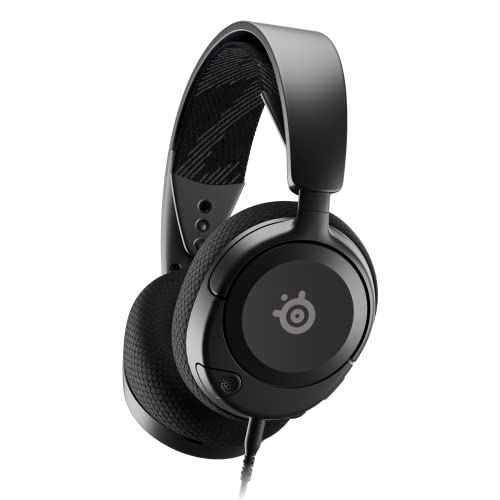
SteelSeries Arctis Nova 1
- Connection: wired 3.5 mm, with a dual-plug PC extension cable in the box
- Drivers: 40 mm high-fidelity
- Microphone: detachable ClearCast Gen 2 noise-cancelling boom
- Weight: 236 g
The Arctis Nova 1 is the budget pick of the class, and it earns its place by borrowing the design language of SteelSeries’ far more expensive Nova line rather than by cutting the essentials. You get the same family of high-fidelity drivers in a lighter frame, the AirWeave memory foam cushions, and a four-point adjustment system with a stretchy comfort band that distributes weight unusually well. At 236 grams it is the lightest headset in this roundup, wired or wireless, and that shows during long sessions: there is very little clamp fatigue to report.
Because it is a simple 3.5 mm headset, the Nova 1 works with everything that has a headphone jack — every controller, every handheld, every phone with the port or a small adapter — and it never needs charging. The detachable ClearCast microphone does a respectable job of rejecting background noise for chat, and the on-earcup volume wheel and mute button are placed where your thumb expects them. What you give up against the rest of this list is feature depth: no USB connection means no headset-side surround processing, so spatial audio comes from the platform itself — Tempest 3D on PlayStation, Windows Sonic or Dolby apps on PC and Xbox — and the mostly plastic build, while durable, feels less premium than the Cloud III or Pro X SE. None of that undermines its role. As the affordable way into this class, or as a dependable second headset that lives in a bag, the Nova 1 covers the fundamentals better than anything else at its tier.
How to Choose
Start with your platforms, not the spec sheet. The single most common mistake in this class is buying a wireless headset that cannot talk to your console. Xbox restricts wireless audio to licensed products and controller connections, which is why the Stealth 600 Gen 3’s Xbox edition exists as a separate model and why the Barracuda X falls back to a cable on Xbox. List every device you will actually use, then check the headset covers all of them the way you intend to connect.
Decide wired versus wireless honestly. Wired headsets in this class — the Cloud III, Pro X SE and Nova 1 — spend nothing on batteries, radios or charging circuits, so the money lands on drivers, microphones and materials, and they never need charging before a session. Wireless buys freedom of movement and multi-room use, and in this class battery life has become a genuine strength: the two wireless picks here are rated at 50 and 80 hours, so charging becomes a monthly habit rather than a nightly one.
Judge the microphone by its type. Flip-to-mute booms like the Stealth 600’s are the most convenient for console play. Detachable booms — fitted to the other four picks — let the headset double as ordinary headphones away from the desk. If your voice is the product, as it is for streamers, the Pro X SE’s software microphone processing is the standout feature in the class, but remember it only works through USB on a PC.
Comfort is a specification too. Weight, cushion material and glasses pressure decide whether a headset survives a three-hour session. The Nova 1 and Barracuda X are the lightweights here; the Cloud III’s memory foam is the long-session favourite; the Stealth 600’s glasses-friendly cushions matter if you wear frames. Finally, treat surround features carefully: DTS and spatial processing on these headsets is mostly a PC-over-USB feature, while consoles rely on their own built-in spatial audio, so a wired 3.5 mm headset loses less on console than the marketing suggests.
Frequently Asked Questions
Can one headset in this class really cover PC, PlayStation, Xbox and Switch?
Yes, and that is the defining strength of this tier. Wired 3.5 mm models such as the Arctis Nova 1 and Cloud III work on every platform with a controller or handheld jack, while the Stealth 600 Gen 3 covers all four wirelessly or over Bluetooth with the right edition. The one recurring exception is wireless on Xbox, which is limited to licensed headsets — everything else either needs the Xbox-specific model or a cable into the controller.
Is wired or wireless the better buy in this class?
It depends on where the money goes. Wired picks put the whole budget into sound, microphone and build, never need charging and add no latency, which is why the Cloud III and Pro X SE are the audio-focused choices here. Wireless picks cost more of the budget on radios and batteries but repay it in convenience, and with 50 to 80 hours of rated battery life the old charging objection has mostly faded. Choose wired for a fixed desk or couch setup, wireless for a multi-room one.
Do I need a USB connection for surround sound on these headsets?
Only for the headset’s own processing. The Cloud III’s DTS spatial audio and the Pro X SE’s DTS Headphone:X 2.0 and Blue VO!CE microphone filters run through USB on a PC. On consoles, spatial audio is handled by the platform itself — PlayStation’s Tempest 3D and the Xbox spatial sound options work over a plain controller connection — so a 3.5 mm headset still delivers positional audio in supported games even without USB.
Which of these headsets has the best microphone for streaming and chat?
The Logitech G Pro X SE, with a condition. Through its USB DAC on PC, the Blue VO!CE filter stack gives it the most polished, broadcast-style voice in this class. If you chat mainly on console, the Stealth 600 Gen 3’s flip-to-mute boom with noise reduction is the more practical pick, and the Cloud III’s detachable microphone is the clearest of the simple plug-and-play options. All five microphones here are comfortably good enough for party chat.
Final Verdict
This class rewards buyers who match the headset to their setup rather than chasing a single winner. For one wireless headset that genuinely does everything — every console, PC and a phone, with battery life measured in weeks of play — the Turtle Beach Stealth 600 Gen 3 is the premium pick and the strongest overall package. Wired buyers should start with the HyperX Cloud III for comfort and balanced sound across every platform, or the Logitech G Pro X SE when microphone quality leads the decision. The Razer Barracuda X is the traveller of the group, light and flexible across PC, PlayStation, Switch and mobile. And the SteelSeries Arctis Nova 1 proves the budget end of this class no longer means settling: it is light, clear and compatible with everything. Pick by platform first, connection second, and any of these five will feel like money spent in the right tier.
Product and ASIN Reference
| Product | ASIN |
|---|---|
| Turtle Beach Stealth 600 Gen 3 (Xbox, Black) | B0CYWFH5Y9 |
| HyperX Cloud III (Wired, Black) | B0C3BSZ56D |
| Razer Barracuda X (2022, Black) | B09XZZQK6Q |
| Logitech G Pro X SE (Wired, Black) | B0CW34HBKZ |
| SteelSeries Arctis Nova 1 (Black) | B0B8Q4CR52 |
FAQ
Can one headset in this class really cover PC, PlayStation, Xbox and Switch?
Is wired or wireless the better buy in this class?
Do I need a USB connection for surround sound on these headsets?
Which of these headsets has the best microphone for streaming and chat?
More from Amazon
Programs that pair well with the guide above. Offers and eligibility are set by Amazon and may change.
Free shipping on eligible items, Prime Video and more. Eligible new members can start with a free trial.
Start a Prime free trialAd-free music streaming. Eligible new subscribers can start with a free trial.
Try Music Unlimited freeA Prime membership for ages 18-24 with a trial period. Eligibility is set by Amazon.
See Prime for Young AdultsAudiobooks and podcasts to listen to on the go. Eligible new members can start with a free trial.
Try Audible freeAs an Amazon Associate we earn from qualifying purchases.