Key takeaways
- Form factor: Match the drive to your motherboard. NVMe M.2 2280 slots offer far higher bandwidth, while older systems may only support 2.5-inch SATA III drives. Check your board specs before buying.
- Interface and speed: PCIe 3.0 x4 NVMe drives can hit 3,000 MB/s reads, whereas SATA III caps around 560 MB/s. For gaming load times, the difference is real but diminishing above 1,000 MB/s.
- Endurance (TBW): Look at the terabytes-written rating. Budget drives often cut corners here. A 128 GB drive with low TBW is fine for a boot disk but not for heavy game installs or sustained writes.
- NAND and controller: 3D TLC NAND with an SLC cache layer is the sweet spot for budget gaming. Avoid QLC drives if you can, as write performance collapses once the cache fills.
- Capacity reality: Under $100 you will mostly see 64 GB to 512 GB options. For a gaming boot drive, aim for at least 256 GB. Smaller capacities work for secondary storage or OS-only duties.
Finding a reliable SSD under $100 in 2026 is trickier than it sounds. The budget storage market is flooded with off-brand drives that promise big numbers on paper but deliver inconsistent real-world performance, questionable endurance, and firmware that rarely sees updates. Whether you are building a budget gaming rig, upgrading an aging laptop, or just need a snappier boot drive, the risk of wasting your money on a drive that throttles under load or dies after six months is very real.
Our top picks



As an Amazon Associate we earn from qualifying purchases at no extra cost to you. Ratings are shown as listed on Amazon.
This guide cuts through the noise. We have rounded up six solid-state drives that deliver genuine value for PC gamers and desktop builders working within a sub-$100 budget. From NVMe options like the fanxiang S501Q and S501 to dependable SATA picks like the Patriot Burst Elite and Fikwot FS810, we cover what actually matters: sustained speeds, controller quality, NAND type, and whether each drive earns its asking price for gaming and everyday workloads.
🛒 Best Price Today on Amazon
Prime members get fast, free shipping on everything above, plus member-only deals. New members get a 30-day free trial — cancel anytime.
Watch: Best SSD Under $100 — Video Review
How to Choose an SSD Under $100 (2026)
- Form factor: Match the drive to your motherboard. NVMe M.2 2280 slots offer far higher bandwidth, while older systems may only support 2.5-inch SATA III drives. Check your board specs before buying.
- Interface and speed: PCIe 3.0 x4 NVMe drives can hit 3,000 MB/s reads, whereas SATA III caps around 560 MB/s. For gaming load times, the difference is real but diminishing above 1,000 MB/s.
- Endurance (TBW): Look at the terabytes-written rating. Budget drives often cut corners here. A 128 GB drive with low TBW is fine for a boot disk but not for heavy game installs or sustained writes.
- NAND and controller: 3D TLC NAND with an SLC cache layer is the sweet spot for budget gaming. Avoid QLC drives if you can, as write performance collapses once the cache fills.
- Capacity reality: Under $100 you will mostly see 64 GB to 512 GB options. For a gaming boot drive, aim for at least 256 GB. Smaller capacities work for secondary storage or OS-only duties.
The Best SSD Under $100 (2026)s Reviewed
fanxiang S501Q 512GB
The standout pick of this roundup. With PCIe 3.0 x4 speeds up to 3,000 MB/s, 3D NAND, and an SLC cache, the S501Q delivers NVMe performance that genuinely punches above its budget price point. It is the best all-rounder here for a gaming boot drive where capacity and speed both matter.
fanxiang S501 128GB NVMe
A solid entry-level NVMe option with read speeds up to 1,100 MB/s over PCIe Gen3 x4. It will not set records, but it comfortably outperforms any SATA drive in this list and makes a great budget boot disk for a laptop or compact desktop.
Patriot Burst Elite 120GB
Patriot is a name you can trust in budget storage, and the Burst Elite delivers dependable SATA III performance in a 2.5-inch form factor. It is the safe, no-surprises pick for older systems or anyone who needs reliability over raw speed.
Fikwot FS810 128GB
The FS810 offers competitive SATA III speeds up to 560 MB/s with 3D TLC NAND flash. It is a respectable choice for a secondary storage drive or a budget laptop upgrade where an M.2 slot is not available.
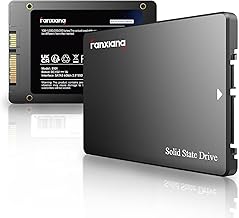
fanxiang S101 128GB
A straightforward 2.5-inch SATA III drive with read speeds up to 500 MB/s and SLC-cached 3D NAND. It covers the basics well and is a cost-effective option for revitalising an older machine that only supports SATA storage.
Frequently Asked Questions
Is a budget NVMe SSD worth it over SATA for gaming?
Yes, but only marginally for load times in most current titles. NVMe drives like the fanxiang S501Q shine more in sustained workloads, large file transfers, and DirectStorage-enabled games that are starting to appear in 2026.
How long do cheap SSDs typically last?
It depends on TBW rating and usage patterns. A quality budget drive from a reputable brand should last three to five years for typical gaming and daily use. Drives from unknown brands with no warranty support carry a higher failure risk.
Can I use a 64 GB or 128 GB SSD as my only drive?
You can, but it is tight. Modern AAA games regularly exceed 100 GB per install. A 128 GB drive works for the OS plus one or two games, but 256 GB or larger is the practical floor for a primary gaming drive.
Do these drives support DRAM caching?
Most drives in this price range rely on SLC caching and HMB (host memory buffer) rather than dedicated DRAM. This keeps costs down but means write performance can drop once the cache fills during large transfers.
Final Thoughts
For PC gamers on a tight budget in 2026, the fanxiang S501Q 512GB is the clear top pick, offering the best blend of capacity, speed, and value under $100. If your system lacks an M.2 slot, the Patriot Burst Elite 120GB is the most trustworthy SATA option, while the fanxiang S501 128GB NVMe is worth a look for a compact build that needs fast boot times on a smaller budget.