Key takeaways
- Gaming Performance: The Ryzen 7 5800X3D leverages AMD’s 3D V-Cache to deliver exceptional framerates in cache-sensitive titles like MMOs, strategy games, and simulation builders, often matching or beating higher-tier chips. The i5-14600K counters with stronger single-core throughput and superior performance in esports and fast-paced shooters where frequency matters more than L3 cache depth.
- Platform and Upgrade Path: The 5800X3D uses AMD’s AM4 socket, a mature platform with no meaningful upgrade path beyond the chip itself. The i5-14600K runs on Intel’s LGA 1700 socket and offers limited but real flexibility, including potential drops into cheaper B760 or H670 boards if you do not need overclocking.
- Productivity and Multicore Workloads: With 14 cores split across 6 P-Cores and 8 E-Cores, the i5-14600K significantly outperforms the 8-core 5800X3D in video editing, rendering, compilation, and multitasking. If your PC doubles as a content creation workstation, Intel is the clear winner.
- Cooling and Power Draw: The 5800X3D operates within a strict 105W TDP and responds well to midrange air coolers. The i5-14600K draws considerably more power under load, especially when multi-core boosting, and benefits from a 280mm or 360mm AIO liquid cooler to maintain peak clocks without thermal throttling.
- Budget and Total Cost: Factor in not just the CPU price but motherboard, memory, and cooling costs. AM4 DDR4 memory and B550 motherboards are cheaper, making the 5800X3D appealing for budget-conscious upgrades. The i5-14600K platform with DDR5 and a Z790 board raises total build cost but delivers a more future-proof foundation.
Building or upgrading a gaming PC means navigating an increasingly crowded CPU market, and few matchups generate as much confusion as the Intel Core i5-14600K versus the AMD Ryzen 7 5800X3D. Both processors target the same midrange enthusiast audience, yet they arrive from entirely different architectural philosophies, platform generations, and price tiers. Buyers are left weighing raw clock speeds and core counts against AMD’s specialized 3D V-Cache technology, often without a clear sense of which metrics actually matter for their specific use case.
Our top picks


 Intel Core™ i5-14600KF New Gaming Desktop Processor
- Be everything you want to be, in-game and…
- 14 cores (6 P-cores plus 8 E-cores) and…
- Up to 5.3 GHz Max Turbo Frequency
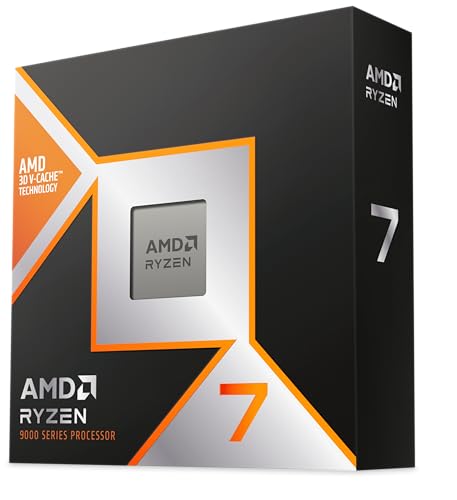 AMD RYZEN 7 9800X3D 8-Core
- The world’s fastest gaming processor, built on AMD…
- 8 cores and 16 threads, delivering +~16% IPC…
- 96MB L3 cache with better thermal performance vs
 AMD Ryzen 7 7800X3D 8-Core
- Processor provides dependable and fast execution of tasks…
- Ryzen 7 product line processor for better usability…
- 5 nm process technology for reliable performance with…


As an Amazon Associate we earn from qualifying purchases at no extra cost to you.
This guide breaks down everything you need to know to make an informed decision between these two popular gaming processors. We compare gaming performance, productivity capabilities, platform longevity, thermals, and overall value, then highlight the best variants and alternatives currently available on Amazon so you can buy with confidence.
🛒 Best Price Today on Amazon
Prime members get fast, free shipping on everything above, plus member-only deals. New members get a 30-day free trial — cancel anytime.
Watch: Core i5-14600K vs Ryzen 7 5800X3D: Gaming CPU Comparison 2026 — Video Review
How to Choose a Core i5-14600K vs Ryzen 7 5800X3D
- Gaming Performance: The Ryzen 7 5800X3D leverages AMD’s 3D V-Cache to deliver exceptional framerates in cache-sensitive titles like MMOs, strategy games, and simulation builders, often matching or beating higher-tier chips. The i5-14600K counters with stronger single-core throughput and superior performance in esports and fast-paced shooters where frequency matters more than L3 cache depth.
- Platform and Upgrade Path: The 5800X3D uses AMD’s AM4 socket, a mature platform with no meaningful upgrade path beyond the chip itself. The i5-14600K runs on Intel’s LGA 1700 socket and offers limited but real flexibility, including potential drops into cheaper B760 or H670 boards if you do not need overclocking.
- Productivity and Multicore Workloads: With 14 cores split across 6 P-Cores and 8 E-Cores, the i5-14600K significantly outperforms the 8-core 5800X3D in video editing, rendering, compilation, and multitasking. If your PC doubles as a content creation workstation, Intel is the clear winner.
- Cooling and Power Draw: The 5800X3D operates within a strict 105W TDP and responds well to midrange air coolers. The i5-14600K draws considerably more power under load, especially when multi-core boosting, and benefits from a 280mm or 360mm AIO liquid cooler to maintain peak clocks without thermal throttling.
- Budget and Total Cost: Factor in not just the CPU price but motherboard, memory, and cooling costs. AM4 DDR4 memory and B550 motherboards are cheaper, making the 5800X3D appealing for budget-conscious upgrades. The i5-14600K platform with DDR5 and a Z790 board raises total build cost but delivers a more future-proof foundation.
The Best Core i5-14600K vs Ryzen 7 5800X3Ds Reviewed
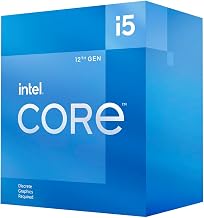
Intel Core i5-14600K
Featuring 14 cores and boost clocks up to 5.3 GHz, this is the definitive midrange Intel pick for gamers who also handle streaming or creative work. Its hybrid architecture delivers commanding multicore performance while remaining competitive in gaming, making it the most versatile option on this list.
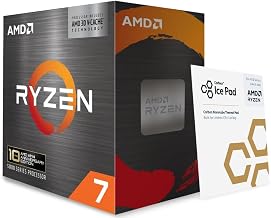
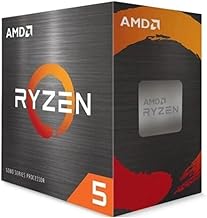
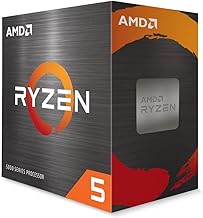
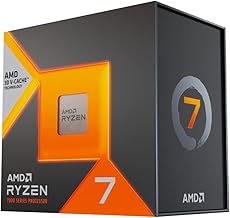
AMD Ryzen 7 5800X3D
The original 3D V-Cache pioneer remains a top-tier gaming CPU, particularly for AM4 upgraders who want maximum framerates without rebuilding their entire system. Its productivity ceiling is lower than Intel’s, but for pure gaming on a budget, it punches well above its weight class.
Intel Core i5-14600KF
The unlocked KF variant drops integrated graphics for a slightly lower price, ideal for buyers who already own a dedicated GPU and want every dollar directed toward CPU performance. Performance is identical to the standard 14600K, so it is purely a value play.
AMD Ryzen 7 7800X3D
If your budget allows stepping up, the 7800X3D on the newer AM5 platform is arguably the best gaming CPU available at any price. It offers superior efficiency and a meaningful upgrade path, making it worth the premium over the 5800X3D for new builds.
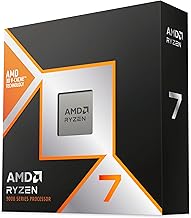
AMD Ryzen 7 9800X3D
The latest generation 3D V-Cache processor refines AMD’s winning formula with improved clock speeds and thermal management. It commands a flagship price, but for gamers chasing maximum performance without compromise, it is the chip to beat.
Frequently Asked Questions
Is the Ryzen 7 5800X3D still worth buying in 2025?
Yes, if you already own an AM4 motherboard and want a drop-in gaming upgrade without rebuilding your system. For new builds, the AM5-based 7800X3D is the stronger long-term investment.
Does the i5-14600K need liquid cooling?
Not strictly, but it runs warm under sustained multicore loads. A high-end air cooler like a Thermalright Peerless Assassin handles gaming fine, while a 280mm AIO is recommended for overclocking or heavy productivity workloads.
Which CPU is better for streaming and gaming simultaneously?
The i5-14600K is better suited for multitasking scenarios like streaming while gaming, thanks to its 14-core design that can dedicate resources to encoding without impacting game performance.
Will the 5800X3D bottleneck modern GPUs?
In most gaming scenarios at 1440p and 4K, the 5800X3D keeps pace well with even high-end GPUs like the RTX 4080. At 1080p with a flagship card, you may see minor bottlenecks in CPU-heavy titles compared to newer alternatives.
Final Thoughts
For a pure gaming upgrade on an existing AM4 platform, the AMD Ryzen 7 5800X3D remains a remarkable value that maximizes framerates without a full system rebuild. For builders who want versatility across gaming and productivity, the Intel Core i5-14600K delivers the best all-around performance in this class. Those with flexible budgets building new systems should seriously consider the AMD Ryzen 7 7800X3D, which combines the gaming dominance of 3D V-Cache with a forward-looking AM5 platform that will support upgrades for years to come.