Key takeaways
- Platform and Upgrade Path: If you already own an AM4 motherboard, the 5800X3D is a drop-in upgrade that extends the life of your platform. If you are building fresh, consider whether you prefer the lower entry cost of AM4 or the newer features and future upgradeability of Intel’s LGA 1700 or AMD’s AM5 sockets.
- Gaming vs Productivity Split: The 5800X3D dominates in gaming, especially in cache-sensitive titles like simulation and strategy games. The 12700K, with its 12 cores, pulls ahead in rendering, video editing, and streaming workloads where the 5800X3D’s 8 cores show their limits.
- Cooling Requirements: The 12700K runs hot and draws significant power under load, requiring a high-end 280mm or 360mm AIO liquid cooler to reach its potential. The 5800X3D runs cooler and more efficiently, often performing well with a quality 240mm AIO or even a top-tier air cooler.
- Memory Considerations: DDR4 memory is inexpensive and works natively with both platforms if you choose a compatible motherboard. If you want DDR5 for higher bandwidth, you will need to select a 600-series Intel board or jump to AMD’s AM5 platform entirely.
- Total Budget Allocation: Factor in the cost of the motherboard, RAM, and cooler. A budget build centered around the 5800X3D on a B550 board with DDR4 will be significantly cheaper than a 12700K system on a Z690 board with DDR5, leaving more room in your budget for a faster graphics card.
Choosing between the Ryzen 7 5800X3D and the Core i7-12700K is one of the most common dilemmas for PC gamers looking to maximize framerates without spending flagship-tier money. Both processors deliver outstanding 1440p and 4K gaming performance, but they take fundamentally different approaches to get there. The 5800X3D relies on AMD’s innovative stacked 3D V-Cache to reduce latency and boost game performance, while the 12700K leans on Intel’s hybrid architecture with a mix of Performance and Efficient cores to brute-force its way through demanding workloads.
Our top picks


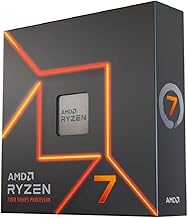
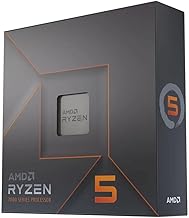
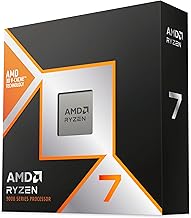
 AMD Ryzen 7 7800X3D 8-Core
- Processor provides dependable and fast execution of tasks…
- Ryzen 7 product line processor for better usability…
- 5 nm process technology for reliable performance with…


As an Amazon Associate we earn from qualifying purchases at no extra cost to you.
The right choice depends heavily on your existing platform, whether you stream or multitask while gaming, and how much you value peak gaming throughput versus versatile productivity performance. In this guide, we break down the key buying factors, review the top chips in this competitive tier, and answer the most common questions to help you build the ideal system for your needs.
🛒 Best Price Today on Amazon
Prime members get fast, free shipping on everything above, plus member-only deals. New members get a 30-day free trial — cancel anytime.
Watch: Ryzen 7 5800X3D vs Core i7-12700K: Gaming CPU Comparison 2026 — Video Review
How to Choose a Ryzen 7 5800X3D vs Core i7-12700K
- Platform and Upgrade Path: If you already own an AM4 motherboard, the 5800X3D is a drop-in upgrade that extends the life of your platform. If you are building fresh, consider whether you prefer the lower entry cost of AM4 or the newer features and future upgradeability of Intel’s LGA 1700 or AMD’s AM5 sockets.
- Gaming vs Productivity Split: The 5800X3D dominates in gaming, especially in cache-sensitive titles like simulation and strategy games. The 12700K, with its 12 cores, pulls ahead in rendering, video editing, and streaming workloads where the 5800X3D’s 8 cores show their limits.
- Cooling Requirements: The 12700K runs hot and draws significant power under load, requiring a high-end 280mm or 360mm AIO liquid cooler to reach its potential. The 5800X3D runs cooler and more efficiently, often performing well with a quality 240mm AIO or even a top-tier air cooler.
- Memory Considerations: DDR4 memory is inexpensive and works natively with both platforms if you choose a compatible motherboard. If you want DDR5 for higher bandwidth, you will need to select a 600-series Intel board or jump to AMD’s AM5 platform entirely.
- Total Budget Allocation: Factor in the cost of the motherboard, RAM, and cooler. A budget build centered around the 5800X3D on a B550 board with DDR4 will be significantly cheaper than a 12700K system on a Z690 board with DDR5, leaving more room in your budget for a faster graphics card.
The Best Ryzen 7 5800X3D vs Core i7-12700Ks Reviewed
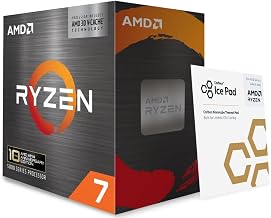
AMD Ryzen 7 5800X3D
The undisputed king of AM4 gaming, this processor uses stacked V-Cache to deliver performance that often rivals much more expensive chips. It is the best drop-in upgrade for anyone wanting to maximize framerates on an existing B550 or X570 system without rebuilding from scratch.
AMD Ryzen 7 5800X3D (100-100000651WOF)
This is the official part number for the enthusiast-favorite X3D chip without a stock cooler. Since it lacks an included cooler, you should pair it with a quality aftermarket thermal solution to keep the 105W TDP in check.
AMD Ryzen 7 5800X
The standard 5800X lacks the massive L3 cache of its X3D sibling, making it less dominant in gaming. However, it still offers excellent 8-core performance for budget builders and is a solid choice if you find it at a steep discount.
AMD Ryzen 7 5800XT
The 5800XT serves as a refreshed AM4 option with slightly tuned clock speeds over the original 5800X. It is a viable alternative for productivity, though it will not match the gaming prowess of the X3D variant.
AMD Ryzen 7 7800X3D
If your budget allows, this next-generation chip on the AM5 platform represents the ultimate gaming upgrade. It requires a new motherboard and DDR5 memory, but it offers unmatched gaming framerates and a viable upgrade path for years to come.
Frequently Asked Questions
Does the Ryzen 7 5800X3D beat the Core i7-12700K in gaming?
In most gaming scenarios, yes. The massive L3 cache on the 5800X3D significantly reduces memory latency, giving it an edge in many titles, particularly simulation and MMO games. However, the 12700K remains highly competitive in games that rely more on raw clock speed and single-thread performance.
Is the Core i7-12700K better for streaming and multitasking?
Absolutely. The 12700K features 12 cores (8 Performance and 4 Efficient) and 20 threads, making it superior for parallel workloads like video editing, 3D rendering, and streaming while gaming. The 5800X3D is strictly optimized for gaming and will lag behind in multi-threaded productivity tasks.
Do I need a new motherboard for the Ryzen 7 5800X3D?
No, which is its biggest advantage. It works with existing AMD 400 and 500 series motherboards after a BIOS update. This allows AM4 owners to upgrade their CPU without buying a new board or RAM, saving a significant amount of money compared to switching platforms.
Is DDR5 memory necessary for these processors?
No, DDR5 is not a requirement for either the 5800X3D or the 12700K. The 5800X3D uses DDR4 exclusively, while the 12700K supports both DDR4 and DDR5 depending on the motherboard you choose. DDR4 remains a cost-effective option that still delivers excellent gaming performance.
Final Thoughts
For gamers looking to maximize value on an existing platform, the AMD Ryzen 7 5800X3D is the clear winner, offering elite gaming performance without the cost of a platform overhaul. If you need a processor that can handle heavy productivity and streaming alongside your gaming sessions, the Core i7-12700K is the more versatile choice. For those building new systems with a higher budget, the AMD Ryzen 7 7800X3D stands as the ultimate pure-gaming option available today.