Key takeaways
- Primary Workload: If gaming is your sole focus, the Ryzen 7 7800X3D’s 3D V-Cache gives it a measurable lead in many titles. If you stream, edit video, or run productivity software alongside gaming, the 14900K’s 24 cores deliver substantially better multicore throughput.
- Platform Longevity: AMD’s AM5 socket is expected to support future CPU generations, giving you a clear upgrade path. Intel’s LGA 1700 socket has effectively reached end-of-life with 14th-gen, meaning a future upgrade will require a new motherboard.
- Power and Cooling: The 14900K can draw well over 250 watts under load and demands a high-end AIO liquid cooler. The 7800X3D is far more power-efficient, typically peaking around 75-80 watts, and can be adequately cooled by a strong air cooler.
- Memory Selection: Intel supports both DDR4 and DDR5 depending on motherboard choice, offering budget flexibility. AMD’s AM5 platform is DDR5-only, which means a higher initial memory cost but better long-term bandwidth headroom.
- Total System Cost: Factor in the motherboard and cooler price, not just the CPU. A 14900K requires a robust Z790 board and premium cooling, while the 7800X3D runs comfortably on more affordable B650 boards with modest cooling.
Choosing between Intel’s flagship Core i9-14900K and AMD’s Ryzen 7 7800X3D is one of the most debated decisions PC builders face today. Both processors sit at the top of their respective lineups, yet they take fundamentally different approaches to delivering high-end gaming performance. The Intel chip relies on a massive 24-core hybrid architecture with clock speeds reaching 6.0 GHz, while AMD counters with fewer cores but a ingenious 3D V-Cache stacking technology that dramatically reduces latency for games. Buyers are left weighing raw frequency and multicore horsepower against cache-optimized gaming efficiency, and the right pick depends heavily on whether the system will also handle productivity workloads alongside frame-pushing duties.
Our top picks
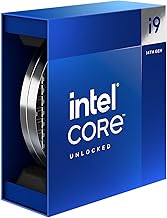
 Intel Core™ i9-14900K Desktop Processor
- Game without compromise
- 24 cores (8 P-cores plus 16 E-cores) and…
- Leading max clock speed of up to 6.0…
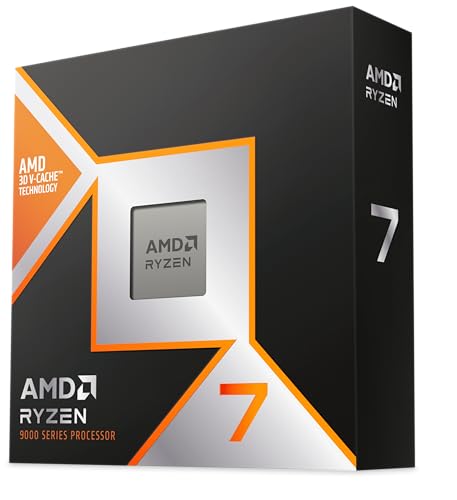 AMD RYZEN 7 9800X3D 8-Core
- The world’s fastest gaming processor, built on AMD…
- 8 cores and 16 threads, delivering +~16% IPC…
- 96MB L3 cache with better thermal performance vs

 Intel Core™ i9-14900KF New Gaming Desktop Processor
- Game without compromise
- 24 cores (8 P-cores plus 16 E-cores) and…
- Leading max clock speed of up to 6.0…


As an Amazon Associate we earn from qualifying purchases at no extra cost to you.
This guide breaks down everything you need to know before committing to either platform. We compare core counts, clock speeds, platform longevity, power draw, and real-world gaming benchmarks to help you make an informed decision. We also cover related variants like the unlocked 14900KF, the 6.2 GHz 14900KS, and motherboard bundle options from Micro Center that can stretch your budget further. Whether you are building a dedicated gaming rig or a hybrid workstation, the recommendations below will point you toward the configuration that delivers the best value for your specific needs.
🛒 Best Price Today on Amazon
Prime members get fast, free shipping on everything above, plus member-only deals. New members get a 30-day free trial — cancel anytime.
Watch: Core i9-14900K vs Ryzen 7 7800X3D: Gaming CPU Comparison 2026 — Video Review
How to Choose a Core i9-14900K vs Ryzen 7 7800X3D
- Primary Workload: If gaming is your sole focus, the Ryzen 7 7800X3D’s 3D V-Cache gives it a measurable lead in many titles. If you stream, edit video, or run productivity software alongside gaming, the 14900K’s 24 cores deliver substantially better multicore throughput.
- Platform Longevity: AMD’s AM5 socket is expected to support future CPU generations, giving you a clear upgrade path. Intel’s LGA 1700 socket has effectively reached end-of-life with 14th-gen, meaning a future upgrade will require a new motherboard.
- Power and Cooling: The 14900K can draw well over 250 watts under load and demands a high-end AIO liquid cooler. The 7800X3D is far more power-efficient, typically peaking around 75-80 watts, and can be adequately cooled by a strong air cooler.
- Memory Selection: Intel supports both DDR4 and DDR5 depending on motherboard choice, offering budget flexibility. AMD’s AM5 platform is DDR5-only, which means a higher initial memory cost but better long-term bandwidth headroom.
- Total System Cost: Factor in the motherboard and cooler price, not just the CPU. A 14900K requires a robust Z790 board and premium cooling, while the 7800X3D runs comfortably on more affordable B650 boards with modest cooling.
The Best Core i9-14900K vs Ryzen 7 7800X3Ds Reviewed
Intel Core i9-14900K Desktop Processor
Intel’s flagship 14th-gen chip delivers 24 cores and boost clocks up to 6.0 GHz, making it a brute-force contender for mixed-use systems that need to game and crunch through productivity tasks. It is the safe pick if you want top-tier all-around performance without sacrificing frame rates.
Intel Core i9-14900K 24 Cores (8 P-cores + 16 E-cores) up to 6.0 GHz
This listing highlights the same 14900K with its hybrid architecture spelled out, pairing eight performance cores with sixteen efficient cores to handle background tasks without interrupting gameplay. The aggressive 6.0 GHz boost gives it a clear edge in titles that lean heavily on single-thread speed.
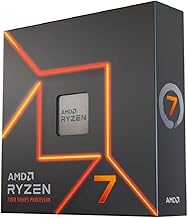
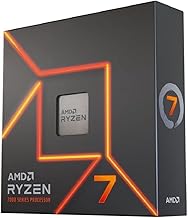
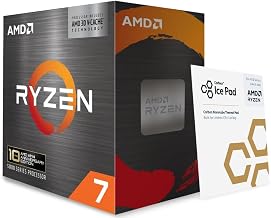
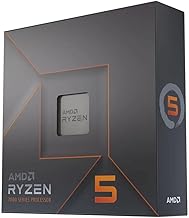
AMD Ryzen 7 7800X3D 8-Core, 16-Thread Desktop Processor
AMD’s gaming-specialist processor leverages stacked 3D V-Cache to deliver exceptional frame rates while drawing remarkably little power, often outpacing higher-core Intel chips in cache-sensitive games. It is the definitive choice for builders focused purely on gaming performance and efficiency.
Intel Core i9-14900KS 6.2 GHz
The factory-binned 14900KS pushes boost clocks to 6.2 GHz out of the box, squeezing a few extra frames in CPU-bound scenarios. It commands a premium price and runs hot, so reserve it for enthusiasts who want the absolute highest stock clock speeds available.
Micro Center CPU Motherboard Combo – 14900K with Z790 MAX Gaming WIFI7
This bundle pairs the 14900K with a feature-rich Z790 MAX motherboard featuring WiFi 7, effectively reducing the total platform cost for builders who want both components. It is an excellent value if you live near a Micro Center and want a ready-to-run Intel platform.
Frequently Asked Questions
Which CPU is better for pure gaming?
The Ryzen 7 7800X3D generally wins in gaming benchmarks thanks to its 3D V-Cache, which reduces memory latency in cache-sensitive titles like MMOs and simulation games.
Does the 14900K need liquid cooling?
Yes, a 280mm or 360mm AIO liquid cooler is strongly recommended. The 14900K draws significant power under sustained load and will thermal throttle quickly on air cooling.
What is the difference between the 14900K and 14900KF?
The 14900KF is identical in performance to the 14900K but lacks integrated graphics, typically selling at a slightly lower price. Choose the KF if you already have a dedicated GPU and want to save a few dollars.
Is AM5 worth the DDR5 requirement?
Yes, AM5 is a forward-looking platform that supports DDR5 and is expected to receive future CPU generations, giving you a meaningful upgrade path without swapping motherboards.
Final Thoughts
For dedicated gaming builds, the AMD Ryzen 7 7800X3D stands out as the smartest choice, offering class-leading frame rates with exceptional power efficiency. If you need a hybrid system that handles gaming and heavy productivity, the Intel Core i9-14900K is the stronger all-around performer. Finally, the Micro Center 14900K and Z790 motherboard bundle is worth a look if you want to offset Intel’s higher platform cost with meaningful savings.