Key takeaways
- Reduces eye strain by lighting the desk, not the screen.
- Adjustable color temperature and brightness.
- Clamp designs save desk space.
- Wide-coverage lamps for dual monitors.
A dedicated desk monitor light is one of the simplest ways to make long hours at the computer more comfortable. By illuminating your keyboard and workspace without shining into your eyes or bouncing glare off the screen, it reduces the eye strain that comes from working in a dim room with only a bright display in front of you.
This review looks at how the best desk monitor lights perform, the difference between clamp-on bars and architect-style lamps, and how options from Quntis, ONEMIX, Honeywell, and others compare for home office and gaming setups.
Our top picks





As an Amazon Associate we earn from qualifying purchases at no extra cost to you. Ratings are shown as listed on Amazon.
🎮 Get More From Your Setup — Free
Prime Gaming gives you free PC games every month, in-game loot, and a free Twitch channel sub — plus fast free shipping on all the gear above. New members get a 30-day free trial.
Watch: Desk Monitor Light: Review & Buyer’s Guide — Video Review
Design & Build
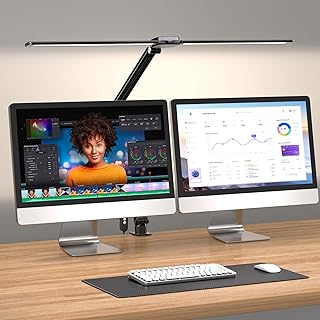
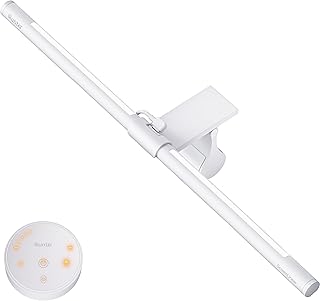
Desk monitor lights come in two main forms. Monitor light bars like the Quntis and the 11.8-inch ultrawide model clamp onto the top edge of your screen with a counterweighted grip, keeping your desk clear. Clamp-mounted architect lamps such as the ONEMIX 4-panel light and Honeywell wide desk lamp attach to the desk edge and reach over dual monitors with adjustable arms. Aluminum housings are common, and the better designs offer flicker-free LEDs for eye comfort.
Performance
The standout feature across these lights is adjustability. Multiple color temperatures let you switch from cool daylight for focus to warm tones for relaxed evening work, and stepless or multi-level dimming fine-tunes brightness. The ONEMIX and Honeywell lamps cover wider dual-monitor desks with high lumen output, while the Quntis auto-dimming bar adjusts to ambient light automatically. Remotes and touch controls on several models make adjustments effortless, and USB or clamp power keeps installation clean.
Pros & Cons
- Reduces eye strain by lighting the desk, not the screen.
- Adjustable color temperature and brightness.
- Clamp designs save desk space.
- Wide-coverage lamps for dual monitors.
- Architect lamps take up desk-edge clamp space.
- Remote-equipped models cost more.
Alternatives to Consider
If you want the tidiest setup, a monitor light bar like the Quntis auto-dimming model perches on the screen and frees your desk entirely. For wide or dual-monitor desks, the ONEMIX 42-inch 4-panel light or Honeywell wide lamp spread illumination across the whole workspace. Those who want maximum control should choose a model with a remote and timer, while minimalists can opt for a simple touch-controlled bar.
Frequently Asked Questions
Why not just use a regular desk lamp?
A monitor light is angled to avoid screen glare and eye glare, unlike a standard lamp that can reflect off the display and cause strain.
Bar or architect lamp: which is better?
A bar saves desk space and suits single monitors; an architect lamp covers wider dual-monitor desks with more reach and output.
Are these lights adjustable?
Yes. Most offer multiple color temperatures and dimming levels so you can tailor the light to the time of day and task.
How are they powered?
Light bars typically run off USB, while clamp lamps often use a USB or adapter connection. Both keep cabling minimal.
Verdict
A desk monitor light is a small upgrade with a big daily payoff in comfort. The Quntis auto-dimming bar leads for clean, screen-mounted convenience, while the ONEMIX and Honeywell clamp lamps excel for wide dual-monitor desks. Choose a bar for a single screen or an architect lamp for broader coverage, and your eyes will thank you during late sessions.