Key takeaways
- Buying Too Many Physical Channels: Many beginner streamers buy large, 8-channel analog mixers thinking they need a separate physical channel for every app on their PC. In reality, modern streaming software routes these programs through virtual channels. Buying a giant physical mixer results in a cluttered, unsightly desk and wasted money.
- Ignoring “XLR Overhang” and Cable Strain: Failing to account for the physical space that cables occupy is a major design pitfall. Standard XLR connectors are rigid and stick out significantly. Always add 3 inches to the manufacturer’s depth measurements to ensure your interface does not smash against your wall or monitor stand.
- Neglecting Knob Height in Shelving Units: Placing a top-mounted dial interface inside a tight desk cubby or under a low monitor shelf makes it impossible to adjust volumes quickly during an intense stream. Always ensure you have enough vertical hand clearance to comfortably operate the knobs.
- Underestimating Interface Slip: Lightweight plastic interfaces (under 0.8 lbs) can be dragged off your desk by the weight of high-quality, heavy-gauge XLR cables. Ensure you have space to secure the device using double-sided mounting tape or a dedicated desk clamp if you choose an ultra-light model.
Designing a highly functional streaming setup requires balancing your technical requirements with the physical limitations of your workspace. Whether you are broadcasting gaming sessions, hosting a live talk show, or recording high-fidelity musical performances, managing your audio signals is paramount. However, a common point of confusion for creators is understanding how many physical and virtual audio pathways they need, and how much physical desk real estate those devices will occupy.
From a spatial and interior design perspective, every piece of hardware on your desk contributes to visual clutter and physical restriction. To help you build an ergonomic, clean, and professional workspace, this comprehensive size and channel guide breaks down exactly what you need for your streaming software without sacrificing your desk’s aesthetic appeal.
Our top picks


As an Amazon Associate we earn from qualifying purchases at no extra cost to you. Ratings are shown as listed on Amazon.
The Short Answer
For standard streaming software (such as OBS Studio, Streamlabs, or vMix), you need 1 physical audio channel for your microphone, paired with 4 to 6 virtual audio channels managed via software. This configuration allows you to control your microphone, game sound, voice chat (like Discord), alert sounds, and background music independently.
If you host a co-streamer in the same room or plug in an instrument, you will need a physical interface with 2 to 4 physical channels. Physically, this translates to a desktop footprint of roughly 15 to 35 square inches. Opting for a device with virtual channel control, like a studio controller, allows you to manage dozens of software tracks while maintaining a tiny, highly organized physical desktop footprint of less than 25 square inches.
Standard Sizes
When selecting hardware to manage your audio channels, the physical dimensions of the device are just as important as its inputs. Below is a breakdown of the standard sizes, weights, and price ranges of popular audio interfaces and studio controllers used in modern stream setups.
| Device Type & Example Class | Physical Channels | Dimensions (Inches) | Dimensions (cm) | Desktop Footprint | Weight (lbs / kg) | Price Range (USD) |
|---|---|---|---|---|---|---|
| Ultra-Compact Solo Interface (e.g., M-AUDIO M-Track Solo) |
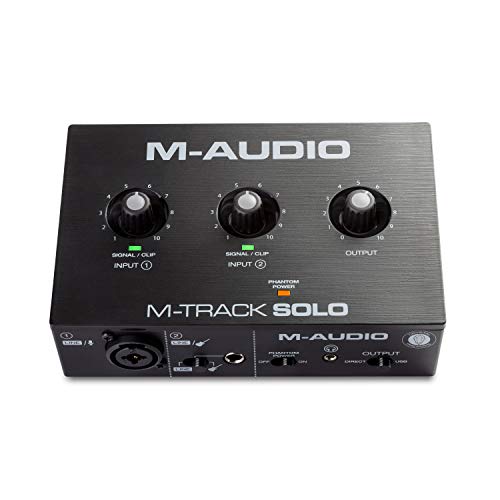
1 XLR / Line, 1 Instrument | 6.4″ x 4.5″ x 2.1″ | 16.3 x 11.4 x 5.3 cm | 28.8 sq. in. | 0.7 lbs / 0.32 kg | $40.00 – $55.00 |
| Budget Dual-Channel Interface (e.g., BOMGE mini 2 Channel) |
2 XLR / Line (Combo) | 5.9″ x 4.7″ x 1.9″ | 15.0 x 12.0 x 4.8 cm | 27.7 sq. in. | 0.6 lbs / 0.27 kg | $30.00 – $45.00 |
| Standard Dual-Channel Interface (e.g., M-AUDIO M-Track Duo) |
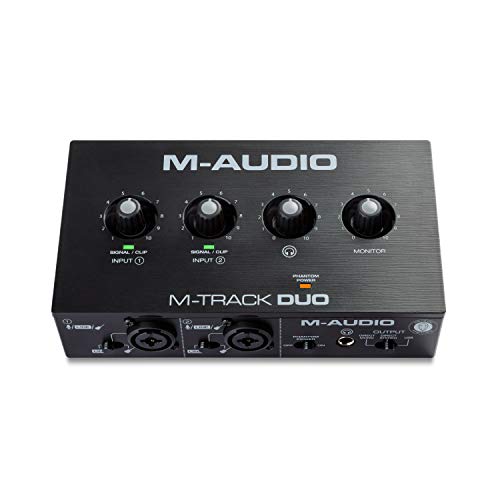
2 XLR / Line (Combo) | 7.5″ x 4.4″ x 2.1″ | 19.1 x 11.1 x 5.4 cm | 33.0 sq. in. | 0.8 lbs / 0.36 kg | $60.00 – $75.00 |
| Hybrid Virtual Controller & Mixer (e.g., Elgato Stream Deck +) |
Unlimited Virtual (4 Physical Dials) | 5.5″ x 4.3″ x 5.4″ | 14.0 x 11.0 x 13.8 cm | 23.6 sq. in. | 1.0 lbs / 0.46 kg | $160.00 – $180.00 |
How to Measure Your Space
Before purchasing an audio interface or software controller, you must verify how it will fit into your physical workflow. Follow these steps to measure your desk space accurately:
- Measure Your Primary Touch Zone: Sit comfortably in your desk chair and extend your dominant hand naturally. The area your hand rests on without stretching is your “primary touch zone.” This is where your audio mixer or controller should sit for easy, on-the-fly volume adjustments during a live stream. This zone typically requires a clear space of at least 8″ x 6″ (20.3 x 15.2 cm).
- Calculate Rear Cable Clearance: Audio interfaces require cables to plug into the back or front. A standard XLR cable or USB-B connector requires at least 2.5 to 3 inches (6.4 to 7.6 cm) of clearance behind the device to prevent severe cable bending. If your interface is 4.5 inches deep, you actually need 7.5 inches of total desk depth to accommodate the wiring safely.
- Check Height Clearances Under Monitors: If you plan to tuck your interface under a raised monitor stand or a desk shelf (such as a Grovemade shelf), measure the vertical clearance. Standard interfaces are roughly 2 inches (5 cm) tall, but controllers with physical dials or vertical screens can stand over 5.4 inches (13.8 cm) tall. Ensure you have at least 1 inch of buffer space above the device to allow your fingers to comfortably grasp the dials.
- Assess Weight and Mounting Potential: Lightweight interfaces (under 1 lb) can easily slide around when heavy XLR cables are attached. If you have a glass-top desk or a minimalist standing desk, consider if you will need to mount the device underneath the desk using bracket mounts, or if you need to reserve space for a weighted desktop wedge.
By Room or Use Case
The number of audio channels you need—and the physical size of the gear managing them—varies heavily based on your physical room setup and your specific content creation goals.
The Minimalist Bedroom Office (Solo Gamer)
If your streaming setup is integrated into a multi-use bedroom or a small home office with a desk width of 40 to 48 inches, space optimization is your highest priority. You do not need a massive physical mixing console. A single-channel or dual-channel interface like the M-AUDIO M-Track Solo or BOMGE mini 2 is ideal here.
Because you only stream yourself, you only need 1 physical channel for an XLR microphone. Your streaming software (such as OBS) will handle your game audio and background music virtually. These compact interfaces have a footprint of under 30 square inches, making them easy to slide under a monitor riser or place right next to your keyboard without disrupting your desk’s clean, modern aesthetic.
The Dedicated Home Studio (Dual-Host Podcasting)
For creators who host guests in person or produce multi-instrument musical streams in a dedicated home studio, a 2-channel physical interface is the absolute baseline. Devices like the M-AUDIO M-Track Duo offer two combo inputs, allowing you to run two separate XLR microphones simultaneously.
In a standard 10×10 foot room with a spacious 60-inch solid wood desk, this hardware fits beautifully alongside dual monitor arms. You will need to dedicate roughly 35 to 40 square inches of physical space for the interface itself, plus additional routing paths for two thick XLR cables. This setup ensures that your streaming software receives two distinct physical audio channels, allowing you to balance your voice and your guest’s voice independently in real time.
The Advanced Content Creator (Dynamic Virtual Mixing)
As workspace aesthetics and streaming technology evolve into 2026, the trend is shifting toward highly consolidated, hybrid setups. If you are an advanced creator managing game audio, Discord, Spotify, sound effects, and stream alerts simultaneously, you do not want a giant, 12-channel physical analog mixer eating up half of your desk.
Instead, utilizing a hybrid studio controller like the Elgato Stream Deck + is the most space-efficient solution. It relies on advanced software to create unlimited virtual audio channels, while giving you physical tactile control via 4 rotary dials and a touch strip. Standing at a compact 5.5″ x 4.3″, it uses less than 24 square inches of desk surface, leaving ample room for your keyboard, mouse pad, and decorative desk accessories.
Common Sizing Mistakes
- Buying Too Many Physical Channels: Many beginner streamers buy large, 8-channel analog mixers thinking they need a separate physical channel for every app on their PC. In reality, modern streaming software routes these programs through virtual channels. Buying a giant physical mixer results in a cluttered, unsightly desk and wasted money.
- Ignoring “XLR Overhang” and Cable Strain: Failing to account for the physical space that cables occupy is a major design pitfall. Standard XLR connectors are rigid and stick out significantly. Always add 3 inches to the manufacturer’s depth measurements to ensure your interface does not smash against your wall or monitor stand.
- Neglecting Knob Height in Shelving Units: Placing a top-mounted dial interface inside a tight desk cubby or under a low monitor shelf makes it impossible to adjust volumes quickly during an intense stream. Always ensure you have enough vertical hand clearance to comfortably operate the knobs.
- Underestimating Interface Slip: Lightweight plastic interfaces (under 0.8 lbs) can be dragged off your desk by the weight of high-quality, heavy-gauge XLR cables. Ensure you have space to secure the device using double-sided mounting tape or a dedicated desk clamp if you choose an ultra-light model.
FAQ
What is the difference between physical and virtual audio channels for stream software?
Physical channels refer to the actual hardware inputs on your audio interface where you plug in microphones or instruments (using XLR or 1/4-inch cables). Virtual channels are digital pathways created by software on your computer. These allow you to separate and control different software applications (like game audio, music, and voice chat) within your streaming program without needing physical cables for each one.
Do I need a 2-channel audio interface if I only use one XLR microphone?
Strictly speaking, you only need a 1-channel interface for a single microphone. However, a 2-channel interface (like the M-Track Duo) provides excellent future-proofing. It allows you to plug in a second microphone for an in-person guest, or run an auxiliary audio source (like a phone or tablet) into your stream, while taking up virtually the same amount of desk space as a 1-channel unit.
How much desk space should I reserve for a stream mixer?
For a standard compact setup, you should reserve a physical footprint of approximately 8″ x 8″ (20.3 x 20.3 cm) on your desk. This comfortably accommodates the physical dimensions of most 1- or 2-channel interfaces or virtual controllers, while leaving enough room for the front-mounted headphone cables and rear-mounted USB and XLR connections.
Can I run OBS or Streamlabs with a budget 1-channel or 2-channel interface?
Yes, absolutely. Budget-friendly interfaces like the BOMGE mini 2 or M-AUDIO M-Track Solo are fully compatible with major streaming software. OBS and Streamlabs will recognize the interface as your primary audio input device, and you can then use the software’s internal audio mixer to create and manage all of your virtual game and music channels.