Key takeaways
- VRAM and Resolution: The RX 7900 XTX offers 24GB of GDDR6, making it the stronger pick for 4K gaming and memory-heavy workloads. The RTX 5070 Ti’s 16GB of GDDR7 is sufficient for most titles but may bottleneck sooner in heavily modded games or future AAA releases.
- Feature Ecosystem: NVIDIA’s DLSS 4 with multi-frame generation and superior ray tracing performance gives the RTX 5070 Ti a clear edge if you care about cutting-edge visual features. AMD’s FSR 4 is improving but still trails in adoption and image quality consistency.
- Raw Rasterization Value: For pure traditional rasterization performance per dollar, the RX 7900 XTX typically pulls ahead, especially at 1440p and 4K without ray tracing enabled. If you prioritize maximum frames over AI upscaling, AMD is the value leader.
- Power and Thermals: The RTX 5070 Ti is notably more power-efficient, drawing less wattage and generating less heat than the 7900 XTX. If you have a thermal ceiling in a compact case or want a quieter system, NVIDIA’s architecture runs cooler under sustained load.
- Ai and Productivity: For gamers who also stream, render, or use AI tools, the RTX 5070 Ti’s CUDA and Tensor cores provide meaningful productivity advantages. The 7900 XTX can handle these tasks but generally trails in both performance and software ecosystem support.
Choosing between AMD’s Radeon RX 7900 XTX and NVIDIA’s GeForce RTX 5070 Ti is one of the most consequential decisions a high-end PC gamer faces today. Both represent the pinnacle of their respective lineups, but they take fundamentally different approaches to delivering top-tier performance. The challenge is that raw benchmark numbers don’t tell the whole story—factors like VRAM capacity, feature sets, resolution targets, and pricing all shift the value equation dramatically depending on what you play and how you play it.
Our top picks


 ASRock AMD Radeon RX 7900 XTX Phantom
- Flagship Gaming Performance, AMD Radeon RX 7900 XTX…
- Advanced RDNA 3 Architecture, 96 compute units with…
- Premium Cooling Solution, Phantom Gaming 3X Cooling System…
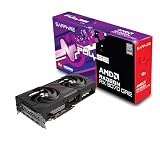
 Sapphire 11322-02-20G Pulse AMD Radeon RX 7900
- Boost Clock: Up to 2525 MHz
- Game Clock: Up to 2330 MHz
- Memory Size/Bus: 24GB/384 bit DDR6
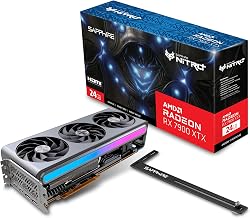
 Sapphire 11322-01-40G Nitro+ AMD Radeon RX 7900
- Boost Clock: Up to 2680 MHz
- Game Clock: Up to 2510 MHz
- Memory Size/Bus: 24GB/384 bit DDR6


As an Amazon Associate we earn from qualifying purchases at no extra cost to you.
This guide cuts through the marketing noise and head-to-head benchmark fatigue to help you make an informed decision. We compare the best custom-cooled RX 7900 XTX cards alongside the standout RTX 5070 Ti options, examining where each excels, where each falls short, and which specific model offers the best blend of thermals, acoustics, and value for your next build.
🛒 Best Price Today on Amazon
Prime members get fast, free shipping on everything above, plus member-only deals. New members get a 30-day free trial — cancel anytime.
Watch: RX 7900 XTX vs RTX 5070 Ti: Which GPU Is Better in 2026? — Video Review
How to Choose a/an RX 7900 XTX vs RTX 5070 Ti
- VRAM and Resolution: The RX 7900 XTX offers 24GB of GDDR6, making it the stronger pick for 4K gaming and memory-heavy workloads. The RTX 5070 Ti’s 16GB of GDDR7 is sufficient for most titles but may bottleneck sooner in heavily modded games or future AAA releases.
- Feature Ecosystem: NVIDIA’s DLSS 4 with multi-frame generation and superior ray tracing performance gives the RTX 5070 Ti a clear edge if you care about cutting-edge visual features. AMD’s FSR 4 is improving but still trails in adoption and image quality consistency.
- Raw Rasterization Value: For pure traditional rasterization performance per dollar, the RX 7900 XTX typically pulls ahead, especially at 1440p and 4K without ray tracing enabled. If you prioritize maximum frames over AI upscaling, AMD is the value leader.
- Power and Thermals: The RTX 5070 Ti is notably more power-efficient, drawing less wattage and generating less heat than the 7900 XTX. If you have a thermal ceiling in a compact case or want a quieter system, NVIDIA’s architecture runs cooler under sustained load.
- Ai and Productivity: For gamers who also stream, render, or use AI tools, the RTX 5070 Ti’s CUDA and Tensor cores provide meaningful productivity advantages. The 7900 XTX can handle these tasks but generally trails in both performance and software ecosystem support.
The Best RX 7900 XTX vs RTX 5070 Tis Reviewed
XFX Speedster MERC310 RX 7900 XTX Black
The MERC310 Black is arguably the premium 7900 XTX on the market, featuring a massive triple-slot cooler that keeps temperatures exceptionally low while maintaining reasonable acoustic levels under sustained 4K loads.
Sapphire Nitro+ RX 7900 XTX Vapor-X
Sapphire’s Nitro+ Vapor-X represents the flagship tier of 7900 XTX cooling design, combining a vapor chamber with their renowned fan engineering for near-silent operation and excellent factory overclock headroom.
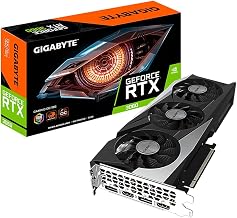
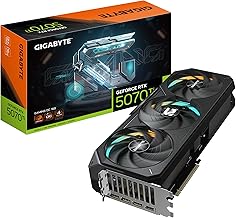
Gigabyte GeForce RTX 5070 Ti Gaming OC
Gigabyte’s Gaming OC 5070 Ti pairs the efficient Blackwell architecture with their proven WINDFORCE cooling system, delivering excellent thermal performance in a reasonably compact form factor that fits most mid-tower builds.
ASRock RX 7900 XTX Phantom Gaming OC
ASRock’s Phantom Gaming OC offers a strong balance of price and performance, with a robust triple-fan cooler and factory overclock that pushes close to premium-tier 7900 XTX performance at a more accessible price point.
Sapphire Pulse RX 7900 XTX
The Sapphire Pulse is the value-focused 7900 XTX that still delivers excellent build quality and thermals, making it ideal for gamers who want AMD’s flagship silicon without paying for premium cooler aesthetics.
Frequently Asked Questions
Is the RX 7900 XTX faster than the RTX 5070 Ti?
In pure rasterization without ray tracing, the RX 7900 XTX generally wins by 10-15% at 4K. However, once DLSS 4 and ray tracing are enabled, the RTX 5070 Ti often pulls ahead in supported titles, making the answer highly game-dependent.
Does 24GB of VRAM actually matter for gaming?
For current titles at 4K, 16GB is sufficient in most cases. However, 24GB provides future-proofing for increasingly memory-hungry engines, heavy texture mods, and games like Alan Wake 2 that already push past 16GB at maximum settings.
Which card is better for 1440p gaming?
Both are overkill for 1440p in traditional rasterization. The RTX 5070 Ti offers better value at this resolution, especially if you want ray tracing. The 7900 XTX only makes sense at 1440p if you plan to upgrade to 4K soon or play extremely demanding sim titles.
Should I wait for next-gen instead?
If you need a GPU now, both are excellent choices. If you can wait 6-12 months, AMD and NVIDIA’s next architectures may offer better ray tracing value and improved efficiency, but pricing remains uncertain.
Final Thoughts
For most gamers prioritizing 4K value and raw performance, the Sapphire Nitro+ RX 7900 XTX Vapor-X is the standout pick, offering exceptional cooling and factory tuning. If ray tracing and feature sets matter most, the Gigabyte RTX 5070 Ti Gaming OC delivers excellent Blackwell performance in a well-priced package. For budget-conscious 4K gamers, the Sapphire Pulse RX 7900 XTX provides flagship AMD performance without the premium cooler tax.