Key takeaways
- VRAM Capacity: The RX 7900 XT’s 20GB of GDDR6 gives it a clear advantage in memory-heavy titles and at 4K resolution with high texture settings, whereas the RTX 4070 Ti Super’s 16GB is ample for most scenarios but less future-proof for extreme texture mods.
- Upscaling and Feature Set: NVIDIA’s DLSS 3 with Frame Generation remains the industry standard for AI-driven upscaling, giving the 4070 Ti Super an edge in supported ray-traced titles. AMD’s FSR 3 has closed the gap considerably, but DLSS still generally produces cleaner image quality.
- Ray Tracing Performance: The 4070 Ti Super pulls ahead in ray-traced workloads thanks to NVIDIA’s dedicated RT cores and superior denoising algorithms. If you play titles like Cyberpunk 2077 or Alan Wake 2 with RT enabled, NVIDIA is the stronger choice.
- Rasterization and Raw Frame Rates: In traditional, non-ray-traced games, the RX 7900 XT typically matches or slightly exceeds the 4070 Ti Super at 1440p and 4K, making it the better value for pure rasterization performance.
- Power Efficiency and Thermals: The RTX 4070 Ti Super is notably more power-efficient, drawing roughly 50W less under load than the 7900 XT. If your PSU is on the smaller side or you prioritize a cool, quiet build, NVIDIA’s efficiency advantage is a meaningful factor.
Choosing between the AMD Radeon RX 7900 XT and the NVIDIA GeForce RTX 4070 Ti Super is one of the most common dilemmas for gamers building a high-end rig around the $700 to $800 mark. Both GPUs deliver excellent 1440p and respectable 4K performance, but they take different routes to get there. Buyers are often torn between AMD’s larger memory buffer and raw rasterization strength on one side, and NVIDIA’s superior ray tracing, DLSS 3 upscaling, and lower power draw on the other.
Our top picks
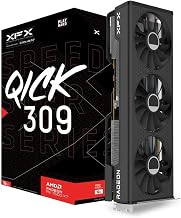
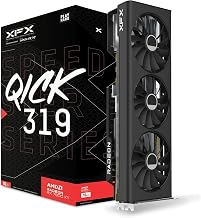
 XFX Radeon RX 7900XT Gaming Graphics Card
- Chipset: AMD RX 7900 XT
- Memory: 20GB GDDR6
- AMD Triple Fan Cooling Solution
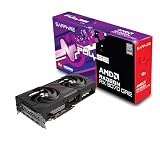
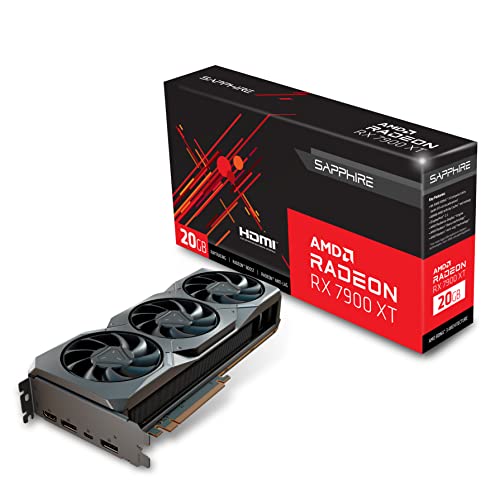 Sapphire 21323-01-20G AMD Radeon RX 7900 XT
- Memory Size: 20 GB
- Memory Interface: 320-bit DDR6
- Form Factor: 3 slot, ATX
| Product | Key specs | |
|---|---|---|
| XFX Radeon RX 7900XT Gaming Graphics Card | Chipset: AMD RX 7900 XT Memory: 20GB GDDR6 AMD Triple Fan Cooling Solution | Check price |
| Sapphire 21323-01-20G AMD Radeon RX 7900 XT | Memory Size: 20 GB Memory Interface: 320-bit DDR6 Form Factor: 3 slot, ATX | Check price |
 PowerColor AMD Radeon RX 7900 XT Graphics PowerColor AMD Radeon RX 7900 XT Graphics | Check price | |
 Sapphire 11323-02-20G Pulse AMD Radeon RX 7900 Sapphire 11323-02-20G Pulse AMD Radeon RX 7900 | Check price | |
 ASUS Prime AMD Radeon RX 9070 XT ASUS Prime AMD Radeon RX 9070 XT | Axial-tech fans now feature a smaller fan hub… Phase-change GPU thermal pad helps ensure optimal heat… 2.5-slot design allows for greater build compatibility while… | Check price |
 GIGABYTE Radeon RX 9070 XT Gaming OC GIGABYTE Radeon RX 9070 XT Gaming OC | Powered by Radeon RX 9070 XT WINDFORCE Cooling System Hawk Fan | Check price |
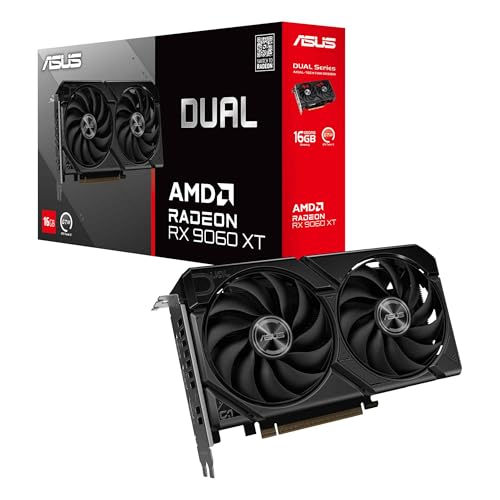 ASUS Dual Radeon RX 9060 XT 16GB ASUS Dual Radeon RX 9060 XT 16GB | Axial-tech fans now feature a smaller fan hub… 2.5-slot design allows for greater build compatibility while… 0dB technology lets you enjoy light gaming in… | Check price |
 GIGABYTE Radeon RX 7900 XT Gaming OC GIGABYTE Radeon RX 7900 XT Gaming OC | Check price |
As an Amazon Associate we earn from qualifying purchases at no extra cost to you.
This guide breaks down exactly how these two architectures compare in real-world gaming, highlights which features matter most for your specific use case, and recommends the best custom-cooled models available right now. Whether you prioritize frame rates in traditional rasterized titles or want the best feature set for ray-traced AAA games, we’ll help you make the right call.
🛒 Best Price Today on Amazon
Prime members get fast, free shipping on everything above, plus member-only deals. New members get a 30-day free trial — cancel anytime.
Watch: RX 7900 XT vs RTX 4070 Ti Super: Which GPU Is Better in 2026? — Video Review
How to Choose an RX 7900 XT vs RTX 4070 Ti Super
- VRAM Capacity: The RX 7900 XT’s 20GB of GDDR6 gives it a clear advantage in memory-heavy titles and at 4K resolution with high texture settings, whereas the RTX 4070 Ti Super’s 16GB is ample for most scenarios but less future-proof for extreme texture mods.
- Upscaling and Feature Set: NVIDIA’s DLSS 3 with Frame Generation remains the industry standard for AI-driven upscaling, giving the 4070 Ti Super an edge in supported ray-traced titles. AMD’s FSR 3 has closed the gap considerably, but DLSS still generally produces cleaner image quality.
- Ray Tracing Performance: The 4070 Ti Super pulls ahead in ray-traced workloads thanks to NVIDIA’s dedicated RT cores and superior denoising algorithms. If you play titles like Cyberpunk 2077 or Alan Wake 2 with RT enabled, NVIDIA is the stronger choice.
- Rasterization and Raw Frame Rates: In traditional, non-ray-traced games, the RX 7900 XT typically matches or slightly exceeds the 4070 Ti Super at 1440p and 4K, making it the better value for pure rasterization performance.
- Power Efficiency and Thermals: The RTX 4070 Ti Super is notably more power-efficient, drawing roughly 50W less under load than the 7900 XT. If your PSU is on the smaller side or you prioritize a cool, quiet build, NVIDIA’s efficiency advantage is a meaningful factor.
The Best RX 7900 XT vs RTX 4070 Ti Supers Reviewed
XFX Radeon RX 7900 XT 20GB
XFX’s RX 7900 XT offers a robust triple-fan cooler and a factory overclock that squeezes extra performance out of the Navi 31 die. The 20GB of VRAM makes it a compelling pick for 4K gaming, and XFX’s build quality is consistently reliable.
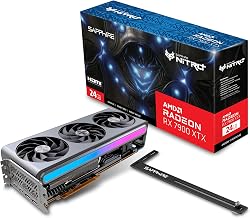
Sapphire Radeon RX 7900 XT 20GB
Sapphire’s premium cooler design keeps the RDNA 3 GPU well below thermal limits even under sustained loads. The sleek black shroud and excellent dual-X cooling solution make this one of the quietest 7900 XT models you can buy.
PowerColor Radeon RX 7900 XT
PowerColor delivers a dependable, no-nonsense take on the RX 7900 XT with solid thermal performance and a competitive price point. It’s a straightforward option for gamers who want AMD’s rasterization strength without paying for flashy aesthetics.
Sapphire Pulse RX 7900 XT 20GB
The Sapphire Pulse line represents the sweet spot of value and performance, offering the full 7900 XT GPU with a refined dual-fan cooler. It runs cool, looks understated, and consistently lands among the most affordable models.
ASUS Prime Radeon RX 9070 XT 16GB OC
For those leaning toward AMD’s newer RDNA 4 architecture, the ASUS Prime RX 9070 XT brings 16GB of GDDR6 and PCIe 5.0 support with a refined dual BIOS design. It’s an appealing option if you want next-gen features at a mid-range price.
Frequently Asked Questions
Which GPU is better for 4K gaming?
The RX 7900 XT generally has a slight edge at 4K due to its larger 20GB VRAM buffer and stronger raw rasterization performance. However, the 4070 Ti Super can close or even reverse that gap in titles that support DLSS 3 and ray tracing.
Is the RTX 4070 Ti Super more power efficient?
Yes, the 4070 Ti Super has a 285W TBP compared to the 7900 XT’s 315W, and in practice, NVIDIA’s Ada architecture tends to draw less power under typical gaming loads. This means less heat, lower fan noise, and more headroom on modest power supplies.
Does the RX 7900 XT support ray tracing?
The RX 7900 XT does support hardware ray tracing, but AMD’s RDNA 3 architecture is less efficient in this area than NVIDIA’s. Ray-traced performance is playable at 1440p, but you’ll generally see higher frame rates and better image reconstruction on the 4070 Ti Super.
Which card is better for streaming and content creation?
The RTX 4070 Ti Super is typically the stronger choice for streamers and creators thanks to NVIDIA’s superior NVENC encoder, broader software ecosystem support, and CUDA acceleration in professional applications like Premiere Pro and DaVinci Resolve.
Final Thoughts
For pure rasterization gaming and maximum VRAM at a competitive price, the Sapphire Pulse RX 7900 XT 20GB is the standout value pick. If you care about ray tracing, DLSS 3, and power efficiency, the RTX 4070 Ti Super is the better all-around investment. Gamers eyeing AMD’s newest architecture should also consider the ASUS Prime RX 9070 XT for its next-gen features and strong 1440p performance.