Key takeaways
- Performance Priorities: If you need absolute maximum rasterization performance for 4K gaming or compute-heavy workloads, the RTX 4090 holds a slight lead. If you prioritize cutting-edge features like DLSS 4 Multi-Frame Generation and efficiency, the RTX 5080 is the better path.
- Power and Thermal Headroom: The RTX 4090 draws up to 450W and demands a robust power supply and massive case clearance. The RTX 5080 operates at a far more efficient 360W, making it easier to fit into mid-tower cases with standard ATX 3.0 power supplies.
- Memory Bandwidth: The RTX 4090 features 24GB of GDDR6X across a 384-bit bus, offering more VRAM headroom for extreme texture mods and AI workloads. The RTX 5080 uses 16GB of faster GDDR7 on a 256-bit bus, which excels in next-generation rendering but has less total capacity.
- Feature Set Parity: Both cards support the latest NVENC encoders and AV1 encoding. However, only the RTX 5080 supports DLSS 4 Multi-Frame Generation natively, giving it a significant advantage in supported titles where frame rates need a dramatic boost.
- Pricing and Availability: RTX 4090 stock is dwindling and pricing remains highly inflated on the secondary market. The RTX 5080 lineup is readily available at MSRP from major board partners, providing significantly better value per dollar for a new build.
Choosing between the NVIDIA RTX 4090 and the new RTX 5080 is one of the most difficult decisions high-end PC builders face today. The RTX 4090 remains a flagship powerhouse with massive raw compute horsepower, while the RTX 5080 brings NVIDIA’s latest Blackwell architecture, faster GDDR7 memory, and next-generation features like DLSS 4 Multi-Frame Generation at a lower power draw. Figuring out which route delivers the best value requires looking beyond simple benchmark charts.
Our top picks

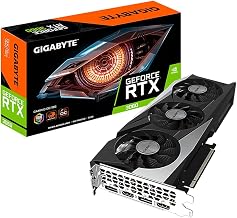
 GIGABYTE GeForce RTX 5080 Gaming OC 16G
- Powered by the NVIDIA Blackwell architecture and DLSS…
- Powered by GeForce RTX 5080
- Integrated with 16GB GDDR7 256bit memory interface


As an Amazon Associate we earn from qualifying purchases at no extra cost to you.
In this guide, we break down the top custom RTX 5080 models on the market right now and explain how they stack up against the outgoing RTX 4090. We cover everything from cooling performance and acoustics to feature parity, so you can make an informed upgrade decision for your next high-end gaming rig.
🛒 Best Price Today on Amazon
Prime members get fast, free shipping on everything above, plus member-only deals. New members get a 30-day free trial — cancel anytime.
Watch: RTX 4090 vs RTX 5080: Which GPU Is Better in 2026? — Video Review
How to Choose a/an RTX 4090 vs RTX 5080
- Performance Priorities: If you need absolute maximum rasterization performance for 4K gaming or compute-heavy workloads, the RTX 4090 holds a slight lead. If you prioritize cutting-edge features like DLSS 4 Multi-Frame Generation and efficiency, the RTX 5080 is the better path.
- Power and Thermal Headroom: The RTX 4090 draws up to 450W and demands a robust power supply and massive case clearance. The RTX 5080 operates at a far more efficient 360W, making it easier to fit into mid-tower cases with standard ATX 3.0 power supplies.
- Memory Bandwidth: The RTX 4090 features 24GB of GDDR6X across a 384-bit bus, offering more VRAM headroom for extreme texture mods and AI workloads. The RTX 5080 uses 16GB of faster GDDR7 on a 256-bit bus, which excels in next-generation rendering but has less total capacity.
- Feature Set Parity: Both cards support the latest NVENC encoders and AV1 encoding. However, only the RTX 5080 supports DLSS 4 Multi-Frame Generation natively, giving it a significant advantage in supported titles where frame rates need a dramatic boost.
- Pricing and Availability: RTX 4090 stock is dwindling and pricing remains highly inflated on the secondary market. The RTX 5080 lineup is readily available at MSRP from major board partners, providing significantly better value per dollar for a new build.
The Best RTX 4090 vs RTX 5080s Reviewed
PNY RTX 5080 Epic-X RGB OC
PNY’s Epic-X RGB OC delivers a strong triple-fan cooling solution and respectable factory overclock, making it a well-balanced option for builders who want reliable performance and clean aesthetics.
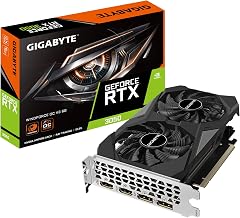
GIGABYTE RTX 5080 Gaming OC 16G
Featuring the proven WINDFORCE cooling system, the GIGABYTE Gaming OC keeps temperatures in check while maintaining a relatively quiet acoustic profile under heavy 4K gaming loads.
ASUS ROG Astral RTX 5080 OC Edition
The ROG Astral pushes boundaries with an aggressive 4-fan design and a patented vapor chamber, ensuring thermals never throttle the Blackwell GPU during sustained rendering sessions.
ZOTAC RTX 5080 Solid CORE OC
With its IceStorm 3.0 advanced cooling and customizable Spectra RGB lighting, the ZOTAC Solid CORE OC strikes a great balance between style, cooling efficiency, and DLSS 4 performance.
MSI RTX 5080 SUPRIM SOC
Pushing an extreme 2760 MHz out of the box, the MSI SUPRIM SOC is engineered for enthusiasts who want maximum out-of-the-box clock speeds and premium build quality.
Frequently Asked Questions
Is the RTX 5080 faster than the RTX 4090?
In raw rasterization, the RTX 4090 remains slightly faster. However, with DLSS 4 enabled, the RTX 5080 can outperform the RTX 4090 in supported games by generating multiple frames.
Will my current power supply support an RTX 5080?
If your power supply is a modern ATX 3.0 unit with a 12V-2×6 connector, a 750W unit is sufficient. For an RTX 4090, NVIDIA recommends a minimum 850W due to its higher power draw.
Does the RTX 4090 support DLSS 4?
The RTX 4090 will receive support for DLSS 4’s transformer-based models, but the Multi-Frame Generation feature is exclusive to the RTX 5080’s Blackwell architecture.
Which card is better for 4K gaming?
Both cards excel at 4K. The RTX 4090 wins on pure native rendering, but the RTX 5080 offers better value and next-gen features that will keep it highly relevant longer.
Final Thoughts
Deciding between these two GPUs comes down to your budget and feature priorities. For an uncompromising flagship experience with excellent thermals, the ASUS ROG Astral RTX 5080 is a phenomenal choice. Builders looking for raw out-of-the-box clock speeds should opt for the MSI RTX 5080 SUPRIM SOC, while the PNY RTX 5080 Epic-X RGB OC delivers the best overall balance of price, acoustics, and 4K performance.