Key takeaways
- VRAM Requirements: The RX 7800 XT ships with 16GB of GDDR6 compared to the RTX 4070’s 12GB. If you play memory-hungry titles or plan to keep the card for several years, the extra headroom matters.
- Ray Tracing and Upscaling: NVIDIA leads in ray tracing performance and offers DLSS 3 with frame generation. AMD’s FSR is open and improving, but DLSS consistently delivers sharper image quality.
- Power Efficiency: The RTX 4070 draws roughly 200W under load versus the RX 7800 XT’s 263W. If you have a smaller PSU or a compact case, NVIDIA’s efficiency advantage is worth weighing.
- Resolution Target: Both handle 1440p comfortably, but the RX 7800 XT pulls ahead in pure rasterization at higher settings. For 4K gaming, neither is ideal, but the 7800 XT’s VRAM gives it an edge in select titles.
- Partner Card Quality: Cooling design, fan noise, and build quality vary significantly between models. Prioritize cards with robust heatsinks, metal back plates, and proven thermal performance.
Building or upgrading a gaming PC in the mid-range tier often comes down to one key decision: AMD’s RX 7800 XT or NVIDIA’s RTX 4070. Both deliver excellent 1440p gaming performance, but they take notably different approaches. The RX 7800 XT leans on raw rasterization muscle and a massive 16GB of VRAM, while the RTX 4070 counters with superior ray tracing, DLSS 3 frame generation, and lower power draw. For many buyers, the choice feels overwhelming because the right answer depends heavily on the games you play and the features you value most.
Our top picks


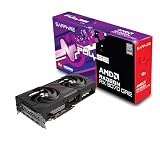
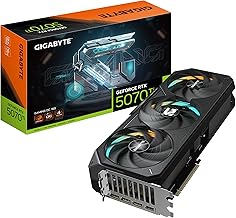
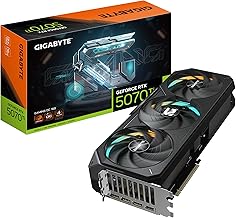
 GIGABYTE Radeon RX 9070 XT Gaming OC
- Powered by Radeon RX 9070 XT
- WINDFORCE Cooling System
- Hawk Fan

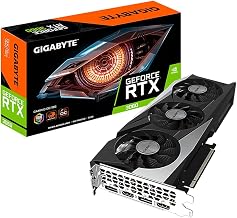
 ASRock AMD Radeon RX 7700 XT Challenger
- High-Performance GPU: AMD Radeon RX 7700 XT with…
- Blazing Fast Clock Speeds: Boost Clock up to…
- Ample Memory Configuration: 12GB GDDR6 memory on a…
As an Amazon Associate we earn from qualifying purchases at no extra cost to you.
This guide breaks down the RX 7800 XT vs RTX 4070 matchup across the factors that actually matter to gamers. We compare real-world gaming performance, VRAM headroom for future titles, feature sets, and partner card quality so you can make an informed call. Below you’ll find our top RX 7800 XT card recommendations, a buying guide, and answers to the most common questions facing anyone shopping this segment.
🛒 Best Price Today on Amazon
Prime members get fast, free shipping on everything above, plus member-only deals. New members get a 30-day free trial — cancel anytime.
Watch: RX 7800 XT vs RTX 4070: Which GPU Is Better in 2026? — Video Review
How to Choose a/an RX 7800 XT vs RTX 4070
- VRAM Requirements: The RX 7800 XT ships with 16GB of GDDR6 compared to the RTX 4070’s 12GB. If you play memory-hungry titles or plan to keep the card for several years, the extra headroom matters.
- Ray Tracing and Upscaling: NVIDIA leads in ray tracing performance and offers DLSS 3 with frame generation. AMD’s FSR is open and improving, but DLSS consistently delivers sharper image quality.
- Power Efficiency: The RTX 4070 draws roughly 200W under load versus the RX 7800 XT’s 263W. If you have a smaller PSU or a compact case, NVIDIA’s efficiency advantage is worth weighing.
- Resolution Target: Both handle 1440p comfortably, but the RX 7800 XT pulls ahead in pure rasterization at higher settings. For 4K gaming, neither is ideal, but the 7800 XT’s VRAM gives it an edge in select titles.
- Partner Card Quality: Cooling design, fan noise, and build quality vary significantly between models. Prioritize cards with robust heatsinks, metal back plates, and proven thermal performance.
The Best RX 7800 XT vs RTX 4070s Reviewed
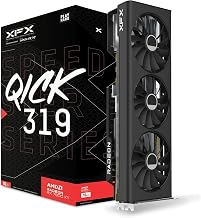
XFX Speedster QICK319 RX 7800 XT Core 16GB
XFX’s QICK319 offers a clean, no-nonsense triple-fan cooler that runs quiet under load while keeping temps well in check. It’s a solid value pick that delivers reference-beating performance without a premium price tag.
GIGABYTE Radeon RX 7800 XT Gaming OC 16G
GIGABYTE’s Gaming OC uses the proven WINDFORCE triple-fan setup with a metal back plate for rigidity and clean heat dissipation. It’s one of the most well-rounded partner cards available, balancing acoustics, thermals, and price effectively.
PowerColor Twin Fan RX 7800 XT 16GB
The PowerColor Twin Fan is the compact option of the group, ideal for smaller cases where a triple-fan cooler simply will not fit. Its dual-fan design still manages thermals respectably, though expect slightly higher fan speeds under sustained load.
Sapphire Pure RX 7800 XT 16GB
Sapphire’s Pure edition brings excellent build quality and a refined dual-fan cooler that prioritizes low noise over aggressive overclocking. It’s the card to get if you want a quiet, premium-feeling build without chasing maximum clock speeds.
GIGABYTE Radeon RX 9070 XT Gaming OC 16G
For those willing to step up, GIGABYTE’s RX 9070 XT Gaming OC on PCIe 5.0 represents the next generation of AMD performance. If your budget allows, this card offers a meaningful jump in rasterization and feature support over the 7800 XT.
Frequently Asked Questions
Is the RX 7800 XT better than the RTX 4070 for gaming?
For pure rasterization performance, the RX 7800 XT generally edges out the RTX 4070, especially at 1440p with high texture settings. However, the RTX 4070 wins in ray tracing and DLSS-supported titles, so the answer depends on which games you play.
Does 16GB of VRAM actually matter for 1440p gaming?
It’s becoming increasingly relevant. Modern AAA titles with high-resolution texture packs can exceed 12GB at 1440p, causing stuttering or texture streaming issues on lower-VRAM cards. The 7800 XT’s 16GB gives you more breathing room for future releases.
Which card uses less power?
The RTX 4070 is significantly more efficient, drawing around 200W compared to the RX 7800 XT’s 263W. If you’re building with a 650W PSU or care about thermals, the NVIDIA option is the safer choice.
Should I wait for the RX 9070 XT instead?
If your budget can stretch to the RX 9070 XT, it offers a genuine generational leap in performance and features. However, if you need a card now at a lower price point, the 7800 XT remains an excellent value for 1440p gaming.
Final Thoughts
The RX 7800 XT vs RTX 4070 debate doesn’t have a single winner because the right choice depends on your priorities. For gamers who want maximum rasterization performance, 16GB of VRAM, and strong value, the XFX Speedster QICK319 and GIGABYTE Gaming OC 7800 XT stand out as top picks. If ray tracing, DLSS, and power efficiency matter more to you, the RTX 4070 is the smarter play. And for those with flexible budgets, the GIGABYTE RX 9070 XT Gaming OC is worth the extra investment for a future-proof build.