Key takeaways
- Resolution target: The RTX 3070 pulls ahead at 1440p thanks to wider memory bandwidth and more CUDA cores, while the RX 7600 is tuned primarily for 1080p gaming with some 1440p capability in lighter titles.
- Ray tracing and upscaling: NVIDIA’s DLSS and superior RT cores give the 3070 a clear advantage in ray-traced titles, whereas the RX 7600 supports FSR 3 and AI upscaling but trails in native RT performance.
- VRAM requirements: Both standard cards ship with 8GB of GDDR6, which is adequate for 1080p but can struggle in modern ultra-settings titles; consider the RX 7600 XT variant if 16GB matters to you.
- New vs. renewed value: Renewed RTX 3070 cards offer exceptional performance per dollar but carry warranty and lifespan risks, while new RX 7600 cards provide full manufacturer coverage and predictable longevity.
- Power and case clearance: The RX 7600 sips power and fits most compact cases, whereas the RTX 3070—especially triple-fan models—demands a beefier PSU and more physical clearance in your chassis.
Choosing between a last-generation NVIDIA powerhouse and a current-generation AMD value pick is one of the most common dilemmas facing budget-conscious PC gamers today. The RTX 3070 launched as a high-end 1440p performer with strong ray tracing and DLSS support, while the RX 7600 brings AMD’s newer RDNA 3 architecture to a more affordable price point. Buyers are often torn: do you chase used-market value on a renewed 3070, or invest in a brand-new 7600 with a full warranty and modern feature set?
Our top picks


As an Amazon Associate we earn from qualifying purchases at no extra cost to you.
This guide breaks down exactly what you need to know to make that call. We compare real-world gaming performance, feature compatibility, thermals, and long-term value across the most relevant cards in each lineup. Whether you prioritize ray tracing, raw rasterization, VRAM headroom, or simply the best dollars-per-frame ratio, the breakdown below will help you cut through the marketing and pick the right GPU for your build.
🛒 Best Price Today on Amazon
Prime members get fast, free shipping on everything above, plus member-only deals. New members get a 30-day free trial — cancel anytime.
Watch: RTX 3070 vs RX 7600: Which GPU Is Better in 2026? — Video Review
How to Choose a/an RTX 3070 vs RX 7600
- Resolution target: The RTX 3070 pulls ahead at 1440p thanks to wider memory bandwidth and more CUDA cores, while the RX 7600 is tuned primarily for 1080p gaming with some 1440p capability in lighter titles.
- Ray tracing and upscaling: NVIDIA’s DLSS and superior RT cores give the 3070 a clear advantage in ray-traced titles, whereas the RX 7600 supports FSR 3 and AI upscaling but trails in native RT performance.
- VRAM requirements: Both standard cards ship with 8GB of GDDR6, which is adequate for 1080p but can struggle in modern ultra-settings titles; consider the RX 7600 XT variant if 16GB matters to you.
- New vs. renewed value: Renewed RTX 3070 cards offer exceptional performance per dollar but carry warranty and lifespan risks, while new RX 7600 cards provide full manufacturer coverage and predictable longevity.
- Power and case clearance: The RX 7600 sips power and fits most compact cases, whereas the RTX 3070—especially triple-fan models—demands a beefier PSU and more physical clearance in your chassis.
The Best RTX 3070 vs RX 7600s Reviewed
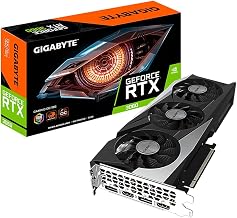
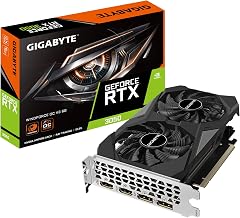
NVIDIA GeForce RTX 3070 (Renewed)
This renewed 3070 delivers the strongest raw performance and ray tracing capability in the comparison, making it the top pick for 1440p gamers willing to accept the risks of a refurbished unit. At its typical price point, it undercuts newer midrange cards significantly while still outpacing the RX 7600 in most rasterized and RT workloads.
EVGA GeForce RTX 3070 Ti FTW3 Ultra
The FTW3 Ultra pairs a beefy triple-fan cooler with EVGA’s premium build quality and ARGB lighting, offering excellent thermal headroom and factory overclock headroom. It is the strongest card here, but its higher price and 8GB buffer mean you should only choose it over the standard 3070 if the premium is modest.
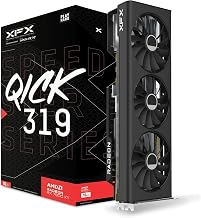
XFX Speedster QICK309 RX 7600 XT 16GB
Doubling the VRAM to 16GB makes this the most future-proof option for gamers concerned about memory bottlenecks in upcoming titles. While the extra memory does not always translate to higher frames today, it provides peace of mind and strong value for buyers planning to keep their GPU for several years.
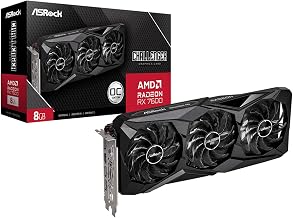
ASRock Radeon RX 7600 Challenger Pro 8GB OC
The Challenger Pro’s triple-fan design keeps temperatures and noise in check while delivering solid 1080p gaming performance at a competitive price. It is the ideal pick for buyers who want a new card with a warranty and do not need the extra VRAM of the XT variant.
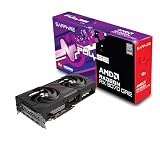
XFX Speedster SWFT210 RX 7600 8GB
With a clean dual-fan cooler and compact dimensions, the SWFT210 is the most practical choice for small-form-factor builders seeking new RDNA 3 performance on a tight budget. It trades blows with the ASRock Challenger in performance, so price and availability should drive your decision.
Frequently Asked Questions
Is a renewed RTX 3070 worth buying over a new RX 7600?
It depends on your risk tolerance and power supply. A renewed 3070 offers meaningfully higher performance, but you sacrifice warranty coverage and accept unknown usage history. If you have a reliable PSU and trust the seller’s refurbishment process, the value is hard to beat.
Can the RX 7600 handle 1440p gaming?
Yes, but with caveats. The RX 7600 is primarily a 1080p card, yet it can manage 1440p in well-optimized titles or with FSR enabled. Expect to dial down settings in demanding AAA games to maintain 60 fps.
Does the RTX 3070 support DLSS 3 frame generation?
No. DLSS 3 frame generation is exclusive to NVIDIA’s RTX 40-series cards. The RTX 3070 supports DLSS Super Resolution and DLSS 2, which still provide strong upscaling performance, but you miss out on the latest frame-generation tech.
How much power supply do I need for these cards?
A quality 550W PSU is generally sufficient for the RX 7600, while the RTX 3070 benefits from a 650W unit, especially for factory-overclocked models like the FTW3 Ultra. Always check the specific power connectors your card requires before buying.
Final Thoughts
For most buyers, the choice comes down to the renewed NVIDIA GeForce RTX 3070 for maximum 1440p and ray tracing performance, or the XFX Speedster QICK309 RX 7600 XT 16GB if you want a new card with long-term VRAM headroom. Budget-focused builders who prioritize a warranty and compact size should look to the XFX Speedster SWFT210 RX 7600 as the safest all-around value pick.