Our Short List of 3
All 5 Picks at a Glance
| Product | Specs | Action |
|---|---|---|
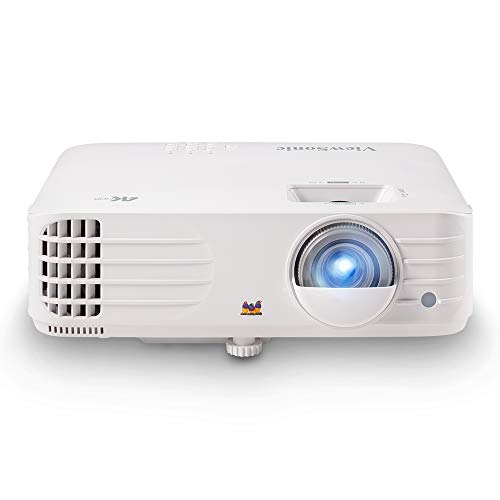 1. ViewSonic PX701-4K | Check price on Amazon | |
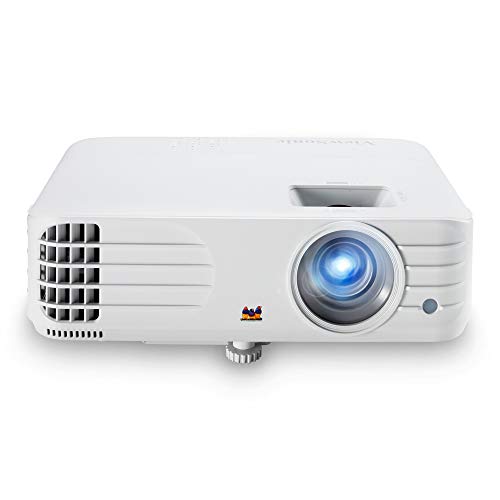 2. ViewSonic PX701HD | Check price on Amazon | |
 3. ViewSonic M2e | Check price on Amazon | |
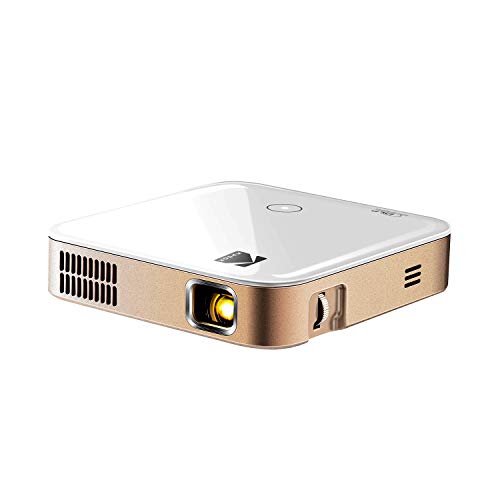 4. Kodak Luma 350 | Check price on Amazon | |
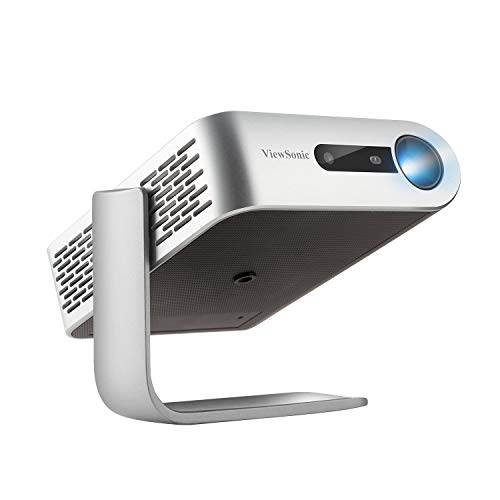 5. ViewSonic M1 | Check price on Amazon |
Key takeaways
- The best american projectors from US brands like ViewSonic and Kodak, with bright 4K, portable, and home theater picks for every room.
The best American projectors come from brands founded and headquartered in the United States, and this guide focuses only on those brands. ViewSonic was founded in California and is headquartered in Brea, California, while Kodak was founded in Rochester, New York, and remains an American brand with a long history in imaging. Both companies design projectors for home theater, gaming, business, and portable use, and their models are widely sold on Amazon US. If you want a projector from an American brand rather than one from an overseas maker, the five picks below cover the main use cases, from a bright 4K home theater unit to a pocket-sized portable model.
A note on scope: this guide judges projectors by brand origin, not by where individual components are made, since almost every projector uses parts sourced from several countries. ViewSonic and Kodak are American brands by founding and headquarters, and every pick below carries one of those two names.
How to Choose
1. Resolution and image quality
Resolution decides how sharp the picture looks at large screen sizes. Native 4K, at 3840 x 2160, gives the sharpest image for movies and games on screens over 100 inches. Native 1080p, at 1920 x 1080, is the practical standard for most living rooms and bedrooms, and it looks crisp up to around 120 inches. Portable models may use 720p or lower native resolution, which is acceptable for casual viewing in a dark room but visibly softer on a large screen. Be careful with listings that say 1080p compatible or 4K supported: those phrases often mean the projector accepts that input signal while its native panel is lower, so always check the native resolution in the specifications.
2. Brightness in lumens
Brightness decides whether you can watch with the lights on or need a dark room. A projector rated at 3,000 ANSI lumens or higher works in a living room with ambient light, while a model under 1,000 lumens needs a darkened room to look its best. Lamp-based home theater models in this guide reach 3,200 to 3,500 lumens, which suits daytime sports and family movie sessions. Portable LED models are dimmer, usually 250 to 400 ANSI lumens, and they are best for evening viewing, camping, or a dark bedroom. Match the brightness to the room, not to the largest number on the box, and remember that ANSI lumens are the comparable standard while unqualified lumen figures can be inflated.
3. Throw distance and screen size
Throw distance is how far the projector sits from the wall or screen, and it decides whether the model fits your room. A standard-throw projector needs roughly 10 to 12 feet for a 100-inch image, while a short-throw model can do the same from half that distance. Check the throw ratio in the listing and measure your room before ordering. Portable models with auto keystone and a flexible stand are more forgiving, since you can place them on a table, a shelf, or even aim them at a ceiling. If the room is small, a portable model or a short-throw design is the safer choice.
4. Light source and lamp life
Lamp-based projectors use a replaceable bulb with a rated life of up to 15,000 to 20,000 hours in eco mode, and they deliver the highest brightness for the money. LED projectors use a solid-state light source rated for up to 30,000 hours, with no bulb to replace, lower heat, and instant on and off. LED models are usually dimmer than lamp models at the same size, but they are quieter, lighter, and better suited to portable use. If you watch several hours a day, LED life is a real advantage; if you need maximum brightness for a lit room, a lamp model wins.
5. Connectivity and smart features
Check the ports before you buy. Two HDMI ports let you connect a console and a streaming stick at the same time without swapping cables. USB-C can carry video from a laptop or phone and charge a device, while a USB-A port can power a streaming dongle. Wi-Fi and Bluetooth add wireless screen mirroring and audio to external speakers or headphones. Some portable models include onboard Android with streaming apps, which means you can watch without any external device, though a separate streaming stick often gives a smoother experience. Make sure the model has the inputs your devices need, since adapters add clutter and cost.
6. Sound and speakers
Built-in speakers vary widely. Home theater projectors often have a single 10-watt speaker that is fine for casual viewing but thin for movies, so plan for a soundbar or external speakers if sound matters. Portable models from ViewSonic include Harman Kardon speakers that sound fuller than typical built-ins, and they can double as a Bluetooth speaker when the projector is off. If you will use the projector outdoors or in a large room, budget for external audio regardless of the built-in speaker, and check for a 3.5 mm audio output or Bluetooth audio support.
7. Portability and setup ease
Portability matters if the projector will move between rooms, travel to a friend’s house, or go camping. Look for weight under 2 pounds, a built-in battery or USB-C power, auto focus, and auto keystone correction, which straighten the image without manual adjustment. A 360-degree stand lets you aim at a wall or ceiling from a table. Fixed home theater models are heavier and need a mount or a stable shelf, but they repay that with higher brightness and sharper images. Decide whether the projector lives in one room or travels, and choose the design that matches that answer.
Top Picks
1. ViewSonic PX701-4K
The ViewSonic PX701-4K is a lamp-based home theater projector with native 4K resolution and 3,200 ANSI lumens, and it is the sharpest pick in this guide. It supports a 240 Hz refresh rate with low input lag, which makes it a strong match for PC and console gaming on a large screen, and it handles HDR content for movies. Auto keystone, horizontal and vertical lens shift, and 1.1x optical zoom make setup flexible, and dual HDMI ports connect a console and a streaming device at the same time.
Specifications include native 3840 x 2160 resolution, 3,200 ANSI lumens, DLP display, HDR support, 240 Hz refresh rate, dual HDMI inputs, USB service port, audio output, and a 10-watt speaker. The lamp life reaches up to 20,000 hours in SuperEco mode, which keeps running costs low over years of regular viewing.
This projector is for home theater and gaming setups where image sharpness and brightness matter most, especially in a living room that is not fully dark. It suits a fixed installation on a shelf or ceiling mount, with a screen size up to 300 inches. The main caveat is that it is a lamp model, so it is larger and heavier than the portable picks here, and it needs a darkened room to show its best contrast despite the high brightness. It also benefits from external speakers for movie nights.
2. ViewSonic PX701HD
The ViewSonic PX701HD is a lamp-based 1080p projector with 3,500 ANSI lumens, and it is the brightest pick in this guide. Its high brightness makes it a good match for living rooms with ambient light, daytime sports, and family viewing where closing every curtain is not practical. SuperColor technology aims for vivid, true-to-life color, and the 16 ms input lag keeps casual gaming responsive. Vertical lens shift and 1.1x optical zoom help with placement, and the powered USB port can run a streaming dongle without a separate adapter.
Specifications include native 1920 x 1080 resolution, 3,500 ANSI lumens, DLP display, 12,000:1 contrast ratio, dual HDMI inputs, VGA input, powered USB port, 3.5 mm audio output, and a 10-watt speaker. Lamp life reaches up to 20,000 hours in SuperEco mode, and the three-year limited warranty on parts and labor is longer than many competing models.
This projector is for living rooms and multipurpose spaces where brightness matters more than 4K resolution. It suits sports, family movies, and casual gaming on a large screen, and it works well as a shared household projector. The main caveat is that it is a 1080p model, so it will not match the PX701-4K for fine detail on very large screens. It is also a fixed-installation design, so it is not meant to travel, and its fan is audible in a quiet room.
3. ViewSonic M2e
The ViewSonic M2e is a portable LED projector with native 1080p resolution and 400 ANSI lumens, built for movie nights that move around the house. It has auto focus and horizontal and vertical keystone correction, so setup takes seconds on a table or shelf. Harman Kardon Bluetooth speakers provide fuller sound than most portables, and the 3-in-1 smart stand doubles as a lens cover and lets you aim the projector at a wall or ceiling. It includes 16 GB of storage, HDMI, USB-C, and Wi-Fi, and it can stream with a dongle.
Specifications include native 1920 x 1080 resolution, 400 ANSI lumens, LED light source rated up to 30,000 hours, Cinema SuperColor, auto focus, H/V keystone, Harman Kardon speakers, HDMI, USB-C, USB-A, microSD slot, and 16 GB internal storage. The compact body fits in a bag, and the LED source means no bulb changes.
This projector is for portable use: bedroom movie nights, backyard screenings after dark, and trips where a full home theater setup is not practical. It suits viewers who value easy setup and good built-in sound over maximum brightness. The main caveat is brightness: 400 ANSI lumens needs a dark room to look its best, so it is not a daytime living room projector. Confirm the exact listing and availability before ordering, since this model has been listed for several years and stock can vary by seller.
4. Kodak Luma 350
The Kodak Luma 350 is a pocket-sized portable smart projector from an American brand with a long imaging history, and it is the smallest pick in this guide. It has onboard Android 6.0 with streaming apps, Wi-Fi, screen mirroring, and a rechargeable battery, so it can play video with no external device and no power cable for a short session. It accepts 4K input and projects up to a 150-inch image, with a built-in speaker and remote control included. The compact metal body fits in a jacket pocket or a small bag.
Specifications include DLP display, 4K input compatibility, onboard Android, Wi-Fi and Bluetooth, screen mirroring, rechargeable battery, remote control, HDMI and USB inputs, and a built-in speaker. The Luma app pairs with a phone for control and content, and the tripod mount on the base fits a standard small tripod for stable placement.
This projector is for travel, camping, and casual movie nights where size and simplicity matter more than brightness or resolution. It suits a bedroom, a dorm room, or a backyard wall after dark, and it is easy to hand to a friend for a weekend. The main caveat is that its native resolution is below 1080p, so the image is softer than the ViewSonic picks here, and its brightness is modest, which limits it to dark rooms. Battery life covers a short movie rather than a long marathon, so bring a power bank or a cable for longer sessions.
5. ViewSonic M1
The ViewSonic M1 is a portable LED projector with a built-in battery and dual Harman Kardon speakers, designed for viewing anywhere without a fixed setup. Its 3-in-1 smart stand works as a lens cover, a power switch, and a 360-degree aiming mount, so you can project onto a wall or a ceiling from a bedside table. Auto keystone straightens the image, and the LED light source is rated up to 30,000 hours with no bulb to replace. HDMI and USB-C inputs connect a laptop, console, or phone, and it can stream with a dongle.
Specifications include WVGA native resolution, LED light source rated up to 30,000 hours, dual Harman Kardon speakers, auto keystone, HDMI, USB-C, USB-A, 3.5 mm audio output, and a built-in battery. The compact body weighs under 2 pounds, and the fabric cover and metal stand give it a durable, travel-friendly design.
This projector is for portable movie nights, kids’ rooms, and travel, where easy setup and good sound matter more than maximum sharpness. It suits casual viewing, presentations on the go, and projecting onto a ceiling from bed. The main caveat is resolution: the M1 is a WVGA model, so it is the softest image in this guide and is best on smaller screen sizes in a dark room. It is not a substitute for a 1080p or 4K home theater projector, and buyers who want a sharp large image should choose the PX701HD or PX701-4K instead.
Comparison Table
| Projector | Brand Origin | Native Resolution | Brightness | Light Source | Best For |
|---|---|---|---|---|---|
| ViewSonic PX701-4K | USA, California | 4K UHD | 3,200 ANSI lumens | Lamp | Home theater and gaming |
| ViewSonic PX701HD | USA, California | 1080p | 3,500 ANSI lumens | Lamp | Bright living rooms |
| ViewSonic M2e | USA, California | 1080p | 400 ANSI lumens | LED | Portable movie nights |
| Kodak Luma 350 | USA, New York | Below 1080p | Modest, dark rooms | LED | Pocket-sized travel |
| ViewSonic M1 | USA, California | WVGA | Modest, dark rooms | LED | Easy portable viewing |
Which One Is Right for You?
If you want the sharpest image from an American brand and have a fixed home theater or gaming room, the ViewSonic PX701-4K is the pick. Its native 4K resolution, high brightness, and low input lag suit movies and games on a large screen, and its lens shift makes installation flexible.
If your living room has ambient light and you watch sports and family movies during the day, the ViewSonic PX701HD is the pick. Its 3,500 ANSI lumens handle lit rooms better than any other model here, and 1080p is sharp enough for most screen sizes.
If you want a portable projector with a sharp image and good built-in sound, the ViewSonic M2e is the pick. Its 1080p resolution, auto focus, and Harman Kardon speakers make it the most capable portable in this guide, as long as you watch in a dark room.
If you need the smallest projector possible for travel and casual viewing, the Kodak Luma 350 is the pick. Its onboard Android, rechargeable battery, and pocket size make it easy to carry anywhere, with the understanding that its image is softer and dimmer than the larger models.
If you want the simplest portable setup with a flexible stand and strong speakers, the ViewSonic M1 is the pick. Its 360-degree stand and built-in battery make it easy to aim at a wall or ceiling, and it is a good choice for bedrooms and kids’ rooms.
Before ordering, measure your room, check the throw distance for the screen size you want, and decide whether the projector will stay in one place or travel. Those three answers narrow the choice faster than any single specification.
Frequently Asked Questions
What makes a projector an American projector?
In this guide, an American projector is one from a brand founded and headquartered in the United States. ViewSonic was founded in California and is headquartered in Brea, California, and Kodak was founded in Rochester, New York. The guide judges brand origin, not where individual parts are manufactured, since projector components are sourced from several countries. If brand origin matters to you, check the brand’s headquarters and founding history rather than the country printed on a single part.
Is ViewSonic an American brand?
Yes. ViewSonic was founded in California in 1987 and is headquartered in Brea, California. It designs and sells monitors, projectors, and interactive displays worldwide, and its projectors are widely sold on Amazon US. The brand is American even though, like most electronics makers, it sources components and manufacturing from several countries.
Is Kodak still making projectors?
Kodak licenses its brand for consumer electronics, including the Luma line of portable projectors sold on Amazon US. The Luma 350 is a compact smart projector with onboard Android, Wi-Fi, and a rechargeable battery.
Do I need a screen for an American projector?
A screen is not required, but it improves the image. A smooth white or light gray wall works well in a dark room, and a dedicated screen adds brightness, contrast, and a flat surface. For portable use, a wall or a portable screen is usually enough, while a fixed home theater setup benefits most from a proper screen.
Disclosure: As an Amazon Associate, we may earn from qualifying purchases.
FAQ
Which One Is Right for You?
What makes a projector an American projector?
Is ViewSonic an American brand?
Is Kodak still making projectors?
Do I need a screen for an American projector?
More from Amazon
Programs that pair well with the guide above. Offers and eligibility are set by Amazon and may change.
Free shipping on eligible items, Prime Video and more. Eligible new members can start with a free trial.
Start a Prime free trialAd-free music streaming. Eligible new subscribers can start with a free trial.
Try Music Unlimited freeA Prime membership for ages 18-24 with a trial period. Eligibility is set by Amazon.
See Prime for Young AdultsAudiobooks and podcasts to listen to on the go. Eligible new members can start with a free trial.
Try Audible freeAs an Amazon Associate we earn from qualifying purchases.