Our Short List of 3
All 5 Picks at a Glance
| Product | Specs | Action |
|---|---|---|
 TP-Link Archer AXE75 Wi-Fi 6E Router | Check price on Amazon | |
 ASUS RT-AX86U Pro Wi-Fi 6 Router | Check price on Amazon | |
 NETGEAR Nighthawk RAX50 Wi-Fi 6 Router | Check price on Amazon | |
 Amazon eero Pro 6E Mesh Router, 1-Pack | Check price on Amazon | |
 TP-Link Archer AX55 Wi-Fi 6 Router | Check price on Amazon |
Our Top Picks
- TP-Link AXE5400 Tri-Band WiFi 6E RouterWiFi 6E, Tri-Band AXE540012.91 x 10.43 x 4.72 inches1.5 poundsCheck on Amazon
The best wireless routers for Comcast high speed internet turn a fast Xfinity connection into Wi-Fi that actually reaches every room. Comcast delivers internet to the home through a coaxial cable modem, and the router is the device that shares that connection over Wi-Fi to laptops, phones, consoles, and smart home gear. A weak router can bottleneck even a gigabit plan, leaving a gaming PC on a wired connection fine while the rest of the house struggles with buffering and dead zones. Choosing the right router matters just as much as choosing the plan itself.
This guide covers wireless routers that work with Comcast Xfinity high speed internet. Every pick below is a standalone router, which means it pairs with a separate Xfinity-compatible cable modem. That separation is worth understanding before buying: Comcast does not use the phone-line DSL setup that some other providers use, and a router alone cannot replace the modem. If you already rent or own a modem, these routers plug into it with a single Ethernet cable. If you do not own a modem yet, buy one that is listed as compatible with Xfinity, then pair it with any router in this guide.
The picks below span that range, from a solid dual-band Wi-Fi 6 router for everyday plans to a tri-band Wi-Fi 6E router with a multi-gigabit port for the fastest Xfinity tiers.
Coverage is the second decision, and it depends on the size and layout of the home. A single powerful router covers most apartments and smaller houses. Larger homes, homes with thick walls, and homes with a dead zone at the far end benefit from a mesh system, where two or three units work together as one network. One pick in this guide is a mesh system for exactly that situation.
Gaming and streaming shape the third decision. A router that supports the latest Wi-Fi standards handles many devices at once with less lag, which matters when someone is gaming online while someone else streams video and smart devices stay connected in the background. The picks below are ordered from the most capable all-rounder to the most affordable solid choice.
How to Choose
1. Match the router to the Xfinity plan
Check the download speed of the Comcast plan first. For plans up to a gigabit, a Wi-Fi 6 router with gigabit ports is enough. For Xfinity gigabit-plus and multi-gigabit plans, look for a router with a 2.5-gigabit WAN port, otherwise the router itself caps the connection at gigabit speed. There is no benefit in paying for multi-gigabit hardware on a mid-tier plan, and there is no point in buying a gigabit-only router for a 2-gigabit plan.
2. Confirm it is a router, not a modem
Comcast internet arrives through a coaxial cable, so the modem must be a cable modem listed as compatible with Xfinity. The routers in this guide are routers only: they connect to the modem by Ethernet and create the Wi-Fi network. If a listing describes a device as a modem-router combination, it is a different product type. Keep the modem and router separate unless you specifically want a combination unit, because separate devices are easier to upgrade one at a time.
3. Choose Wi-Fi 6 or Wi-Fi 6E
Wi-Fi 6 is the current standard for most homes and handles many devices efficiently. Wi-Fi 6E adds a 6 GHz band with extra capacity and less interference, which helps in apartment buildings where dozens of neighbouring networks crowd the 2.4 GHz and 5 GHz bands. Wi-Fi 6E only helps devices that support it, so it is most valuable in a household with newer laptops and phones. Older devices still connect on the 2.4 GHz and 5 GHz bands.
4. Count the bands and the coverage
Dual-band routers broadcast on 2.4 GHz for range and 5 GHz for speed. Tri-band routers add a second 5 GHz band or a 6 GHz band, which gives busy households more room. For a home over roughly 2,500 square feet, or a home with a layout that creates dead zones, a mesh system is usually a better answer than a single more powerful router, because a second node placed halfway to the dead zone fills the gap directly.
5. Look at ports and wired connections
A gaming PC, a console, and a streaming box all perform better on a wired Ethernet connection than on Wi-Fi. Count the LAN ports on the router and make sure there are enough for the devices that sit near it. A dedicated gaming port that prioritises traffic from whatever is plugged into it is a useful bonus. USB ports on a router allow a shared drive or a printer, but they are a secondary feature for most buyers.
6. Check device capacity and parental controls
A modern household can easily have thirty or more connected devices, from phones and laptops to cameras, speakers, and smart bulbs. A router rated for many simultaneous connections keeps that crowd running smoothly. Parental controls, guest networks, and a companion app for managing the network are practical features: a guest network keeps visitors off the main network, and an app makes it simple to pause internet access for a device or check which devices are connected.
7. Consider setup and ongoing management
Most modern routers are set up through a phone app in under half an hour, with the app guiding the connection to the modem and the creation of the Wi-Fi network name and password. After setup, firmware updates keep the router secure and fix bugs, so a router from a brand with a record of regular updates is a safer long-term choice than an obscure model with no update history. Check that the router supports automatic updates or makes manual updates simple.
Top Picks
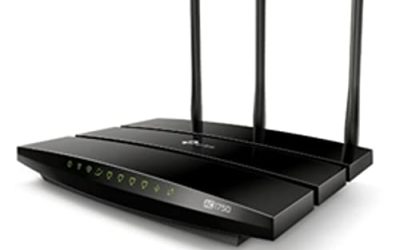
TP-Link Archer AXE75 Wi-Fi 6E Router
TP-Link Archer AXE75 Wi-Fi 6E Router
The TP-Link Archer AXE75 is a tri-band Wi-Fi 6E router and the most capable pick in this guide for Comcast high speed internet. It broadcasts on 2.4 GHz, 5 GHz, and 6 GHz, which gives newer devices a wide-open band with little interference from neighbours. That matters in apartment buildings and dense neighbourhoods where the older bands are crowded. The router includes a 2.5-gigabit port, so it can pass an Xfinity multi-gigabit plan at full speed when paired with a compatible modem, rather than capping the connection at gigabit speed.
Setup runs through the TP-Link Tether app, which walks through connecting the router to the modem and creating the network. The router supports a large number of simultaneous connections, which suits a household with many phones, laptops, consoles, and smart home devices. Parental controls and a guest network are included, and the router can also work as part of a mesh network with other compatible TP-Link units if coverage needs to grow later.
Who it is for: households on Xfinity gigabit or multi-gigabit plans, especially in apartments or dense areas where the 6 GHz band makes a real difference, and anyone who wants a router that will stay current for years.
Caveats: Wi-Fi 6E only benefits devices that support the 6 GHz band; older devices use the 2.4 GHz and 5 GHz bands as usual. The 2.5-gigabit port only helps if the modem and the plan support speeds above a gigabit. Confirm the listing is the standalone AXE75 router, not a bundle, before ordering.
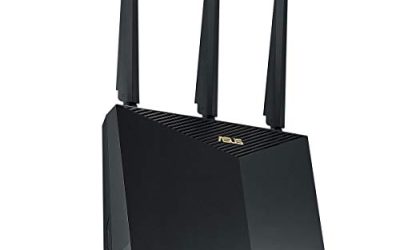
ASUS RT-AX86U Pro Wi-Fi 6 Router
ASUS RT-AX86U Pro Wi-Fi 6 Router
The ASUS RT-AX86U Pro is a dual-band Wi-Fi 6 router built with gaming and heavy household use in mind. It includes a 2.5-gigabit port for multi-gigabit Xfinity plans, a dedicated gaming port that prioritises traffic from the device plugged into it, and a mobile game mode that can be switched on from the companion app. For a household where someone games online while others stream video, that prioritisation keeps latency low when the network is busy.
The router uses ASUS AiMesh, so it can join with other compatible ASUS routers to form a mesh network later if coverage needs to expand. Security features and parental controls are included, and the router supports a large number of connected devices. The vertical design with external antennas suits a shelf or desk near the modem, and the range covers most apartments and mid-size houses from a single unit.
Who it is for: gamers on Xfinity high speed plans who want a wired gaming port and traffic prioritisation, and households that may want to add a mesh node later without replacing the router.
Caveats: this is a dual-band router, so it has no 6 GHz band; in a very crowded apartment building a Wi-Fi 6E model may handle interference better. Confirm the listing is the Pro model, not the standard RT-AX86U, and not a bundle with a second router.
NETGEAR Nighthawk RAX50 Wi-Fi 6 Router
NETGEAR Nighthawk RAX50 Wi-Fi 6 Router
The NETGEAR Nighthawk RAX50 is a dual-band Wi-Fi 6 router aimed at households that want strong coverage and high throughput without stepping up to Wi-Fi 6E. It uses eight streams across the 2.4 GHz and 5 GHz bands and is rated for a large number of simultaneous connections, which suits a home with many devices. Four gigabit LAN ports cover wired connections for a gaming PC, a console, and a streaming box near the router.
The Nighthawk app handles setup and everyday management, including a guest network and parental controls. The router is a good match for Xfinity plans up to a gigabit: its ports are gigabit, so it passes a gigabit plan at full speed but cannot use the extra headroom of a multi-gigabit plan. For the large majority of Xfinity households, that is the right ceiling, and the money saved against a multi-gigabit router can go toward a better modem or a mesh node.
Who it is for: households on Xfinity plans up to a gigabit who want strong Wi-Fi 6 coverage from a single well-known router, including homes with many connected devices.
Caveats: gigabit ports only, so it is not the right pick for a 2-gigabit Xfinity plan. One third-party tracker showed an out-of-stock flag for this listing, but that is tracker data rather than evidence from an opened Amazon page, so confirm availability on the live listing before ordering. Confirm the listing is the RAX50 model, not a different Nighthawk variant.
Amazon eero Pro 6E Mesh Router, 1-Pack
Amazon eero Pro 6E Mesh Router, 1-Pack
The Amazon eero Pro 6E is a tri-band Wi-Fi 6E mesh router, and this listing is the single-unit pack. It is the simplest pick in this guide to set up: the eero app guides the connection to the modem and has the network running in minutes, and the app continues to manage updates, guest access, and device controls afterward. The 6 GHz band gives newer devices extra capacity, and the tri-band design keeps the mesh backhaul from competing with device traffic when more nodes are added.
A single eero Pro 6E covers a mid-size home, and the real strength of the system is that more units can be added later to cover a larger home or eliminate a dead zone, all under one network name. That makes it a good starting point for a household that expects its coverage needs to grow. The unit is compact and unobtrusive, with no external antennas, so it sits easily on a shelf or side table.
Who it is for: households that want the simplest setup and a clear upgrade path to whole-home mesh coverage, and Xfinity customers who want Wi-Fi 6E without a large or complicated router.
Caveats: confirm this is the 1-pack listing before ordering, since 2-pack and 3-pack configurations exist under separate listings, and a newer 1-pack configuration has also been seen under a different code. The eero system is app-managed, so buyers who prefer a traditional web interface may find it limiting.
TP-Link Archer AX55 Wi-Fi 6 Router
TP-Link Archer AX55 Wi-Fi 6 Router
The TP-Link Archer AX55 is a dual-band Wi-Fi 6 router and the most affordable pick in this guide. It covers the essentials for Comcast high speed internet: Wi-Fi 6 efficiency for many simultaneous devices, gigabit ports that pass a gigabit Xfinity plan at full speed, and a companion app for setup and management. For a household on a mid-tier Xfinity plan in an apartment or smaller house, it delivers the speed the plan offers without paying for capacity that will never be used.
The router includes parental controls, a guest network, and support for a large number of connected devices. It can also join a mesh network with other compatible TP-Link units, so coverage can be extended later with an additional node rather than a replacement router. Four antennas provide solid range for a single-unit router at this level.
Who it is for: apartments and smaller homes on Xfinity plans up to a gigabit, and anyone who wants a reliable Wi-Fi 6 router at a modest cost.
Caveats: gigabit ports only, so it is not suited to multi-gigabit Xfinity plans, and it has no 6 GHz band. Confirm the listing is the standard AX55, not the AX55 Pro, which is a different model under its own listing.
Comparison Table
| Router | Wi-Fi standard | Bands | Multi-gigabit port | Best for |
|---|---|---|---|---|
| TP-Link Archer AXE75 | Wi-Fi 6E | Tri-band | Yes, 2.5-gigabit | Fastest Xfinity plans, crowded areas |
| ASUS RT-AX86U Pro | Wi-Fi 6 | Dual-band | Yes, 2.5-gigabit | Gaming, traffic prioritisation |
| NETGEAR Nighthawk RAX50 | Wi-Fi 6 | Dual-band | No, gigabit | Gigabit plans, many devices |
| Amazon eero Pro 6E, 1-pack | Wi-Fi 6E | Tri-band | No, gigabit | Simple setup, mesh expansion |
| TP-Link Archer AX55 | Wi-Fi 6 | Dual-band | No, gigabit | Apartments, mid-tier plans |
Which One Is Right for You?
Start with the Xfinity plan. On a multi-gigabit plan, the choice is between the TP-Link Archer AXE75 and the ASUS RT-AX86U Pro: the AXE75 adds the 6 GHz band for crowded environments, while the RT-AX86U Pro adds the dedicated gaming port and traffic prioritisation. On a gigabit plan, the NETGEAR Nighthawk RAX50 is the strongest single-router option, with the eero Pro 6E as the alternative for households that value simple setup and a mesh upgrade path. On a mid-tier plan in an apartment or smaller home, the TP-Link Archer AX55 covers everything the plan can deliver.
Then consider the home. A single router covers most apartments and houses up to a mid-size footprint. For a larger home or a stubborn dead zone, the eero Pro 6E is the natural starting point because adding a node is straightforward. The TP-Link and ASUS routers can also expand into mesh systems with compatible units from the same brand, so none of these picks locks the household into a dead end.
Remember the modem. Every router here needs an Xfinity-compatible cable modem connected by Ethernet. If the current modem is old or rented, upgrading the modem at the same time as the router is often the change that makes the biggest difference, because an outdated modem can cap speeds before the router ever gets a chance to pass them on.
Frequently Asked Questions
Do these routers work with Comcast Xfinity?
Yes. These are standard wireless routers that connect to a cable modem by Ethernet, and Xfinity internet arrives through a cable modem. Any of them works with Comcast as long as it is paired with an Xfinity-compatible modem. The router does not need to be branded for Xfinity, and no special configuration is required beyond plugging the router into the modem and running setup.
Do I still need a modem if I buy one of these routers?
Yes. A router alone cannot connect to the Comcast coaxial cable. You need a cable modem that is listed as compatible with Xfinity, either rented from Comcast or owned outright. The modem connects to the wall outlet, and the router connects to the modem. Owning the modem usually pays for itself over time compared with renting, but either option works with these routers.
What speed router do I need for Xfinity gigabit internet?
For a gigabit plan, a Wi-Fi 6 router with gigabit ports is enough, and every pick in this guide meets that bar. For plans above a gigabit, choose a router with a 2.5-gigabit port, such as the TP-Link Archer AXE75 or the ASUS RT-AX86U Pro. The router, the modem, and the plan all need to support the speed, or the slowest of the three sets the limit.
Is Wi-Fi 6E worth it for a Comcast connection?
Wi-Fi 6E adds a 6 GHz band with extra capacity and less interference, which helps most in apartment buildings where many neighbouring networks compete on the older bands. It only benefits devices that support 6 GHz, so a household with mostly older devices will see little difference. For a new router that should last several years, Wi-Fi 6E is a reasonable investment; for a household with older devices on a mid-tier plan, Wi-Fi 6 is enough.
Disclosure: As an Amazon Associate, we may earn from qualifying purchases.
FAQ
Which One Is Right for You?
Do these routers work with Comcast Xfinity?
Do I still need a modem if I buy one of these routers?
What speed router do I need for Xfinity gigabit internet?
Is Wi-Fi 6E worth it for a Comcast connection?
More from Amazon
Programs that pair well with the guide above. Offers and eligibility are set by Amazon and may change.
Free shipping on eligible items, Prime Video and more. Eligible new members can start with a free trial.
Start a Prime free trialAd-free music streaming. Eligible new subscribers can start with a free trial.
Try Music Unlimited freeA Prime membership for ages 18-24 with a trial period. Eligibility is set by Amazon.
See Prime for Young AdultsAudiobooks and podcasts to listen to on the go. Eligible new members can start with a free trial.
Try Audible freeAs an Amazon Associate we earn from qualifying purchases.