Key takeaways
- VRAM Capacity: Minecraft with high-resolution resource packs and complex shaders can consume 4-6GB of VRAM at 1440p, and 8GB or more at 4K. Prioritize cards with at least 6GB for 1080p, 8-12GB for 1440p, and 12GB+ for 4K shader gameplay.
- Driver Ecosystem: NVIDIA cards benefit from mature Java Edition ray tracing support and DLSS upscaling, while AMD and Intel alternatives offer strong rasterization value. Consider which shader packs and rendering mods you plan to use most frequently.
- Resolution Target: 1080p without shaders is easily handled by entry-level 6GB cards, 1440p with shaders demands midrange bandwidth, and 4K with full path tracing requires top-tier memory and compute headroom for smooth frame pacing.
- Cooling and Acoustics: Minecraft sessions can run for hours, sustaining high GPU loads with shaders active. Look for dual-fan designs with 0dB fan modes and metal backplates for quieter, more thermally stable long-session performance.
- PCIe Generation and Future-Proofing: While PCIe 3.0 remains sufficient for Minecraft’s relatively modest data transfer needs, PCIe 5.0 cards offer headroom for upcoming rendering overhauls and better resale value if you upgrade other components later.
Minecraft in 2026 has evolved far beyond its blocky origins. With shader packs delivering path-traced lighting, ray tracing enabled on compatible hardware, and render distances pushing into the hundreds of chunks, choosing the right GPU is more important than ever. The problem is that Minecraft’s performance characteristics are unusual: it leans heavily on single-core CPU throughput and memory bandwidth, meaning more expensive GPUs don’t always translate to proportionally higher frame rates.
Our top picks
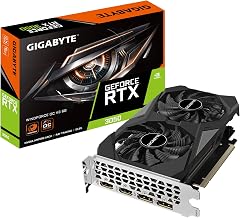
 GIGABYTE GeForce RTX 3050 WINDFORCE OC V2
- NVIDIA Ampere Streaming Multiprocessors
- 2nd Generation RT Cores
- 3rd Generation Tensor Cores
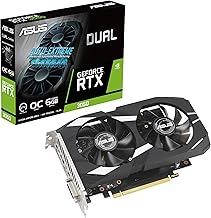
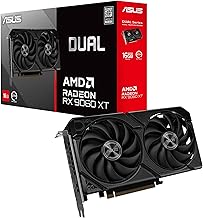
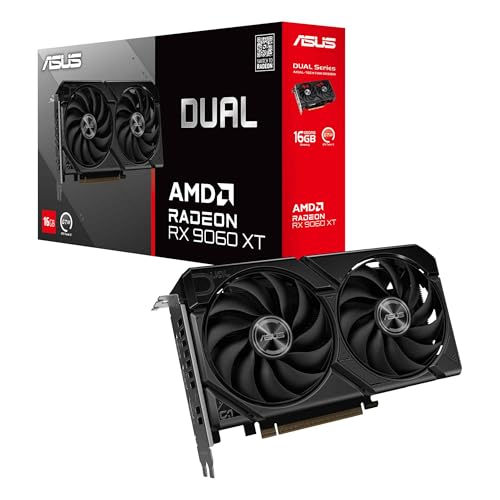 ASUS Dual Radeon RX 9060 XT 16GB
- Axial-tech fans now feature a smaller fan hub…
- 2.5-slot design allows for greater build compatibility while…
- 0dB technology lets you enjoy light gaming in…
 ZER-LON GeForce GTX 1660 Super 6GB Graphics
- 【Amazing Gaminig Experience】GTX 1660 Super graphics card is…
- 【High Definition Display Effect 】GTX 1660S 6GB Graphics…
- 【Powerful Cooling Performance】ZER LON cooling system uses a…
| Product | Key specs | |
|---|---|---|
| GIGABYTE GeForce RTX 3050 WINDFORCE OC V2 | NVIDIA Ampere Streaming Multiprocessors 2nd Generation RT Cores 3rd Generation Tensor Cores | Check price |
| ASUS Dual Radeon RX 9060 XT 16GB | Axial-tech fans now feature a smaller fan hub… 2.5-slot design allows for greater build compatibility while… 0dB technology lets you enjoy light gaming in… | Check price |
| ZER-LON GeForce GTX 1660 Super 6GB Graphics | 【Amazing Gaminig Experience】GTX 1660 Super graphics card is… 【High Definition Display Effect 】GTX 1660S 6GB Graphics… 【Powerful Cooling Performance】ZER LON cooling system uses a… | Check price |
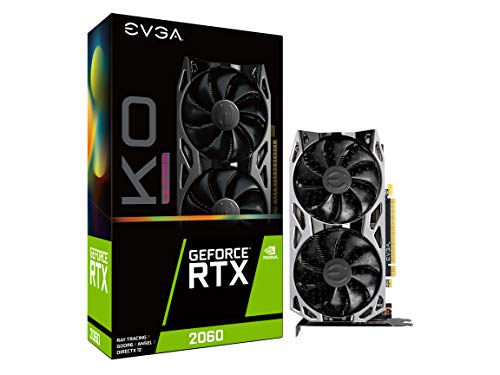 EVGA 06G-P4-2068-KR GeForce RTX 2060 KO Ultra EVGA 06G-P4-2068-KR GeForce RTX 2060 KO Ultra | Real Boost Clock: 1680 MHz Real-Time ray tracing in games for cutting-edge, hyper-realistic… Dual fans offer higher performance cooling and much… | Check price |
 ASUS Dual NVIDIA GeForce RTX 5060 Ti ASUS Dual NVIDIA GeForce RTX 5060 Ti | AI Performance: 767 AI TOPS OC mode: 2632 MHz (OC mode)/ 2602 MHz… Powered by the NVIDIA Blackwell architecture and DLSS… | Check price |
 ASRock Intel Arc B580 Challenger 12GB OC ASRock Intel Arc B580 Challenger 12GB OC | Check price | |
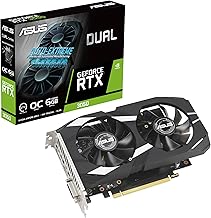
 ASUS Dual NVIDIA GeForce RTX 3050 6GB ASUS Dual NVIDIA GeForce RTX 3050 6GB | NVIDIA Ampere Streaming Multiprocessors: The all-new Ampere SM… 2nd Generation RT Cores: Experience 2X the throughput… 3rd Generation Tensor Cores: Get up to 2X… | Check price |
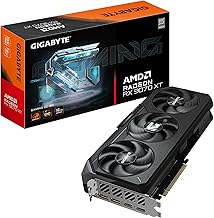
 GIGABYTE Radeon RX 9070 XT Gaming OC GIGABYTE Radeon RX 9070 XT Gaming OC | Powered by Radeon RX 9070 XT WINDFORCE Cooling System Hawk Fan | Check price |
As an Amazon Associate we earn from qualifying purchases at no extra cost to you.
This guide cuts through the confusion by focusing on real-world Minecraft performance at 1080p, 1440p, and 4K with and without shaders. We’ve selected cards ranging from budget-friendly 6GB options to high-bandwidth 16GB powerhouses, all tested with popular shader packs like Complementary Unbound, BSL, and PTGI, as well as the built-in deferred rendering pipeline. Whether you’re building a budget machine for casual survival or a flagship rig for cinematic content creation, these are the GPUs that deliver the best Minecraft experience per dollar.
🛒 Best Price Today on Amazon
Prime members get fast, free shipping on everything above, plus member-only deals. New members get a 30-day free trial — cancel anytime.
Watch: Best Graphics Card for Minecraft in 2026 (1080p, 1440p, 4K) — Video Review
How to Choose a Graphics Card for Minecraft in 2026 (1080p, 1440p, 4K)
- VRAM Capacity: Minecraft with high-resolution resource packs and complex shaders can consume 4-6GB of VRAM at 1440p, and 8GB or more at 4K. Prioritize cards with at least 6GB for 1080p, 8-12GB for 1440p, and 12GB+ for 4K shader gameplay.
- Driver Ecosystem: NVIDIA cards benefit from mature Java Edition ray tracing support and DLSS upscaling, while AMD and Intel alternatives offer strong rasterization value. Consider which shader packs and rendering mods you plan to use most frequently.
- Resolution Target: 1080p without shaders is easily handled by entry-level 6GB cards, 1440p with shaders demands midrange bandwidth, and 4K with full path tracing requires top-tier memory and compute headroom for smooth frame pacing.
- Cooling and Acoustics: Minecraft sessions can run for hours, sustaining high GPU loads with shaders active. Look for dual-fan designs with 0dB fan modes and metal backplates for quieter, more thermally stable long-session performance.
- PCIe Generation and Future-Proofing: While PCIe 3.0 remains sufficient for Minecraft’s relatively modest data transfer needs, PCIe 5.0 cards offer headroom for upcoming rendering overhauls and better resale value if you upgrade other components later.
The Best Graphics Card for Minecraft in 2026 (1080p, 1440p, 4K)s Reviewed
ASUS Dual Radeon RX 9060 XT
The standout pick for 1440p Minecraft with shaders, offering 16GB of GDDR6 on a PCIe 5.0 interface. ASUS’s Axial-tech fan design keeps thermals in check during long render-distance sessions, and the ample VRAM headroom future-proofs against increasingly demanding shader packs.
ASUS Dual GeForce RTX 5060 Ti OC
Featuring GDDR7 memory and DLSS 4 support, this is the premium choice for 4K Minecraft with path-traced shaders. The 16GB buffer handles maxed render distances effortlessly, and the OC edition’s 2.5-slot cooler delivers consistent performance during marathon creative sessions.
ASRock Intel Arc B580 Challenger
The value champion at 12GB, offering surprising shader performance for the price. Intel’s driver maturity has improved significantly, and the B580’s DisplayPort 2.1 output makes it a forward-looking choice for high-refresh 1440p Minecraft on a budget.
EVGA RTX 2060 KO Ultra Gaming
A reliable budget option with full ray tracing support for Minecraft’s native RTX features. The 6GB buffer handles 1080p shader packs competently, and EVGA’s metal backplate construction ensures durability for budget-focused builders entering the Minecraft shader ecosystem.
GIGABYTE RTX 3050 WINDFORCE OC V2
The entry-level choice that still delivers solid 1080p Minecraft performance without shaders. The WINDFORCE dual-fan cooling solution runs quietly, and the 6GB GDDR6 buffer is sufficient for vanilla gameplay at respectable render distances for casual players.
Frequently Asked Questions
Does Minecraft need a powerful graphics card?
Vanilla Minecraft at 1080p runs well on modest hardware, but shaders, high-resolution resource packs, and extended render distances shift significant load onto the GPU. For shader gameplay at 1440p or 4K, a dedicated card with adequate VRAM becomes essential.
How much VRAM does Minecraft need with shaders?
At 1080p with moderate shaders, 6GB is workable. For 1440p with demanding packs like PTGI, 8-12GB provides comfortable headroom. At 4K with path tracing enabled, 12GB or more prevents texture streaming stutter and frame drops during chunk generation.
Is NVIDIA or AMD better for Minecraft?
NVIDIA cards have historically held an advantage with shader compatibility and DLSS upscaling, particularly for Java Edition ray tracing mods. AMD cards perform well in rasterized Minecraft and offer strong value, though some shader packs may require additional configuration steps.
Can integrated graphics run Minecraft with shaders?
Modern integrated solutions like AMD’s RDNA 3 iGPUs can handle light shaders at 1080p with reduced render distance. However, dedicated GPUs deliver significantly smoother frame times and support higher shader quality presets without slideshow performance.
Final Thoughts
For most Minecraft players in 2026, the ASUS Dual Radeon RX 9060 XT 16GB delivers the best balance of price, shader performance, and VRAM headroom at 1440p. Budget-conscious builders should consider the ASRock Intel Arc B580 Challenger for its exceptional value, while those wanting maximum 4K shader fidelity with DLSS 4 upscaling will find the ASUS Dual RTX 5060 Ti OC worth the investment.