Key takeaways
- Headband extension: You want adjustment remaining after the earcups reach your ears. Using the final notch can leave little room to position the cups and may concentrate pressure at the top of your head.
- Clamp force: A tight seal can improve isolation, but strong inward pressure becomes uncomfortable against temples and glasses. Clamp-force figures are rarely published consistently, so treat fit and return policies as more useful than comparisons of measurements from different sources.
- Earcup opening and depth: The opening needs to clear the outer ear, while the cup needs enough depth that your ear does not press against the driver or internal fabric. Outside cup dimensions alone do not tell you either measurement.
- Padding and headband design: Thick, soft pads can distribute pressure, but very plush pads may compress over time. A suspension strap can spread headband load; a narrow, hard band can create a hot spot even when the cups feel spacious.
- Weight: Lighter headphones generally create less downward pull over long sessions. A comfortable headband can still make a heavy headset tiring as it shifts or presses down.
Best headphones for big heads: the short answer
The best headphones for big heads are models with a long, adjustable headband, moderate clamp force, roomy earcups, and enough padding to spread pressure over a long session. For most PC gamers, start with the SteelSeries Arctis Nova 7 if you want a wireless gaming headset with a flexible suspension-style fit, or the Sennheiser HD 560S if you prefer lightweight wired headphones and can use a separate microphone.
Fit varies with head shape, hairstyle, and where the headband rests, so no model is guaranteed to suit everyone. The practical test is whether the headset reaches your ears without being pulled to its last adjustment, sits clear of your jaw, and stays comfortable after an hour—not just whether its published headband length looks generous.
Our top picks
 Soundcore by Anker Q20i Hybrid Active Noise
- Hybrid Active Noise Cancelling: 2 internal and 2…
- Immerse Yourself in Detailed Audio: The noise cancelling…
- 40-Hour Long Battery Life and Fast Charging: With…
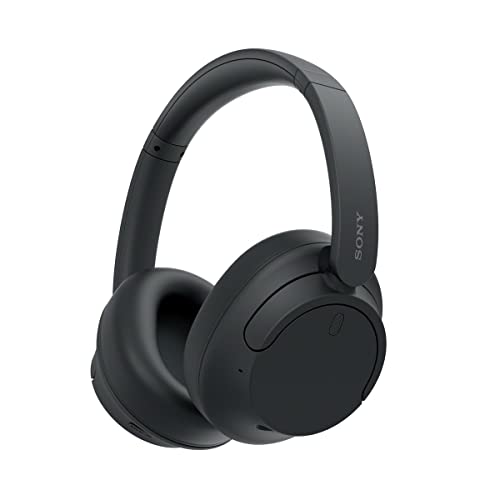 Sony WH-CH720N Wireless Noise Cancelling Over-Ear Headphones
- SONY’S LIGHTEST WIRELESS NOISE CANCELING HEADBAND EVER: Weighing…
- Take noise canceling to the next level with…
- Super comfortable and lightweight design.
 Audio-Technica ATH-M20x Professional Studio Monitor Headphones
- Advanced build quality and engineering
- 40 mm drivers with rare earth magnets and…
- Tuned for enhanced low frequency performance
| Product | Key specs | |
|---|---|---|
| Soundcore by Anker Q20i Hybrid Active Noise | Hybrid Active Noise Cancelling: 2 internal and 2… Immerse Yourself in Detailed Audio: The noise cancelling… 40-Hour Long Battery Life and Fast Charging: With… | Check price |
| Sony WH-CH720N Wireless Noise Cancelling Over-Ear Headphones | SONY’S LIGHTEST WIRELESS NOISE CANCELING HEADBAND EVER: Weighing… Take noise canceling to the next level with… Super comfortable and lightweight design. | Check price |
| Audio-Technica ATH-M20x Professional Studio Monitor Headphones | Advanced build quality and engineering 40 mm drivers with rare earth magnets and… Tuned for enhanced low frequency performance | Check price |
 Bose QuietComfort Bluetooth Headphones Bose QuietComfort Bluetooth Headphones | Effortlessly combines noise cancellation technology with passive features… Plush earcup cushions softly hug your ears, while… These wireless Bluetooth headphones feature Quiet and Aware… | Check price |
As an Amazon Associate we earn from qualifying purchases at no extra cost to you.
What matters more than the product name
- Headband extension: You want adjustment remaining after the earcups reach your ears. Using the final notch can leave little room to position the cups and may concentrate pressure at the top of your head.
- Clamp force: A tight seal can improve isolation, but strong inward pressure becomes uncomfortable against temples and glasses. Clamp-force figures are rarely published consistently, so treat fit and return policies as more useful than comparisons of measurements from different sources.
- Earcup opening and depth: The opening needs to clear the outer ear, while the cup needs enough depth that your ear does not press against the driver or internal fabric. Outside cup dimensions alone do not tell you either measurement.
- Padding and headband design: Thick, soft pads can distribute pressure, but very plush pads may compress over time. A suspension strap can spread headband load; a narrow, hard band can create a hot spot even when the cups feel spacious.
- Weight: Lighter headphones generally create less downward pull over long sessions. A comfortable headband can still make a heavy headset tiring as it shifts or presses down.
Shortlist by fit and gaming setup
| Model | Approx. weight | Connection and mic | Best fit consideration |
|---|---|---|---|
| SteelSeries Arctis Nova 7 | About 325 g | Wireless; built-in boom mic | Suspension-style headband helps distribute pressure; check that its adjustable strap has enough range for your crown. |
| HyperX Cloud III | About 320 g | Wired; detachable boom mic | Memory-foam padding is comfortable for many people, but the firm, closed-back fit may feel snug at the temples. |
| Sennheiser HD 560S | About 240 g | Wired; no built-in boom mic | Low weight and large over-ear cups are attractive for long sessions; its open-back design leaks sound and does not isolate. |
| Beyerdynamic DT 900 PRO X | About 345 g | Wired; no built-in boom mic | Replaceable velour pads and a sturdy headband; the initial clamp can feel firm and may not suit pressure-sensitive users. |
Weights are approximate and can vary with cable or configuration. Compare models in the same setup where possible: a wireless headset’s stated weight may include components that a wired headphone does not.
Choose by the discomfort you need to avoid
| Your situation | A sensible starting point | Why—and what to check |
|---|---|---|
| Pressure at the crown | SteelSeries Arctis Nova 7 | The suspension-style band spreads contact across a strap. Confirm the strap can be adjusted without making the earcups ride too low. |
| Heavy headsets feel tiring | Sennheiser HD 560S | Its approximately 240 g weight reduces downward pull. Add a separate mic if you need voice chat. |
| Need a mic and simple wired connection | HyperX Cloud III | It includes a boom mic and avoids battery charging. Prioritize trying it on if you are sensitive to firm temple pressure. |
| Prefer open-back sound and replaceable pads | Beyerdynamic DT 900 PRO X | Velour pads are replaceable, but open-back headphones provide little isolation and the clamp may take time to feel comfortable. |
How to check fit before committing
- Set the headband before judging the clamp. Extend both sides evenly, then put the cups over your ears. If the band is already at its limit, or the cups sit too high or low, the headset is a poor size match even if it feels acceptable at first.
- Check the ear opening and depth. Your entire outer ear should sit inside the cushion rather than folding against its edge. If the ear touches the driver or inner lining, the cup is too shallow for your ears; extra headband extension will not fix that.
- Wear it for a full session-length trial. Try at least 60–90 minutes, including glasses if you game with them. Notice whether pressure builds at the temples, jaw hinge, or crown, and whether you keep readjusting the cups.
- Move your head and talk. Look down, turn side to side, and speak. A headset that slips during ordinary movement may need a better fit; tightening it can trade slipping for painful clamp pressure.
- Check the return window and pad replacement options. Comfort is difficult to establish from dimensions alone. Make sure the product can be returned under the seller’s stated policy and that replacement cushions are available if long-term pad wear matters to you.
When a headset feels tight: identify the cause first
- Pinching at the temples: The clamp or cup shape may be the problem. Reposition the cups so they surround the ears, rather than resting partly on them. If pressure remains, do not assume the headset will become comfortable through forced stretching.
- Hot spot on top of the head: Adjust the suspension strap or headband so contact is broader and centered. A thin, hard band may simply be a poor match; adding a thick cover can reduce adjustment range and bring the cups out of position.
- Ears touching the inside of the cups: Look for deeper cushions or a model with a larger usable opening. Aftermarket pads can change sound, seal, and fit, so check that they are compatible and designed for that specific headphone.
- Discomfort only with glasses: Thick cushion edges can press frames into your temples. Try adjusting the arms of your glasses and headset position; if the pressure remains, look for softer pads rather than tightening the band.
- Neck fatigue rather than squeezing: Weight and leverage are likely the issue. A lighter headphone may help more than a wider headband, particularly if you lean forward or wear the headset for several hours.
Bottom line
For an all-in-one wireless gaming option, the SteelSeries Arctis Nova 7 is a reasonable first place to check because of its suspension-style headband and built-in microphone. Choose the Sennheiser HD 560S if low weight and an open-back design matter more than isolation or an attached gaming mic. If temple pressure is your main concern, treat the HyperX Cloud III and Beyerdynamic DT 900 PRO X as fit-dependent choices rather than automatic solutions: their padding and build cannot compensate for a cup shape or clamp that does not suit your head.
The right pair is the one that fits before maximum extension, clears your ears, and stays comfortable through a realistic session. A quick fit check can rule out a mismatch; only sustained wear can reveal whether the pressure remains manageable.