Key takeaways
- A drier finish and more obvious spice.
- Stronger contrast between whiskey and vermouth.
- A cocktail that pairs well with orange bitters or a restrained amount of aromatic bitters.
- A Manhattan that remains lively rather than syrupy after dilution.
The best whiskey for a Manhattan cocktail is a 100-proof rye if you want a spicy, structured drink, while a high-rye bourbon is the better all-purpose choice for a rounder Manhattan with more vanilla and caramel.
A Manhattan traditionally combines whiskey, sweet vermouth, and aromatic bitters. The whiskey is not just the alcoholic base: it determines whether the cocktail tastes dry and peppery, rich and dessert-like, or balanced somewhere between the two. Your choice should match the vermouth’s sweetness, the dilution from stirring, and the flavor profile you want in the finished drink.
Our top picks
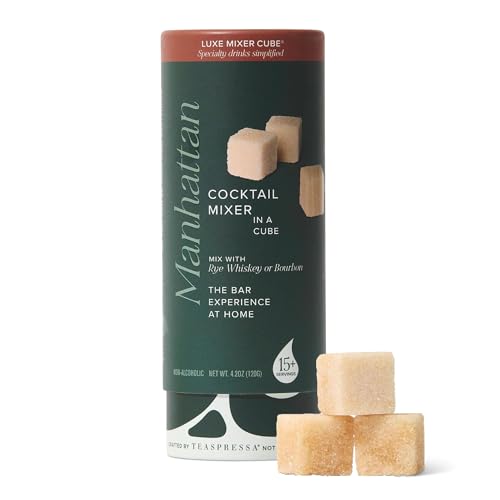

As an Amazon Associate we earn from qualifying purchases at no extra cost to you. Ratings are shown as listed on Amazon.
Quick recommendation: which whiskey should you choose?
| Whiskey choice | Typical proof | Manhattan result | Best for |
|---|---|---|---|
| Rye whiskey | 90–100 proof | Peppery, herbal, lean, and structured | A classic, less-sweet Manhattan |
| High-rye bourbon | 90–101 proof | Spicy but round, with vanilla and caramel | The safest choice for most drinkers |
| Wheated bourbon | 90–100 proof | Soft, sweet, silky, and low in pepper | A mellow dessert-style Manhattan |
| Bottled-in-bond whiskey | 100 proof | Full-bodied and resistant to dilution | A spirit-forward cocktail |
| Canadian whisky | 80–100 proof | Light, smooth, and often gently sweet | A lighter, easy-drinking Manhattan |
Rye whiskey: the classic choice for spice and balance
Rye whiskey is usually the best whiskey for a Manhattan cocktail when you want the drink to taste crisp, aromatic, and unmistakably whiskey-forward. Rye grain contributes pepper, baking spice, mint, dried herbs, and a drier finish. Those flavors counter sweet vermouth instead of reinforcing its sugar.
Rittenhouse Rye Bottled in Bond is a traditional 100-proof option with enough strength and body to remain present after stirring with ice. Old Overholt Bonded and Old Forester Rye are other recognizable choices in a similar style class. Sazerac Rye is often softer and more approachable, making it useful when you want rye character without an aggressively peppery finish.
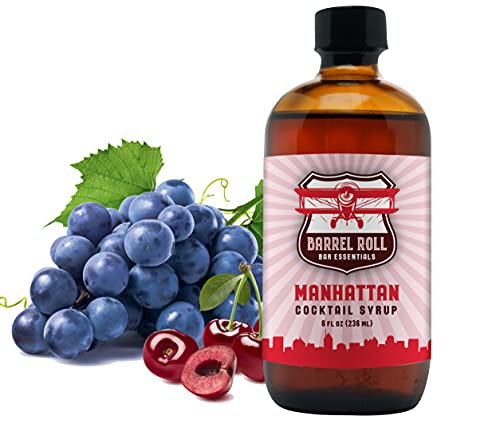
Rye works especially well with vermouth that has noticeable sweetness or rich red-fruit flavors. A standard 2:1 Manhattan ratio—2 ounces whiskey to 1 ounce sweet vermouth—can taste balanced with rye, but a particularly sweet vermouth may call for a 2.5:1 ratio.
Choose rye if you want:
- A drier finish and more obvious spice.
- Stronger contrast between whiskey and vermouth.
- A cocktail that pairs well with orange bitters or a restrained amount of aromatic bitters.
- A Manhattan that remains lively rather than syrupy after dilution.
Bourbon: richer, rounder, and more forgiving
Bourbon generally makes a sweeter and fuller Manhattan because its corn-heavy mash bill emphasizes caramel, vanilla, oak, brown sugar, and baked fruit. It blends into sweet vermouth more seamlessly than rye, creating a plush cocktail with less sharpness.
High-rye bourbons are the most versatile bourbon choice. Wild Turkey 101 Bourbon, Four Roses Bourbon, and Old Forester 100 Proof Bourbon bring enough spice to keep the vermouth from dominating. Buffalo Trace and Woodford Reserve Bourbon offer a rounder profile, with fruit, oak, and vanilla that suit a rich, classic-style Manhattan.
Because bourbon already contributes sweetness, try 2 ounces of bourbon with ¾ ounce of sweet vermouth if your bottle of vermouth tastes particularly sugary. This is not a rigid rule: a dry, bitter, or strongly herbal vermouth may need the full 1-ounce pour.
Choose bourbon if you want:
- A softer, more approachable drink with vanilla and caramel notes.
- Less pepper and herbal sharpness than a rye Manhattan.
- A fuller texture that works well with a brandied cherry garnish.
- A cocktail that remains friendly to drinkers who find rye too intense.
Wheated bourbon: the softest Manhattan profile
Wheated bourbon replaces rye grain with wheat in the flavoring-grain portion of its mash bill. The result is usually a gentler whiskey with less pepper, less mint, and a smoother impression of sweetness. Maker’s Mark is a familiar example, while Larceny and Maker’s Mark 46 offer related options with different levels of oak and baking spice.
A wheated-bourbon Manhattan can become overly sweet if paired with a soft vermouth and a heavy cherry garnish. To keep it balanced, use a vermouth with some bitterness or herbal lift, reduce the vermouth slightly, or add one dash of orange bitters. A 100-proof wheated bourbon is particularly useful because extra alcohol gives the cocktail structure without requiring a harsher flavor profile.
Other whiskey styles worth considering
Canadian whisky
Canadian whisky can produce a lighter Manhattan with delicate spice, oak, and caramel. It is a good fit if you prefer a less forceful cocktail or are using a strongly flavored vermouth. Look for a fuller, higher-proof bottling rather than choosing solely by country of origin; Canadian whisky varies widely in grain blend and maturation.
Irish whiskey
Irish whiskey creates a smooth Manhattan with cereal sweetness, orchard fruit, and gentle oak. It is usually less spicy than rye and less heavy than many bourbons. Powers Gold Label and Redbreast 12 Year are real examples, although the latter’s richer pot-still character can make a more distinctive, fruit-forward drink.
Scotch whisky
Blended Scotch can work in a Manhattan variation, especially when the blend is fruity and lightly smoky. Peated Scotch is a specialist choice: a small amount of smoke can complement vermouth, but too much can overwhelm the cocktail. Use it when you deliberately want an aromatic, savory drink rather than a conventional Manhattan.
How vermouth changes the whiskey decision
Whiskey and vermouth must be chosen as a pair. A sweet, fruit-heavy vermouth can make bourbon taste luxurious but may make a low-proof bourbon Manhattan feel heavy. An herbal or bitter vermouth can sharpen rye’s structure while adding complexity to a lighter Canadian or Irish whiskey.
| Your vermouth profile | Whiskey to favor | Starting ratio | Why it works |
|---|---|---|---|
| Sweet, raisiny, vanilla-led | Rye or high-rye bourbon | 2½:1 | Spice and higher whiskey content prevent cloying sweetness |
| Herbal and bitter | Soft bourbon or Irish whiskey | 2:1 | Rounder whiskey fills out the vermouth’s sharper edges |
| Light and delicate | Medium-bodied bourbon or Canadian whisky | 2:1 | The spirit adds body without burying the vermouth |
| Rich, oak-aged, and intense | 100-proof rye or bourbon | 2½:1 | Higher proof maintains structure against strong flavors |
A reliable Manhattan method
-
Add 2 ounces of whiskey, 1 ounce of sweet vermouth, and 2 dashes of aromatic bitters to a mixing glass.
-
Fill the glass with ice. Use dense, cold ice rather than small, rapidly melting pieces.
-
Stir for about 20–30 seconds. This chills the drink and adds dilution without aerating it.
-
Strain into a chilled coupe or Nick & Nora glass, or serve over one large cube in a rocks glass.
-
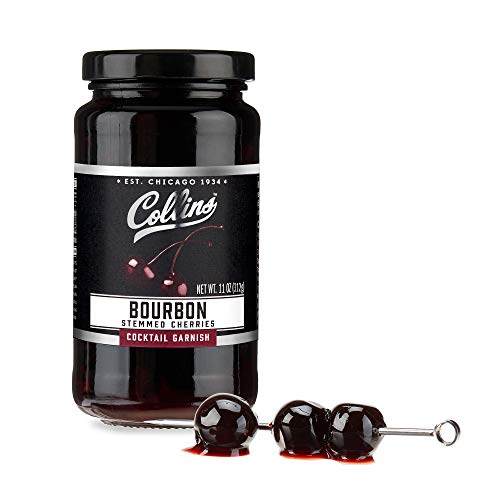
Garnish with a quality brandied cherry for a richer profile or an expressed orange peel for a brighter, drier impression.
The starting recipe contains 3 ounces of liquid before dilution. If stirring adds roughly 20–25 percent water, the finished drink will contain about 3.6–3.75 ounces. That dilution lowers the apparent alcohol intensity while spreading the vermouth and bitters through the whiskey. A 100-proof whiskey in this recipe will typically taste more structured after dilution than an 80-proof whiskey, though the final strength also depends on ice, stirring time, and pour accuracy.
How to adjust a Manhattan that tastes wrong
Too sweet
Use rye, reduce vermouth to ¾ ounce, or add a dash of orange bitters. Do not automatically add more bitters; excessive bitters can make the drink medicinal rather than balanced.
Too sharp or hot
Stir longer, use a slightly softer bourbon, or increase vermouth by ¼ ounce. Extra dilution is often the simplest fix for a high-proof whiskey that dominates the glass.
Too thin
Switch to a 100-proof or bottled-in-bond whiskey, use a larger whiskey pour, or select a fuller-bodied bourbon. A very light Canadian whisky and delicate vermouth can lack the weight expected from a Manhattan.
Too bitter or herbal
Pair the vermouth with a rounder bourbon instead of rye, reduce the bitters, and use an orange twist rather than a strongly flavored cherry. Vermouth quality and freshness also matter: store an opened bottle refrigerated and replace it when its aroma becomes flat or oxidized.
Final verdict
Choose 100-proof rye for the most classic spicy Manhattan, high-rye bourbon for the best balance of spice and sweetness, and wheated bourbon for a soft, rich version. If you are buying one bottle specifically for Manhattans, a 90–101 proof rye or high-rye bourbon gives the widest range of results and stands up well to sweet vermouth, bitters, and dilution.