
Key takeaways
- A small Phillips screwdriver (and a hex key if your cooler uses one).
- Compressed air in short bursts, or a low-power electric duster designed for electronics.
- A soft anti-static brush, such as a clean paintbrush or a dedicated electronics brush.
- Lint-free cloths or microfibre cloths.
- Isopropyl alcohol at a high concentration (the 90 percent range is common for electronics), only if you plan to remove old thermal paste.
- Fresh thermal paste if the cooler comes off the CPU.
- A pen or a tub to keep screws organised.
The fastest safe way to clean a CPU cooler is to power the PC down, unplug it, take the cooler fan assembly off the heatsink if it clips off, blow the fins clear with short bursts of compressed air while holding the fan still, and wipe any stubborn film off with a dry or barely damp lint-free cloth. Most coolers never need to come off the CPU for this. You only need to remove the cooler from the processor if dust is packed too deep to reach, or if the thermal paste has aged and needs replacing.
Our top picks


As an Amazon Associate we earn from qualifying purchases at no extra cost to you.
Quick Answer: Which Cleaning Method Fits Your Situation
| Situation | Method | Remove cooler from CPU? | Time |
|---|---|---|---|
| Light dust on fins, temperatures normal | Compressed air or soft brush, cooler left in place | No | 5 to 10 minutes |
| Thick dust mat between fins | Unclip fan, air blast from the fan side through the fins, brush loose debris | Usually no | 15 minutes |
| Greasy or sticky dust (kitchen, smoking) | Remove fan, wipe fins with cloth lightly dampened in isopropyl alcohol, dry fully | Often yes | 30 minutes |
| Temperatures creeping up despite clean fins | Clean, then replace the thermal paste | Yes | 30 to 45 minutes |
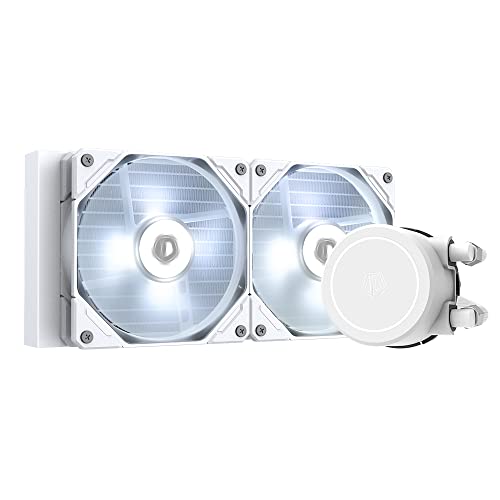
| Cooler is a liquid cooler (AIO) | Clean the radiator and fans only; do not open the loop | No | 15 minutes |
What You Need
- A small Phillips screwdriver (and a hex key if your cooler uses one).
- Compressed air in short bursts, or a low-power electric duster designed for electronics.
- A soft anti-static brush, such as a clean paintbrush or a dedicated electronics brush.
- Lint-free cloths or microfibre cloths.
- Isopropyl alcohol at a high concentration (the 90 percent range is common for electronics), only if you plan to remove old thermal paste.
- Fresh thermal paste if the cooler comes off the CPU.
- A pen or a tub to keep screws organised.
Wikipedia’s overview of computer cooling notes that dust builds up in the crevices of finned heatsinks, especially under the high airflow fans produce, and that using compressed air in an open space is the usual way to clear it. Taking the PC outdoors or to a garage, away from your desk and carpet, keeps the dust from landing straight back inside the case.
Step-by-Step: Cleaning a Cooler in Place
- Shut down and unplug. Turn the PC off at the operating system, switch off the power supply rocker switch, and unplug the mains lead. Press the case power button once to drain residual charge from the board.
- Open the case and lay it on its side if that gives you better access to the cooler.
- Hold the fan blades still. Place a cotton bud, a pencil eraser end or a finger between the blades and the frame. Spinning a fan freely with compressed air can push it far above its normal speed, and the bearing is not designed for that. Reviewers and maker support pages commonly mention this precaution for case and cooler fans.
- Blow the fins clear in short bursts. Keep the can upright, since tilting a can of compressed air can release liquid propellant. Hold it a few centimetres away and work from the side where the dust entered, pushing it back out the way it came. Tower coolers have narrow gaps, so work along the fin direction, not across it.
- Brush loose dust from the fan frame and blade edges. Blades collect a thin layer that air alone often leaves behind.
- Wipe the fan blades with a dry cloth. Use a barely damp cloth only if there is a film, and let everything dry fully before powering up.
- Check the surrounding area. Memory slots, VRM heatsinks beside the socket and the rear case fan collect dust too; a quick pass keeps it from blowing back onto the cooler.
- Reconnect, close the case and boot. Watch the CPU fan spin up and confirm the BIOS or monitoring software reads a normal fan speed.
Removing the Fan First (When the Fins Are Clogged)
Many tower coolers have fans on metal clips or small rubber pins. Squeeze or lift the clips, slide the fan off and disconnect its cable from the fan header on the motherboard (usually labelled CPU_FAN). With the fan out of the way you can see straight through the fin stack. Blow air through from one side and watch for dust leaving the other side. Repeat from the opposite direction if the cooler is dense. Clean the fan separately, then clip it back on in the same orientation so airflow still moves from the front of the case toward the rear or exhaust.
If the cooler uses a fan that is screwed to a shroud rather than clipped, refer to the maker’s manual for the correct way to detach it. Forcing plastic clips can crack them.
When to Take the Cooler Off the CPU
Removing the cooler makes sense in three cases: the fin stack is clogged beyond reach, the cooler needs a deep clean after years of use, or CPU temperatures have drifted upward and clean fins did not fix it. Wikipedia’s computer cooling article lists regular thermal paste replacement as a routine maintenance task, because the compound degrades over time. The right interval depends on the paste and the usage; there is no single figure that applies to every setup, so follow the paste maker’s guidance.
- Power down, unplug and, if your case allows, remove the graphics card or other obstructions for access.
- Unplug the cooler fan cable.
- Loosen the mounting screws in a cross pattern, a little at a time, so pressure releases evenly. Follow the cooler maker’s manual for the exact bracket type.
- If the cooler feels stuck, gently twist it a few degrees to break the paste bond. Do not pull on a stuck cooler; some CPUs can lift out of the socket with it, which can bend pins. This is a known risk with certain sockets, so a gentle twist is the standard advice.
- Clean the cooler base and the CPU lid with a lint-free cloth and isopropyl alcohol. Arctic notes that its optional cleaning packets are made from limonene, which shows paste makers also sell dedicated cleaners; alcohol and a lint-free cloth are the common alternative.
- Let alcohol evaporate completely before applying new paste.
- Apply fresh paste following the paste maker’s pattern guidance. Arctic states its MX-6 is too viscous to spread with a spatula and relies on the cooler’s contact pressure to distribute it, which is a useful reminder that application method depends on the product.
- Refit the cooler, tighten the screws gradually in a cross pattern and reconnect the fan.
Cleaning Method Comparison
| Tool | Good for | Watch out for |
|---|---|---|
| Compressed air can | Fins, fan frames, general dust | Keep upright, short bursts, hold fan blades still |
| Electric duster | Regular maintenance, no cans to buy | Use at a distance; follow the maker’s instructions |
| Soft brush | Fan blades, stubborn surface dust | Anti-static type only; avoid bristles snagging on components |
| Lint-free cloth | Fan blades, cooler base after paste removal | Do not leave fibres on the CPU lid |
| Isopropyl alcohol | Old paste and film | Keep it off the socket and board; allow to dry fully |
| Household vacuum | Not suited to internals | Static discharge risk and strong suction on fans; generally avoided |
Common Mistakes
- Letting the fan free-spin while blasting it with air. Hold the blades still.
- Cleaning with the PC powered or plugged in. Always unplug the mains lead first.
- Using water, glass cleaner or household sprays on components. Use only a barely damp lint-free cloth, and alcohol only where paste removal is needed.
- Re-applying paste without removing the old layer. Mixing old and new paste leaves an uneven layer.
- Too much paste. Excess can squeeze out around the CPU and create mess; follow the amount the paste maker suggests.
- Over-tightening mounting screws or tightening one corner fully before the others, which can tilt the cooler.
- Forgetting the fan header. A cooler cleaned and reinstalled with the fan cable unplugged can overheat the CPU within minutes. Confirm the fan spins on boot.
How Often Should You Clean It?
There is no single schedule. Homes with pets, carpets or smokers collect dust faster. A sensible habit is a quick look every few months and a cleaning when you notice higher fan noise, rising temperatures or visible fuzz on the fins. Dust filters on the case intake reduce how much reaches the cooler, and wiping or rinsing them (when the maker says they are washable) helps more than frequent internal cleaning.
Safety Notes
- Always unplug the PC from the wall before touching internals.
- Ground yourself by touching the bare metal of the case before handling parts, and avoid working on carpet.
- Never open a power supply unit; it can hold dangerous charge even when unplugged.
- Removing a cooler can affect warranty terms on some pre-built systems. Check the system maker’s warranty terms before opening a sealed or stickered machine.
- If a CPU, socket or motherboard looks damaged after cleaning, stop and contact the maker or a technician.
Frequently Asked Questions
Can I clean a CPU cooler without removing it?
Yes, in most cases. Compressed air and a soft brush reach the fins and fan blades with the cooler still mounted. Removal is only needed when dust is packed too deeply or when you want to replace the thermal paste.
Is it safe to use compressed air on a CPU fan?
It is safe if you hold the blades still, keep the can upright and use short bursts. Letting the fan free-spin at high speed from the airflow can stress the bearing. Unplugging the fan cable first is a good extra step.
Do I need to replace thermal paste every time I clean the cooler?
No. If the cooler stays seated, the existing paste stays in place and does not need replacing. Replace it whenever you remove the cooler from the CPU, or if temperatures rise and clean fins do not fix the problem.
What should I use to remove old thermal paste?
A lint-free cloth with high-concentration isopropyl alcohol is the common choice, and some paste makers sell their own cleaning wipes. Let the surfaces dry completely before applying new paste, and keep the liquid away from the socket.
Can I wash a CPU cooler with water?
Bare metal heatsinks can in principle be rinsed, but fans, shrouds and any attached electronics should never be soaked. The safer path is dry cleaning with air and a cloth. If you do wash a part, the maker’s manual should say it is allowed, and it must be fully dry before reuse.
Why are my temperatures still high after cleaning?
Common causes are aged thermal paste, a loose or unevenly tightened mount, a fan not spinning at the speed the BIOS expects, or poor case airflow. Check the fan header setting in the BIOS first, then consider re-seating the cooler with fresh paste. If it persists, contact the cooler maker.
FAQ
How Often Should You Clean It?
Can I clean a CPU cooler without removing it?
Is it safe to use compressed air on a CPU fan?
Do I need to replace thermal paste every time I clean the cooler?
What should I use to remove old thermal paste?
Can I wash a CPU cooler with water?
Why are my temperatures still high after cleaning?
More from Amazon
Programs that pair well with the guide above. Offers and eligibility are set by Amazon and may change.
Free shipping on eligible items, Prime Video and more. Eligible new members can start with a free trial.
Start a Prime free trialAd-free music streaming. Eligible new subscribers can start with a free trial.
Try Music Unlimited freeA Prime membership for ages 18-24 with a trial period. Eligibility is set by Amazon.
See Prime for Young AdultsAudiobooks and podcasts to listen to on the go. Eligible new members can start with a free trial.
Try Audible freeAs an Amazon Associate we earn from qualifying purchases.



