Key takeaways
- Form Factor and Case Clearance: Pay close attention to the physical dimensions and slot width. Cards like the GIGABYTE WINDFORCE OC SFF are designed for compact cases, while 3.125-slot monsters like the ASUS TUF models require a spacious mid-tower to prevent airflow starvation.
- Cooling Solution: Look for robust thermal designs if you plan to push overclocks or game for extended sessions. Dual-fan setups are quieter and sufficient for standard 5070s, while triple-fan WINDFORCE or Axial-tech systems are better suited for the hotter-running 5070 Ti variants.
- VRAM and Memory Bandwidth: Match the memory to your resolution. The standard 12GB GDDR7 configuration is perfect for 1080p and 1440p gaming, but stepping up to a 16GB 256-bit model is highly recommended if you plan to game at 4K or utilize heavy AI workloads.
- PCIe and Display Standards: Ensure your motherboard and monitor support the latest standards. All these cards utilize PCIe 5.0 for maximum bandwidth, and models featuring HDMI 2.1 and DisplayPort 2.1 allow for uncompressed high-refresh-rate 4K output without adapter limitations.
- Warranty and Component Quality: Consider the longevity of your investment. ASUS TUF cards, for instance, feature military-grade components and protective PCB coatings backed by a 3-year warranty, providing extra peace of mind for heavy daily use.
Finding the right graphics card has never been more complicated. With the launch of Nvidia’s latest Blackwell architecture, gamers and creators are flooded with options that promise exceptional performance, but cutting through the marketing jargon to find the model that actually fits your needs is a genuine challenge. Whether you are building a compact small-form-factor PC, upgrading from an aging RTX 30-series card, or chasing high-refresh-rate 1440p gaming, choosing the wrong variant can mean wasted money, thermal throttling, or a card that simply doesn’t fit your case.
Our top picks


As an Amazon Associate we earn from qualifying purchases at no extra cost to you. Ratings are shown as listed on Amazon.
This guide is designed to eliminate the guesswork. We have rounded up the best RTX 5070 and RTX 5070 Ti models available right now, alongside a compelling next-generation alternative. We break down the differences between stock and overclocked editions, compare cooling solutions like Gigabyte’s WINDFORCE and ASUS’s Axial-tech designs, and highlight exactly which card belongs in which type of build. Here is everything you need to know before you buy.
🛒 Best Price Today on Amazon
Prime members get fast, free shipping on everything above, plus member-only deals. New members get a 30-day free trial — cancel anytime.
Watch: Nvidia Geforce Rtx 5070 Review: Review & Buyer’s Guide — Video Review
How to Choose an Nvidia Geforce RTX 5070
- Form Factor and Case Clearance: Pay close attention to the physical dimensions and slot width. Cards like the GIGABYTE WINDFORCE OC SFF are designed for compact cases, while 3.125-slot monsters like the ASUS TUF models require a spacious mid-tower to prevent airflow starvation.
- Cooling Solution: Look for robust thermal designs if you plan to push overclocks or game for extended sessions. Dual-fan setups are quieter and sufficient for standard 5070s, while triple-fan WINDFORCE or Axial-tech systems are better suited for the hotter-running 5070 Ti variants.
- VRAM and Memory Bandwidth: Match the memory to your resolution. The standard 12GB GDDR7 configuration is perfect for 1080p and 1440p gaming, but stepping up to a 16GB 256-bit model is highly recommended if you plan to game at 4K or utilize heavy AI workloads.
- PCIe and Display Standards: Ensure your motherboard and monitor support the latest standards. All these cards utilize PCIe 5.0 for maximum bandwidth, and models featuring HDMI 2.1 and DisplayPort 2.1 allow for uncompressed high-refresh-rate 4K output without adapter limitations.
- Warranty and Component Quality: Consider the longevity of your investment. ASUS TUF cards, for instance, feature military-grade components and protective PCB coatings backed by a 3-year warranty, providing extra peace of mind for heavy daily use.
The Best Nvidia Geforce RTX 5070 Reviews Reviewed
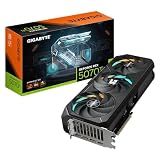
GIGABYTE RTX 5070 WINDFORCE OC SFF 12G
This compact dual-slot card is the ultimate choice for small-form-factor builders who refuse to sacrifice performance. The WINDFORCE cooling system runs remarkably quiet, keeping the 12GB GDDR7 memory thermally stable even in tight cases with restricted airflow.
ASUS TUF Gaming RTX 5070 OC Edition
Built with military-grade components and a protective PCB coating, this TUF model is a tank designed for longevity. The 3.125-slot design and Axial-tech fans deliver excellent cooling for sustained overclocking sessions at 1440p.
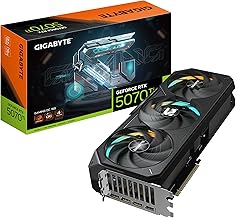
GIGABYTE RTX 5070 AERO OC 12G
The AERO OC offers a sleek, silver-white aesthetic that stands out in custom showcase builds. Beyond its looks, the robust WINDFORCE cooling ensures stable, quiet operation while easily handling demanding 1440p gaming loads.
GIGABYTE RTX 5070 Ti Gaming OC 16G
Stepping up to 16GB of 256-bit GDDR7 memory, this Ti variant provides a significant bandwidth leap for 4K gaming and complex content creation. The triple-fan WINDFORCE setup efficiently dissipates heat from the higher-tier Blackwell silicon.
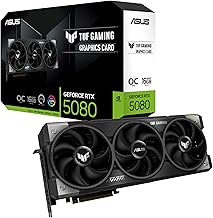
ASUS TUF Gaming RTX 5070 Ti OC Edition
For gamers wanting maximum frame rates without paying flagship prices, this card pairs premium military-grade components with exceptional thermal headroom. The 3-year warranty makes it one of the most reliable high-performance investments on the market.
Frequently Asked Questions
Is the standard RTX 5070 good enough for 4K gaming?
While the 12GB GDDR7 memory can handle some 4K titles, the standard 5070 is best suited for high-refresh-rate 1440p. For a smoother native 4K experience, stepping up to a 16GB 5070 Ti is highly recommended.
What power supply do I need for an RTX 5070 Ti?
You should pair an RTX 5070 Ti with a high-quality 700W or 750W power supply. Ensure your unit has the appropriate PCIe 5.0 power connectors to safely deliver stable power to the card under heavy load.
Are these cards compatible with older PCIe 4.0 motherboards?
Yes, all of these graphics cards are backward compatible with PCIe 4.0 slots. While they are designed for PCIe 5.0 to maximize bandwidth, gaming performance will see only a negligible, single-digit percentage drop on older boards.
Does DLSS 4 work on all the cards listed?
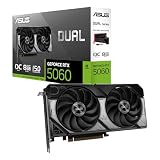
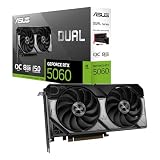
Yes, the Blackwell architecture fully supports DLSS 4 multi-frame generation. Even the ASUS Dual RTX 5060 included in our roundup supports this AI-driven technology, drastically boosting frame rates in supported titles.
Final Thoughts
Ultimately, the best card comes down to your specific build parameters and performance targets. For compact PC builders, the GIGABYTE RTX 5070 WINDFORCE OC SFF 12G is an unbeatable choice. If you want maximum longevity and premium cooling, the ASUS TUF Gaming RTX 5070 Ti OC Edition stands out as a top-tier investment. For those on a tighter budget who still want next-generation features, the ASUS Dual RTX 5060 8GB remains a highly capable and efficient alternative.