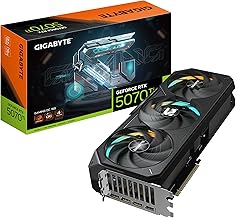
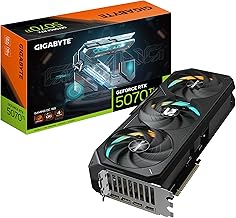
Choosing between the latest mid-range flagship GPUs is no simple task, especially when AMD and NVIDIA are fighting tooth and nail for the 1440p gaming crown. Buyers are caught between AMD’s aggressive pricing and raw rasterization muscle on the RX 9070 XT and NVIDIA’s feature-rich ecosystem powered by the RTX 5070. Figuring out which ecosystem offers the best tangible value for your specific monitor, game library, and budget requires cutting through a wall of marketing jargon and benchmark minutiae.
Our top picks
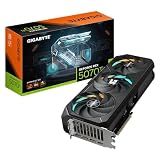
 GIGABYTE Radeon RX 9070 XT Gaming OC
- Powered by Radeon RX 9070 XT
- WINDFORCE Cooling System
- Hawk Fan
 ASUS Prime AMD Radeon RX 9070 XT
- Axial-tech fans now feature a smaller fan hub…
- Phase-change GPU thermal pad helps ensure optimal heat…
- 2.5-slot design allows for greater build compatibility while…
 ASRock Radeon RX 9070 XT Challenger 16GB
- Next-Gen RDNA 4 Architecture: Features AMD's latest RDNA…
- High-Frequency Performance: Boost clock up to 2970 MHz…
- Advanced Cooling System: Triple fan design with Striped…
| Product | Key specs | |
|---|---|---|
| GIGABYTE Radeon RX 9070 XT Gaming OC | Powered by Radeon RX 9070 XT WINDFORCE Cooling System Hawk Fan | Check price |
| ASUS Prime AMD Radeon RX 9070 XT | Axial-tech fans now feature a smaller fan hub… Phase-change GPU thermal pad helps ensure optimal heat… 2.5-slot design allows for greater build compatibility while… | Check price |
| ASRock Radeon RX 9070 XT Challenger 16GB | Next-Gen RDNA 4 Architecture: Features AMD's latest RDNA… High-Frequency Performance: Boost clock up to 2970 MHz… Advanced Cooling System: Triple fan design with Striped… | Check price |
 PowerColor Reaper AMD Radeon RX 9070 XT PowerColor Reaper AMD Radeon RX 9070 XT | Power Connector: Two 8-pin PCI Express Power Connector Minimum System Power: 750W Internal Card Length: 289 mm | Check price |
 GIGABYTE Radeon RX 9070 XT Gaming OC GIGABYTE Radeon RX 9070 XT Gaming OC | Powered by Radeon RX 9070 XT WINDFORCE Cooling System RGB Lighting | Check price |
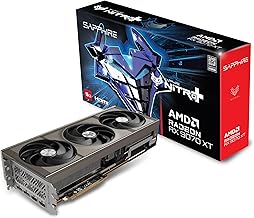 Sapphire 11348-01-20G Nitro+ AMD Radeon™ RX 9070 Sapphire 11348-01-20G Nitro+ AMD Radeon™ RX 9070 | Check price | |
 Sapphire 11348-03-20G Pulse AMD Radeon™ RX 9070 Sapphire 11348-03-20G Pulse AMD Radeon™ RX 9070 | Memory Size: 16 GB Memory Interface: 256-bit GDDR6 Output: 2 x HDMI, 2 x DisplayPort | Check price |
 XFX Swift AMD Radeon RX 9070 XT XFX Swift AMD Radeon RX 9070 XT | Chipset: AMD RX 9070 XT Memory: 16 GB GDDR6 XFX SWFT Triple Fan Cooling Solution | Check price |
As an Amazon Associate we earn from qualifying purchases at no extra cost to you.
This guide breaks down the RX 9070 XT versus the RTX 5070 to help you make a confident, informed purchase. We focus on the most important differentiators—real-world gaming performance, upscaling tech, thermal headroom, and overall value—while highlighting the best custom AIB partner cards currently available. Whether you prioritize raw frame rates or cutting-edge AI-driven features, we will point you toward the right card for your rig.
🛒 Best Price Today on Amazon
Prime members get fast, free shipping on everything above, plus member-only deals. New members get a 30-day free trial — cancel anytime.
Watch: RX 9070 XT vs RTX 5070: 2026 Comparison — Video Review
How to Choose an RX 9070 XT vs RTX 5070
- Rasterization vs Ray Tracing: The RX 9070 XT generally pulls ahead in raw rasterization performance, delivering higher base frame rates in traditional rendering. The RTX 5070 excels in ray-traced titles, maintaining better stability when heavy lighting calculations are in play.
- Upscaling Ecosystem: NVIDIA’s DLSS remains the gold standard for AI upscaling, offering superior image reconstruction. AMD’s FSR has closed the gap significantly, but DLSS still edges out the competition at lower render resolutions.
- VRAM and Resolution: With 16GB of GDDR6 memory, the RX 9070 XT provides more breathing room for high-resolution textures and future-proofing. The RTX 5070’s memory configuration is highly efficient but may face constraints in memory-hungry titles.
- Power Efficiency: NVIDIA typically holds the crown for power-to-performance ratios, meaning less heat generation and smaller PSU requirements. AMD’s RDNA architecture draws more wattage but pairs that with higher raw compute output.
- Software Features: Consider NVIDIA’s robust creator suite, including superior video encoding and AI productivity tools. AMD counters with open-source initiatives and highly competitive software that covers all the basics for the average gamer.
The Best RX 9070 XT vs RTX 5070s Reviewed
GIGABYTE RX 9070 XT Gaming OC 16G
GIGABYTE’s Gaming OC delivers a stellar balance of aggressive clock speeds and quiet acoustics. The triple-fan array and robust PCIe 5.0 design make it a top-tier choice for gamers pushing high-refresh-rate 1440p panels without breaking a sweat.
ASUS Prime RX 9070 XT OC Edition
ASUS brings its renowned build quality to the RDNA 4 space with a compact 2.5-slot design that fits most cases. The dual BIOS and premium axial-tech fans ensure reliable cooling, backed by a solid three-year warranty for total peace of mind.
ASRock RX 9070 XT Challenger 16GB OC
ASRock’s Challenger offers an impressive boost clock paired with triple-fan cooling to keep thermals in check under heavy load. It provides an excellent entry point into high-end RDNA 4 performance without the premium price tag of flagship tiers.
PowerColor Reaper RX 9070 XT 16GB
PowerColor’s Reaper focuses on raw performance and aggressive cooling to keep the RDNA 4 silicon running optimally. It represents a fantastic value proposition for buyers wanting uncompromising 1440p gaming performance on a strict budget.
Sapphire Nitro+ RX 9070 XT Gaming OC
Sapphire’s Nitro+ represents the pinnacle of AMD AIB partner engineering, featuring a massive cooler for virtually silent operation and excellent overclocking headroom. It is the ultimate choice for enthusiasts who demand the absolute best cooling and aesthetic refinement.
Frequently Asked Questions
Is the RX 9070 XT better than the RTX 5070 for 1440p gaming?
For pure rasterization and base frame rates, the RX 9070 XT generally outperforms the RTX 5070. However, if your favorite games utilize heavy ray tracing or you prefer DLSS, the RTX 5070 might offer a smoother, visually superior experience.
How much power supply do I need for these graphics cards?
A reliable 750W power supply is highly recommended for the RX 9070 XT to handle its peak power spikes safely. The RTX 5070 is more power-efficient and can typically run comfortably on a high-quality 650W unit.
Does the RTX 5070 have better features than the RX 9070 XT?
NVIDIA features like DLSS 4, Reflex, and superior AV1 encoding give the RTX 5070 an edge in AI upscaling and content creation. AMD counters with FSR 4 and generally more VRAM, which helps with raw texture handling at higher resolutions.
Are these cards good for 4K gaming?
Both cards can handle light 4K gaming, especially when leveraging upscaling technologies, but they are primarily designed for high-refresh-rate 1440p. For a consistent native 4K experience, stepping up to a higher-tier flagship GPU is highly recommended.
Final Thoughts
Choosing between these architectures comes down to your priorities: raw rasterization and value favor the RX 9070 XT, while ray tracing and AI upscaling lean toward the RTX 5070. For team red, the Sapphire Nitro+ RX 9070 XT stands out for its unmatched cooling, while the GIGABYTE RX 9070 XT Gaming OC remains a top recommendation for its perfect blend of performance, acoustics, and price.