Building or upgrading a high-end gaming PC means making a significant investment in your graphics card, and the choices at the top of the market have never been more complex. With NVIDIA’s latest Blackwell architecture pushing frame rates, ray tracing, and AI-driven upscaling to new heights, buyers face a bewildering array of options spanning the RTX 5070 Ti, RTX 5080, and the flagship RTX 5090. Figuring out which tier matches your resolution, refresh rate, and budget requires cutting through spec sheets and marketing jargon.
Our top picks
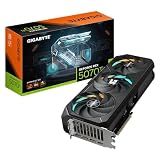
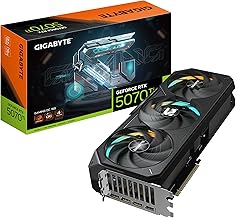
 GIGABYTE GeForce RTX 5070 Ti Gaming OC
- Powered by the NVIDIA Blackwell architecture and DLSS…
- Powered by GeForce RTX 5070 Ti
- Integrated with 16GB GDDR7 256bit memory interface
 PNY NVIDIA GeForce RTX™ 5080 Epic-X RGB™
- Axial-Fan Tech Built to Endure - Triple 100mm…
- Masterfully Crafted Cooling - Advanced vapor chamber and…
- Epic-X ARGB Lighting 2.0 - Craft your command…
 ZOTAC Gaming GeForce RTX 5090 AMP Extreme
- Powered by the NVIDIA Blackwell architecture and DLSS…
- 32GB GDDR7, 512-bit, 28 Gbps, PCIE 5.0
- IceStorm 3.0 Advanced Cooling, 3x 100mm BladeLink fans,…
| Product | Key specs | |
|---|---|---|
| GIGABYTE GeForce RTX 5070 Ti Gaming OC | Powered by the NVIDIA Blackwell architecture and DLSS… Powered by GeForce RTX 5070 Ti Integrated with 16GB GDDR7 256bit memory interface | Check price |
| PNY NVIDIA GeForce RTX™ 5080 Epic-X RGB™ | Axial-Fan Tech Built to Endure - Triple 100mm… Masterfully Crafted Cooling - Advanced vapor chamber and… Epic-X ARGB Lighting 2.0 - Craft your command… | Check price |
| ZOTAC Gaming GeForce RTX 5090 AMP Extreme | Powered by the NVIDIA Blackwell architecture and DLSS… 32GB GDDR7, 512-bit, 28 Gbps, PCIE 5.0 IceStorm 3.0 Advanced Cooling, 3x 100mm BladeLink fans,… | Check price |
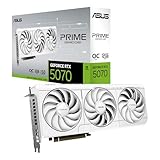
 ZOTAC Gaming GeForce RTX 5070 AMP White ZOTAC Gaming GeForce RTX 5070 AMP White | Powered by the NVIDIA Blackwell architecture and DLSS… SFF-Ready Enthusiast GeForce Card, 12GB GDDR7, 192-bit, 28… IceStorm 2.0 Cooling, 3x 90mm BladeLink fans, Composite… | Check price |
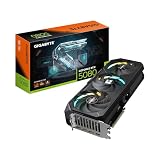
 GIGABYTE GeForce RTX 5080 Gaming OC 16G GIGABYTE GeForce RTX 5080 Gaming OC 16G | Powered by the NVIDIA Blackwell architecture and DLSS… Powered by GeForce RTX 5080 Integrated with 16GB GDDR7 256bit memory interface | Check price |
 PNY NVIDIA GeForce RTX™ 5070 Ti Epic-X PNY NVIDIA GeForce RTX™ 5070 Ti Epic-X | Axial-Fan Tech Built to Endure - Triple 90mm… Masterfully Crafted Cooling - Advanced vapor chamber and… Epic-X ARGB Lighting 2.0 - Craft your command… | Check price |
 ASRock AMD Radeon RX 7700 XT Challenger ASRock AMD Radeon RX 7700 XT Challenger | High-Performance GPU: AMD Radeon RX 7700 XT with… Blazing Fast Clock Speeds: Boost Clock up to… Ample Memory Configuration: 12GB GDDR6 memory on a… | Check price |
 ASUS Prime AMD Radeon™ RX 9070 XT ASUS Prime AMD Radeon™ RX 9070 XT | Check price |
As an Amazon Associate we earn from qualifying purchases at no extra cost to you.
This guide breaks down the highest-end GPUs currently available, comparing real-world gaming performance, cooling design, feature sets like DLSS 4, and overall value. Whether you are targeting 4K 144Hz gaming, building a compact powerhouse, or wanting the absolute fastest silicon money can buy, we have compared and ranked the top contenders to help you make the right call.
🛒 Best Price Today on Amazon
Prime members get fast, free shipping on everything above, plus member-only deals. New members get a 30-day free trial — cancel anytime.
Watch: Highest End Gpu: Review & Buyer’s Guide — Video Review
How to Choose a Highest End Gpu
- Resolution and Refresh Rate: Match the card to your display — RTX 5070 Ti handles 1440p high-refresh and entry 4K, RTX 5080 excels at 4K, and RTX 5090 is built for uncompromised 4K or even multi-monitor setups.
- VRAM Capacity: 12GB works for 1440p but may limit future 4K textures; 16GB is the sweet spot for high-end longevity; 32GB is future-proof for extreme resolutions and content creation.
- Cooling and Acoustics: Look for triple-fan designs with advanced heat pipe systems like WINDFORCE or IceStorm, especially if you plan to push sustained 4K loads or overclock.
- Case Clearance and Power: These flagship cards are large and power-hungry — verify physical length, PCIe slot spacing, and that your PSU meets the recommended wattage with the proper 12VHPWR connectors.
- Feature Set Priorities: DLSS 4, PCIe 5.0 bandwidth, HDMI 2.1, and DisplayPort 2.1 support all matter depending on whether you prioritize upscaling quality, high-refresh monitors, or VR headset compatibility.
The Best Highest End Gpus Reviewed
ZOTAC Gaming GeForce RTX 5090 AMP Extreme Infinity
The undisputed performance king, this 32GB GDDR7 monster delivers class-leading 4K frame rates and massive headroom for AI workloads. Its IceStorm 3.0 cooling and Spectra 2.0 ARGB lighting make it as visually striking as it is fast.
PNY NVIDIA GeForce RTX 5080 Epic-X RGB OC
Offering superb 4K gaming at a more measured price than the 5090, this triple-fan overclocked card balances raw Blackwell performance with reliable thermals and attractive RGB styling.
GIGABYTE GeForce RTX 5080 Gaming OC 16G
A thoughtfully tuned 5080 with GIGABYTE’s proven WINDFORCE triple-fan cooler, this card runs quiet and cool under load while delivering excellent 4K gaming with 16GB of GDDR7 bandwidth.
GIGABYTE GeForce RTX 5070 Ti Gaming OC 16G
The value play of the flagship tier, this 5070 Ti provides 1440p dominance and respectable 4K performance with full 16GB VRAM, making it the smartest choice for price-conscious enthusiasts.
PNY NVIDIA GeForce RTX 5070 Ti Epic-X RGB OC
Featuring a 2640 MHz boost clock and DLSS 4 support, this triple-fan card delivers premium Blackwell performance with strong factory overclocking and robust cooling at a competitive price.
Frequently Asked Questions
Is the RTX 5090 worth the premium over the RTX 5080?
For most gamers, no — the 5080 delivers outstanding 4K performance. The 5090 is worth it only if you need maximum frame rates at 4K high-refresh, run multi-monitor setups, or use your PC for intensive AI and rendering workloads.
How much VRAM do I need for 4K gaming?
For modern 4K gaming with high-resolution textures, 16GB is the current sweet spot and provides good future-proofing. 12GB works but may require texture reductions in the heaviest titles, while 32GB is overkill for gaming alone.
Will these high-end GPUs fit in a mid-tower case?
Most quality mid-tower cases can accommodate triple-fan cards, but always check the manufacturer’s maximum GPU length specification. Some flagship models approach or exceed 340mm, which may require removing drive bays or limiting radiator placement.
What power supply do I need for a top-tier GPU?
Plan for at least an 850W gold-rated PSU for RTX 5070 Ti or 5080 builds, and 1000W or higher for the RTX 5090. Ensure your PSU has a native 12VHPWR connector to avoid adapter-related power issues.
Final Thoughts
For most high-end gamers, the PNY RTX 5080 Epic-X RGB OC and GIGABYTE RTX 5080 Gaming OC hit the ideal balance of 4K performance, thermals, and value. Those wanting the absolute pinnacle of gaming horsepower should step up to the ZOTAC RTX 5090 AMP Extreme Infinity, while budget-conscious builders chasing excellent 1440p and solid 4K performance will be well served by the GIGABYTE RTX 5070 Ti Gaming OC.