Key takeaways
- GPU and VRAM: The graphics card is the single biggest factor in gaming performance. Aim for current-generation mobile GPUs with at least 8GB of VRAM to handle modern textures and higher resolutions without choking. An RTX 5060 or RTX 5050-class GPU will drive most AAA titles at 1080p high settings, while anything with integrated graphics like Radeon 660M or Vega 8 is strictly for budget or esports-tier gaming.
- CPU and Core Count: A capable processor prevents bottlenecks and keeps background tasks smooth. Look for 6 to 8 high-performance cores — an Intel Core i7-14650HX or AMD Ryzen 7 H255 handles modern gaming and multitasking well. Avoid low-wattage U-series chips if your primary goal is gaming, as they trade sustained performance for battery efficiency.
- Display Quality and Refresh Rate: Panel speed matters as much as resolution. Prioritize a 16:10 FHD+ or WQXGA display with at least 120Hz and a low response time (3ms or better) for crisp motion and reduced blur. Avoid 60Hz panels entirely, and treat 165Hz as the sweet spot for competitive play before diminishing returns set in.
- RAM and Storage Configuration: 16GB of DDR5 is the practical floor for modern gaming; 24GB offers comfortable headroom for multitasking and future-proofing. For storage, a 512GB NVMe SSD is the minimum acceptable size, but 1TB Gen 4 is strongly preferred since modern game installs regularly exceed 100GB and you’ll fill smaller drives within months.
- Thermals, Connectivity, and Build: A laptop is only as good as its cooling — inadequate thermal design causes GPU throttling that erodes the performance you paid for. Look for robust vapor chamber or multi-fan designs, Wi-Fi 6E or Wi-Fi 7 for low-latency online play, and at least one USB-C port with charging support for versatility on the go.
Finding the right gaming laptop in 2026 means navigating a maze of new mobile GPUs, shifting CPU lineups, and aggressive marketing claims that make every machine sound like a must-buy. Buyers regularly waste money on specs they don’t need, overpay for flashy chassis with weak cooling, or settle for last-generation panels and storage that bottleneck real-world frame rates. The stakes are higher than ever: this year’s releases have widened the performance gap between budget and premium tiers, making informed component selection critical.
Our top picks





As an Amazon Associate we earn from qualifying purchases at no extra cost to you. Ratings are shown as listed on Amazon.
This guide cuts through the noise and breaks down exactly what to look for in a gaming laptop right now, from GPU VRAM and display refresh rates to thermal design and expandability. We’ve selected top models across price points, referenced real hardware configurations, and organized the key purchasing criteria so you can match a machine to your budget and playstyle without second-guessing. Here are the standout options.
🛒 Best Price Today on Amazon
Prime members get fast, free shipping on everything above, plus member-only deals. New members get a 30-day free trial — cancel anytime.
Watch: What to Look for in a Gaming Laptop — Video Review
How to Choose a What to Look for in a Gaming Laptop (2026)
- GPU and VRAM: The graphics card is the single biggest factor in gaming performance. Aim for current-generation mobile GPUs with at least 8GB of VRAM to handle modern textures and higher resolutions without choking. An RTX 5060 or RTX 5050-class GPU will drive most AAA titles at 1080p high settings, while anything with integrated graphics like Radeon 660M or Vega 8 is strictly for budget or esports-tier gaming.
- CPU and Core Count: A capable processor prevents bottlenecks and keeps background tasks smooth. Look for 6 to 8 high-performance cores — an Intel Core i7-14650HX or AMD Ryzen 7 H255 handles modern gaming and multitasking well. Avoid low-wattage U-series chips if your primary goal is gaming, as they trade sustained performance for battery efficiency.
- Display Quality and Refresh Rate: Panel speed matters as much as resolution. Prioritize a 16:10 FHD+ or WQXGA display with at least 120Hz and a low response time (3ms or better) for crisp motion and reduced blur. Avoid 60Hz panels entirely, and treat 165Hz as the sweet spot for competitive play before diminishing returns set in.
- RAM and Storage Configuration: 16GB of DDR5 is the practical floor for modern gaming; 24GB offers comfortable headroom for multitasking and future-proofing. For storage, a 512GB NVMe SSD is the minimum acceptable size, but 1TB Gen 4 is strongly preferred since modern game installs regularly exceed 100GB and you’ll fill smaller drives within months.
- Thermals, Connectivity, and Build: A laptop is only as good as its cooling — inadequate thermal design causes GPU throttling that erodes the performance you paid for. Look for robust vapor chamber or multi-fan designs, Wi-Fi 6E or Wi-Fi 7 for low-latency online play, and at least one USB-C port with charging support for versatility on the go.
The Best What to Look for in a Gaming Laptop (2026)s Reviewed
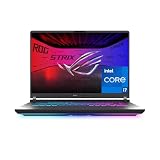
ASUS ROG Strix G16 (2025)
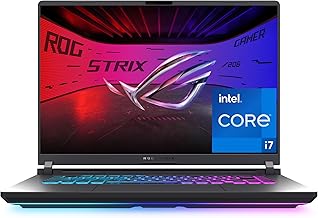
The standout pick for serious gamers, pairing an RTX 5060 with a 14650HX CPU and a 165Hz/3ms 16:10 panel for excellent 1080p high-refresh performance. With 16GB DDR5, a 1TB Gen 4 SSD, and Wi-Fi 7, this configuration covers every base for competitive and AAA gaming alike.
Alienware 16 Aurora
A premium-tier option with an RTX 5050 and Intel Core 7 240H, this machine targets gamers who want strong 1080p performance in a refined chassis. The WQXGA 120Hz display, 1TB SSD, and Wi-Fi 7 make it a well-rounded choice for players who value screen real estate and build polish.
KAIGERR 2026 Gaming Laptop
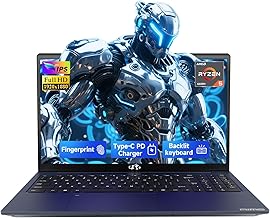
Powered by an AMD Ryzen 7 H255 (8C/16T up to 4.9GHz) with 24GB DDR5 and a 512GB NVMe SSD, this model delivers strong multitasking headroom for its price. Its Radeon RX Vega 8 graphics are best suited for esports and lighter titles rather than demanding AAA settings.
NIMO 15.6″ IPS FHD
A budget-friendly option with a Ryzen 5 6600H and Radeon 660M GPU that handles older games and esports at moderate settings. The 16GB DDR5, backlit keyboard, and 100W Type-C support give it solid everyday utility beyond pure gaming.
KAIGERR Ryzen 7 43O0U Laptop
The most affordable pick in this lineup, using a Ryzen 7430U with Vega integrated graphics and 16GB DDR4 for light gaming and general productivity. It’s a reasonable entry point for casual gamers and students who need a versatile daily laptop rather than a dedicated gaming rig.
Frequently Asked Questions
Is a dedicated GPU necessary for gaming in 2026?
For modern AAA titles at reasonable settings, yes. Integrated graphics like the Radeon 660M or Vega 8 can handle esports and older games, but a dedicated GPU such as the RTX 5050 or 5060 is essential for playable frame rates in current releases.
How much RAM do I need in a gaming laptop?
16GB of DDR5 is the practical minimum for smooth modern gaming and multitasking. Stepping up to 24GB offers future-proofing if you stream, run Discord and browser tabs alongside games, or want to extend the laptop’s useful lifespan.
Does refresh rate matter more than resolution for gaming?
For most laptop gamers, a 165Hz refresh rate with a 3ms response time delivers a more noticeable improvement in fast-paced games than bumping from FHD to higher resolution. Competitive players should prioritize panel speed; immersive single-player gamers may prefer resolution.
Is 512GB of storage enough for a gaming laptop?
It fills up quickly. With modern AAA installs commonly exceeding 100GB, a 512GB SSD holds only a handful of large games before you need to manage or expand storage. A 1TB SSD is the recommended target, and look for laptops with an open M.2 slot for future expansion.
Final Thoughts
For buyers seeking the best balance of gaming performance, display quality, and modern connectivity, the ASUS ROG Strix G16 with its RTX 5060 and 165Hz panel is the clear top pick. The Alienware 16 Aurora offers a strong premium alternative with its WQXGA display and refined design, while the KAIGERR 2026 with 24GB of RAM stands out for budget-conscious buyers who want multitasking headroom without sacrificing too much on the gaming side.