Key takeaways
- Platform compatibility: DDR4 and DDR5 use physically different slots, so your motherboard and CPU determine which standard you can use. AM5 and LGA 1700 (with a 700-series board) support DDR5, while AM4 and older Intel platforms are DDR4-only.
- Speed vs latency: DDR5 wins on raw frequency, but higher CAS latencies can offset gains at lower tiers. Aim for DDR5-6000 CL30 to CL36 for the best balance, or DDR4-3600 CL16 if you are staying on DDR4.
- Capacity and configuration: 16GB is the minimum for modern gaming, but 32GB (2x16GB) is the sweet spot for longevity, multitasking, and newer titles that push memory harder. Two sticks are almost always preferable to four for stability.
- XMP and EXPO support: Look for kits with Intel XMP 3.0 and AMD EXPO profiles so you get rated speeds with a single toggle in BIOS. Manually tuning secondary timings is rewarding but unnecessary for most builders.
- Aesthetics and clearance: Tall RGB heat spreaders can conflict with larger air coolers. Low-profile kits are safer for tight builds, while RGB adds visual flair if your case and cooler allow the height.
What's inside
Choosing between DDR4 and DDR5 RAM is one of the most common dilemmas PC builders face today. DDR5 offers higher stock frequencies, improved power management, and larger bank groups, but DDR4 matured into a deeply affordable platform with tight latencies that still punch above their weight in many titles. The problem is that marketing claims, spec sheets, and benchmark snippets rarely give you the full picture — you need real-world context for gaming and GPU pairings.
As an Amazon Associate we earn from qualifying purchases.


This guide breaks down the practical differences between DDR4 and DDR5 for gaming, highlights the best current kits across both standards, and explains what actually matters when pairing memory with your CPU and graphics card. Whether you are upgrading an existing AM4 or LGA 1200 build or starting fresh on AM5 or LGA 1700, these picks cover the strongest options available.
🛒 Best Price Today on Amazon
Prime members get fast, free shipping on everything above, plus member-only deals. New members get a 30-day free trial — cancel anytime.
Watch: DDR5 vs DDR4 RAM: Does It Matter in 2026? — Video Review
How to Choose a/an DDR5 vs DDR4 RAM
- Platform compatibility: DDR4 and DDR5 use physically different slots, so your motherboard and CPU determine which standard you can use. AM5 and LGA 1700 (with a 700-series board) support DDR5, while AM4 and older Intel platforms are DDR4-only.
- Speed vs latency: DDR5 wins on raw frequency, but higher CAS latencies can offset gains at lower tiers. Aim for DDR5-6000 CL30 to CL36 for the best balance, or DDR4-3600 CL16 if you are staying on DDR4.
- Capacity and configuration: 16GB is the minimum for modern gaming, but 32GB (2x16GB) is the sweet spot for longevity, multitasking, and newer titles that push memory harder. Two sticks are almost always preferable to four for stability.
- XMP and EXPO support: Look for kits with Intel XMP 3.0 and AMD EXPO profiles so you get rated speeds with a single toggle in BIOS. Manually tuning secondary timings is rewarding but unnecessary for most builders.
- Aesthetics and clearance: Tall RGB heat spreaders can conflict with larger air coolers. Low-profile kits are safer for tight builds, while RGB adds visual flair if your case and cooler allow the height.
The Best DDR5 vs DDR4 RAMs Reviewed
G.SKILL Flare X5 32GB DDR5-6000
This EXPO-optimized kit hits the DDR5 sweet spot at 6000MT/s with CL36 timings, making it the top choice for AM5 Ryzen builds. Its matte black, low-profile design keeps clearance issues at bay while delivering consistently strong gaming performance.
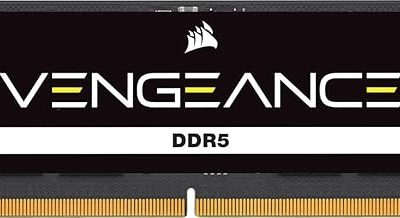
Corsair Vengeance RGB DDR5 32GB
Corsair’s 6000MHz CL36 RGB kit pairs tight-enough timings with a sleek heat spreader and polished lighting. It is a reliable, visually striking upgrade for LGA 1700 and AM5 systems that blends performance with strong aesthetics.
Lexar Thor Z RGB DDR5 32GB
Running at 6000MHz CL38 with support for both XMP 3.0 and EXPO, the Thor Z offers competitive bandwidth for gaming and AI workloads. Its aggressive heat spreader and RGB lighting make it a standout for showcase builds where thermal headroom matters.
Corsair Vengeance RGB RS DDR5 16GB
This compact 16GB kit at 6000MHz CL36 supports both AMD EXPO and Intel XMP, making it a flexible, budget-friendly entry into high-speed DDR5. It is ideal for first-time builders who want RGB flair without overspending on capacity they may not need yet.
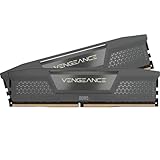
Corsair Vengeance DDR5 16GB (CMK)
The non-RGB Vengeance 16GB kit delivers the same 6000MHz CL36 performance as its RGB sibling at a lower price. It is the practical pick for builders who prioritize pure performance, low clearance, and value over lighting.
Frequently Asked Questions
Is DDR5 worth it over DDR4 for gaming?
If you are building new on AM5 or a 700-series Intel board, DDR5 is the clear forward-looking choice with higher bandwidth ceiling. If you already have a capable DDR4 platform, the gaming difference in most titles is smaller than the upgrade cost would suggest.
Does DDR5 latency matter more than frequency?
Both matter, but the ratio is what counts. DDR5-6000 CL36 is a well-balanced target where frequency gains outpace latency penalties. Going below 5200MHz or above CL40 often narrows the real-world advantage over tuned DDR4.
Will DDR4 work in a DDR5 motherboard?
No. DDR4 and DDR5 have different key notches and pin layouts, so they are physically and electrically incompatible. A motherboard supports one standard or the other, never both.
Do I need 32GB of RAM for gaming?
16GB is still adequate for most current titles, but 32GB provides headroom for heavily modded games, background apps, and upcoming releases. If your budget allows, 32GB is the safer long-term investment.
Final Thoughts
For builders committing to DDR5, the G.SKILL Flare X5 32GB kit at 6000MT/s CL36 is the top overall pick thanks to its EXPO optimization and balanced timings. The Corsair Vengeance RGB DDR5 32GB is the best choice for builders who want strong performance with premium aesthetics, while the non-RGB Corsair Vengeance 16GB kit is the value leader for budget-conscious DDR5 newcomers.