Key takeaways
- Cooling Type: Decide between air cooling (simpler, fewer failure points, lower cost) and liquid AIO cooling (better thermal headroom, cleaner aesthetics, ideal for high-TDP CPUs like the Core i9).
- Clearance and Compatibility: Verify socket compatibility (AM5, LGA 1700, LGA 1851) and check case clearance for radiator height or air cooler dimensions before purchasing.
- Acoustic Profile: Look for PWM fans with wide RPM ranges so the cooler can stay silent at idle and ramp only under sustained load, and prioritize larger radiators or twin-tower designs that move more air at lower RPMs.
- Prebuilt vs. Custom: If you want cooling handled for you, choose a prebuilt system that already includes liquid cooling, multiple ARGB intake and exhaust fans, and a case with proper airflow channels.
- Future-Proofing: Consider a cooler or chassis with thermal headroom beyond your current CPU TDP, as next-generation processors and GPUs will only run hotter and demand more from your cooling solution.
Modern gaming PCs generate serious heat, and managing that thermal output has become one of the most critical decisions for any builder or buyer in 2026. With high-wattage graphics cards like the RTX 5070 and RTX 5060 pushing chassis temperatures to new limits, even a well-ventilated case can struggle to keep components running at peak boost clocks. Whether you are experiencing thermal throttling, fan noise that drowns out gameplay, or just want to protect your investment over years of heavy use, getting your cooling strategy right matters as much as the GPU you choose.
Our top picks
 CyberPowerPC Gaming PC
- Product Group: Personal Computer
- Binding: Personal Computers


As an Amazon Associate we earn from qualifying purchases at no extra cost to you. Ratings are shown as listed on Amazon.
This guide covers everything you need to know about cooling your gaming PC in 2026, from prebuilt systems that ship with thoughtfully engineered thermal packages to aftermarket CPU coolers that can drop your processor temperatures by double digits. We have selected a range of options spanning budget air coolers, liquid AIOs, and fully configured desktops that handle heat dissipation right out of the box, so you can find the right solution regardless of your budget or build experience.
🛒 Best Price Today on Amazon
Prime members get fast, free shipping on everything above, plus member-only deals. New members get a 30-day free trial — cancel anytime.
Watch: How to Cool Your Gaming PC (2026 Guide) — Video Review
How to Choose a How to Cool Your Gaming PC (2026 Guide)
- Cooling Type: Decide between air cooling (simpler, fewer failure points, lower cost) and liquid AIO cooling (better thermal headroom, cleaner aesthetics, ideal for high-TDP CPUs like the Core i9).
- Clearance and Compatibility: Verify socket compatibility (AM5, LGA 1700, LGA 1851) and check case clearance for radiator height or air cooler dimensions before purchasing.
- Acoustic Profile: Look for PWM fans with wide RPM ranges so the cooler can stay silent at idle and ramp only under sustained load, and prioritize larger radiators or twin-tower designs that move more air at lower RPMs.
- Prebuilt vs. Custom: If you want cooling handled for you, choose a prebuilt system that already includes liquid cooling, multiple ARGB intake and exhaust fans, and a case with proper airflow channels.
- Future-Proofing: Consider a cooler or chassis with thermal headroom beyond your current CPU TDP, as next-generation processors and GPUs will only run hotter and demand more from your cooling solution.
The Best How to Cool Your Gaming PC (2026 Guide)s Reviewed
CyberPowerPC Gamer Xtreme (i5-14400F, RTX 5060)
This prebuilt pairs a thermally efficient 14th-gen Intel CPU with the RTX 5060 in a chassis designed with front intake ventilation and balanced fan placement. It is a solid choice for 1080p and 1440p gamers who want capable cooling without needing to modify or upgrade the stock configuration.
Ryzen 5 Liquid-Cooled Gaming Tower (GTX 1050)
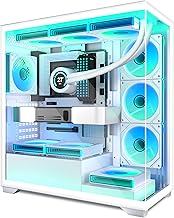
Despite its entry-level GPU, this system stands out for including a liquid cooler and seven ARGB fans, giving it far better airflow and thermal headroom than most budget desktops. It is an affordable way to get a fully cooled, aesthetically complete system if you prioritize chassis thermals over raw GPU horsepower.
Thermalright Peerless Assassin 120 Vision MAX
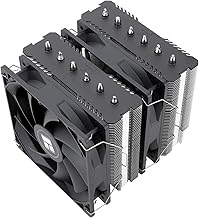
A twin-tower air cooler with an integrated 5-inch IPS display, the Peerless Assassin 120 Vision MAX combines class-leading thermal dissipation with a unique visual element for showcase builds. Its broad socket support and 2150 RPM fans make it one of the best value air coolers on the market for both Intel and AMD platforms.
Thermalright Frozen Notte 120 AIO
This 120mm liquid cooler offers a clean, compact AIO solution for tighter cases where a 240mm or 360mm radiator will not fit, with PWM fans reaching 2000 RPM for responsive thermal management. It is ideal for mid-range builds where you want liquid cooling aesthetics and reliable temperatures without the bulk.
Horizon Autherium Dragon RGB (i9, RTX 5070 OC)
This flagship prebuilt pairs a Core i9 running up to 5.4 GHz with an RTX 5070 OC and a 360mm AIO liquid cooler, delivering the kind of thermal management a system of this caliber demands. With 64GB of RAM, 5TB of storage, and 2.4GB/s WiFi, it represents a complete, no-compromise solution for enthusiasts who want top-tier cooling and performance handled professionally.
Frequently Asked Questions
Is liquid cooling better than air cooling for a gaming PC?
Liquid AIO coolers generally offer better thermal performance for high-TDP processors and look cleaner, but high-end air coolers like the Peerless Assassin can match or beat smaller AIOs while having fewer failure points and lower cost. Your choice should depend on your CPU, case clearance, and aesthetic preferences.
How many case fans do I need for good airflow?
A minimum of three fans (two front intake, one rear exhaust) provides baseline airflow, but configurations with five to seven fans allow for optimal intake and exhaust balancing. The key is creating a clear front-to-back airflow path rather than simply maximizing fan count.
Will better cooling improve my gaming performance?
Yes, if your CPU or GPU is thermal throttling under load, better cooling allows the chip to sustain higher boost clocks for longer, directly improving frame rates and consistency. If your temperatures are already within safe ranges, the performance gains will be minimal.
Do prebuilt gaming PCs have adequate cooling?
It varies significantly by model and manufacturer, so look for prebuilts that specifically include liquid CPU cooling, multiple case fans, and cases with mesh front panels or ample ventilation. Systems like the Horizon Autherium Dragon and the Ryzen 5 liquid-cooled tower are examples of prebuilts that take thermal design seriously.
Final Thoughts
For most builders seeking maximum value and reliability, the Thermalright Peerless Assassin 120 Vision MAX remains the standout air cooler, while the Thermalright Frozen Notte 120 AIO is the top pick for compact liquid cooling. If you prefer a fully configured solution, the Horizon Autherium Dragon RGB with its 360mm AIO is the prebuilt that best demonstrates how proper cooling and high-end components should work together.