Key takeaways
- Your Primary Connection Protocol: Decide whether you prioritize ultra-low latency or broad controller versatility. Proprietary 2.4GHz direct protocols (like official or third-party Xbox receivers) deliver sub-8ms response times, while Bluetooth adapters offer wider compatibility across multiple device types at slightly higher latency (12ms–18ms).
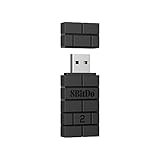
- Controller Ecosystem Support: Identify the exact controllers you intend to sync. A dedicated Xbox clone like the Smlau XB2 or Cipon Wireless Adapter is engineered specifically for Xbox One and Series X/S controllers via XInput, whereas multi-format receivers like the 8BitDo Wireless USB Adapter 2 can cross-pair PlayStation DualSense, Nintendo Switch Pro, and Xbox controllers across PC, Mac, and console environments.
- Physical USB Port Geography: Inspect your PC case’s I/O panel. If your open USB ports are tightly clustered on a rear motherboard plate or recessed behind a front desk panel, adapter width and heat dissipation become strict physical constraints.
Building a clean, cable-free desk setup is one of the most rewarding upgrades you can make to your gaming environment. However, nothing ruins an immersive session faster than erratic input latency, dropped button presses, or a bulky USB dongle that physically blocks your neighboring motherboard ports. When researching how to choose a wireless adapter for pc gamepad setups, many gamers fall into predictable traps. The most common mistake is buying a standard USB Wi-Fi network card—such as a TP-Link AC600—assuming “wireless” covers all peripherals, only to find it cannot communicate with a Bluetooth or 2.4GHz controller radio at all.
Other buyers grab the cheapest generic Bluetooth 4.0 dongle they can find, suffering through 30-millisecond input delays, or purchase a wide dedicated receiver that obstructs adjacent USB ports and GPU ventilation. Understanding how to choose a wireless adapter for pc gamepad integration requires looking beyond simple brand recognition. You need to evaluate signal protocols, physical shell dimensions, thermal management, and physical desk positioning to ensure low-latency performance that feels indistinguishable from a wired connection.
Our top picks
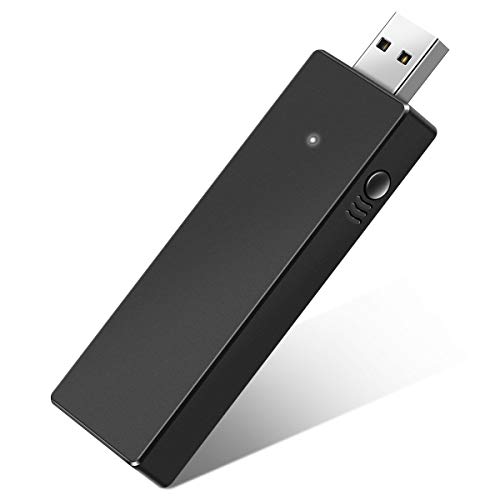 Cipon Wireless Adapter Compatible with Xbox One
- Product Group: Personal Computer
- Binding: Electronics


As an Amazon Associate we earn from qualifying purchases at no extra cost to you. Ratings are shown as listed on Amazon.
Decide These 3 Things First
Before comparing casing materials or shell finishes, narrow your options by deciding on three fundamental setup parameters:
- Your Primary Connection Protocol: Decide whether you prioritize ultra-low latency or broad controller versatility. Proprietary 2.4GHz direct protocols (like official or third-party Xbox receivers) deliver sub-8ms response times, while Bluetooth adapters offer wider compatibility across multiple device types at slightly higher latency (12ms–18ms).
- Controller Ecosystem Support: Identify the exact controllers you intend to sync. A dedicated Xbox clone like the Smlau XB2 or Cipon Wireless Adapter is engineered specifically for Xbox One and Series X/S controllers via XInput, whereas multi-format receivers like the 8BitDo Wireless USB Adapter 2 can cross-pair PlayStation DualSense, Nintendo Switch Pro, and Xbox controllers across PC, Mac, and console environments.
- Physical USB Port Geography: Inspect your PC case’s I/O panel. If your open USB ports are tightly clustered on a rear motherboard plate or recessed behind a front desk panel, adapter width and heat dissipation become strict physical constraints.
Physical Dimensions and Desk Port Ergonomics
From an ergonomic desk-design perspective, a wireless adapter’s physical form factor dictates whether your I/O panel remains functional or turns into a cramped nightmare. Standard USB-A ports are spaced on motherboard backplates with a center-to-center pitch of roughly 11mm to 13mm. An adapter body wider than 17mm (0.67 inches) will overhang and block the adjacent USB slot.
Budget and mid-range adapters generally fall into two structural categories:
- Micro-Dongles: Measuring roughly 0.75 x 0.55 x 0.25 inches (19 x 14 x 6 mm) and weighing under 0.3 ounces (8 grams). These sit nearly flush against the chassis, making them ideal for laptops or front-panel desk ports where accidental bumps could snap a longer connector.
- Extended Stick Adapters: Measuring 2.0 to 2.8 inches long (50 to 72 mm), 0.7 to 0.9 inches wide (18 to 23 mm), and weighing 0.5 to 0.8 ounces (14 to 22 grams). Examples include Xbox-style receivers like the Cipon or Smlau XB2 models. While their larger bodies house larger internal trace antennas for superior wall penetration, their 18mm+ width often requires a short USB extension cable to prevent port occlusion.
Construction, Shell Materials, and Heat Dissipation
A wireless adapter is an active electronic component that operates continuously while your PC is powered. Cheap housings rely on thin 0.8mm ABS plastic that cracks under mild torque when removing the device. Premium adapters use 1.5mm to 1.8mm thick polycarbonate (PC) or high-impact ABS blends that withstand 1,500+ insertion cycles.
Thermal management inside the adapter housing directly impacts signal stability. The internal system-on-a-chip (SoC) generates internal operating temperatures between 38°C and 52°C (100°F to 125°F). Higher-end housings incorporate micro-ventilation slots or internal silicone thermal pads resting against the copper ground plane. Without adequate heat dissipation, the radio frequency (RF) chip can experience thermal throttling, causing sudden packet loss, momentary stick drift, or complete controller disconnections during extended gaming sessions.
Pay attention to connector plating as well. Gold-plated USB connectors offer superior oxidation resistance in humid ambient environments, maintaining steady electrical continuity, whereas cheap nickel-plated plugs can develop micro-corrosion over several years, leading to power supply fluctuations to the radio IC.
Signal Protocol, Latency, and Polling Performance
Evaluating raw wireless performance comes down to understanding latency, polling rate, and frequency band interference:
- Proprietary 2.4GHz Direct RF: Operates on dedicated wireless bands with customized transmission protocols. These deliver polling rates between 125Hz and 250Hz with real-world latency ranging from 4ms to 8ms. This makes them the gold standard for fast-paced action titles and competitive gaming.
- Bluetooth 5.0 to 5.3: Universal compatibility with a standard 125Hz polling rate. Typical input latency sits between 12ms and 18ms. While imperceptible in casual RPGs or cozy simulation games, competitive players may notice slight input delay.
Desk materials also play a critical role in signal propagation. Solid hardwood desks attenuate 2.4GHz radio signals by approximately 2 to 4 dB, while steel desk frames, aluminum monitor arms, and tempered glass tops can degrade signal strength by up to 12 dB if the adapter is plugged into the back of a metal PC tower underneath the desk.
Multi-Device Capacity and Cross-Platform Versatility
When selecting a wireless adapter for PC gamepad use in 2026, consider how many controllers you need to connect simultaneously and across what operating systems:
- Single-Device Adapters: Compact cross-platform bridges like the 8BitDo Adapter 2 focus on translating one controller’s signal at a time with extreme precision. They allow you to use a PS5 DualSense or Switch Pro controller on a PC or Switch dock with full button-remapping software.
- Multi-Controller Hubs: Dedicated Xbox-architecture receivers (such as the Cipon or Smlau XB2) leverage wider frequency hopping channels to link up to 4 controllers simultaneously with stereo chat audio, or up to 8 controllers without audio streams, using a single USB port.
Ensure the adapter supports native XInput mapping on Windows 10 and 11. Adapters that rely solely on older DirectInput protocols require third-party remapping software, which adds artificial software latency and creates potential conflicts with modern game launchers.
Price Tiers and Value Architecture
Understanding what your money buys prevents overspending on features you don’t need or underbuying on signal stability:
- Budget Tier ($12–$18): Includes dedicated single-protocol receivers (e.g., Cipon at $17.99, Smlau XB2 at $17.99) and compact Bluetooth dongles. These provide reliable, no-frills XInput connectivity for dedicated PC setups, though housings are lightweight plastic and lack extended firmware customization tools.
- Mid-Range Tier ($19–$30): Includes advanced cross-platform adapters (e.g., 8BitDo Adapter 2 at $15.99–$22) offering companion desktop software, custom button mapping, macro configuration, adjustable stick/trigger deadzones, and onboard memory profiles.
- Premium Tier ($31–$45+): Includes official multi-controller brand adapters packaged with dedicated USB extension cradles, heavy gold-plated shielding, and high-gain internal antennas designed for long-range living room PC setups (up to 30 feet).
Warranty, Firmware Support, and Driver Architecture
Modern operating systems update frequently, and a receiver that works out of the box today can suffer driver mismatch issues after a major OS build update. Look for manufacturers that provide dedicated, downloadable firmware update utilities.
Standard budget receivers usually come with a 12-month manufacturer warranty. Mid-range and premium brands often back their products with 24-month coverage and active customer support channels. Plug-and-play driver support (where Windows automatically loads native human interface device drivers without requiring manual `.inf` file installation) is essential for a frustration-free setup.
Placement Accessories and Cable Extension Strategy
Plugging a 2.4GHz receiver directly into a rear USB 3.0 port on your motherboard is the leading cause of poor wireless performance. USB 3.0 ports generate broadband electrical noise in the 2.4GHz to 2.5GHz spectrum, which degrades nearby wireless receiver sensitivity within a 2-inch radius.
To ensure flawless performance, pair your adapter with a 3-foot to 6-foot USB 2.0 extension cable. Elevating the adapter onto your desk surface achieves three major goals: it clears metal PC chassis shielding, moves the receiver away from USB 3.0 port radiation, and establishes an unobstructed line-of-sight path within 2 to 3 feet of your controller.
Spec Checklist
| Specification / Feature | Budget Tier ($12–$18) | Mid-Range Tier ($19–$30) | Premium Tier ($31+) |
|---|---|---|---|
| Protocol Tech | 2.4GHz Clone / BT 4.0 | BT 5.0–5.3 / Enhanced 2.4GHz | Proprietary Low-Latency 2.4GHz |
| Input Latency | 15ms – 25ms | 8ms – 14ms | 4ms – 8ms |
| Max Connections | 1 to 4 Controllers | 1 Controller (Multi-Profile) | Up to 8 Controllers |
| Housing Material | 1.0mm Standard ABS | 1.5mm Polycarbonate / ABS | 1.8mm Polycarbonate + Vents |
| Dimensions (LxWxH) | 2.5 x 0.8 x 0.4 in | 2.2 x 0.9 x 0.3 in | 3.0 x 1.0 x 0.5 in |
| USB Connector | Nickel-Plated USB-A | Gold/Nickel Hybrid USB-A | Gold-Plated USB-A |
| Software Support | Basic Plug & Play | Remapping / Macro App | Native OS Integration App |
| Warranty | 6 to 12 Months | 12 to 24 Months | 24 Months |
Red Flags
- Confusing Wi-Fi Network Cards with Gamepad Receivers: Avoid product listings like the TP-Link AC600 when searching for controller connectivity. Wi-Fi cards connect your PC to local wireless internet networks; they cannot pair with Xbox, PlayStation, or Nintendo gamepads.
- Oversized Bodies Without Included Extensions: If an adapter is wider than 18mm and does not include a short USB extension dock or cable, it will physically block adjacent USB ports on standard motherboard backplates.
- Lack of Native XInput Driver Support: Avoid adapters that rely exclusively on legacy DirectInput mode or require unverified third-party software drivers, as modern PC games will fail to recognize controller button layouts automatically.
- Unshielded Housings Susceptible to USB 3.0 EMI: Cheaper dongles lacking internal grounding foil will drop connections whenever high-speed USB 3.0 flash drives or external hard drives are active on neighboring ports.
FAQ
Can I use a regular Wi-Fi USB adapter for my PC gamepad?
No. Wi-Fi USB adapters (such as a TP-Link AC600) are engineered exclusively to connect your PC to 802.11 a/b/g/n/ac/ax network routers for internet access. They lack the Bluetooth stack or proprietary 2.4GHz gamepad protocols needed to communicate with wireless gamepads.
What is the difference between Bluetooth and 2.4GHz wireless adapters for gamepads?
Bluetooth adapters offer broad compatibility across multiple device types (gamepads, headphones, mice) with universal pairing, but typically run at higher input latency (12ms–18ms). Dedicated 2.4GHz adapters use proprietary direct communication channels to deliver ultra-low latency (4ms–8ms), higher polling rates, and support for integrated headset audio, though they usually only work with specific controller families.
Why does my wireless gamepad lag or disconnect when plugged into the back of my PC?
Plugging an adapter directly into a rear motherboard USB port places it near metal PC case shielding and active USB 3.0 ports, which emit 2.4GHz electromagnetic interference. Using a 3-foot to 6-foot USB extension cable to position the adapter directly on your desk eliminates signal interference and establishes a clear line of sight to your controller.
How many controllers can I connect to a single wireless adapter?
It depends on the adapter type. Universal cross-platform adapters like the 8BitDo Wireless USB Adapter 2 pair with one controller at a time to maintain dedicated custom mapping profiles. Dedicated Xbox-architecture receivers (like the Cipon or Smlau XB2) can pair up to 8 controllers simultaneously for local multiplayer gaming.